Glucophage
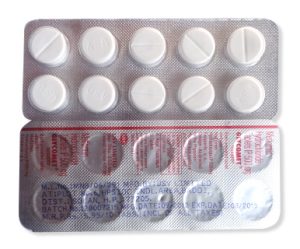
In brief
- Glucophage (metformin) can be purchased from many pharmacies and online pharmacies in some regions, and it is typically a prescription-only medicine; however, in some pharmacies it may be available without a prescription depending on local rules and dispensing practices.
- Glucophage is used to treat type 2 diabetes mellitus and is also used off-label for PCOS and metabolic syndrome. It is a biguanide that lowers blood glucose mainly by reducing liver glucose production and improving insulin sensitivity.
- The usual dose for type 2 diabetes is 500 mg once or twice daily at first, with gradual increases to a typical maintenance dose of 1500–2000 mg per day; the maximum is usually up to 2550 mg per day for immediate-release tablets. For XR forms, common doses are 500–1000 mg once daily, adjusted by response and tolerance.
- Glucophage is taken by mouth as an oral tablet, including immediate-release and extended-release (XR) tablets.
- It usually begins working within a few days, but noticeable improvement in blood sugar control may take 1 to 2 weeks, with the full effect often seen after dose titration over several weeks.
- The duration of action is about 12 hours for immediate-release tablets and around 24 hours for extended-release formulations.
- Alcohol should be avoided or strictly limited, because alcohol can increase the risk of serious side effects such as lactic acidosis, especially in people with kidney, liver, or dehydration problems.
- The most common side effects are gastrointestinal, especially diarrhea, nausea, vomiting, abdominal pain, gas, and decreased appetite; a metallic taste can also occur.
- Would you like to try Glucophage without a prescription?
Basic Glucophage Information
- INN (International Nonproprietary Name): Metformin
- Brand Names Available In United States: Glucophage (discontinued), generic metformin
- ATC Code: A10BA02
- Forms & Dosages: Standard tablets 500 mg, 850 mg, 1000 mg; extended-release tablets 500 mg, 750 mg, 1000 mg
- Manufacturers In United States: Multiple generic manufacturers; original Glucophage brand by Merck Sante is discontinued
- Registration Status In United States: Glucophage is discontinued as a brand, but generic metformin is FDA approved
- OTC / Rx Classification: Prescription (Rx) only in almost all countries
Everyday Use And Best Practices
Wondering when Glucophage fits best into a busy day?
For most people, metformin is taken as a steady daily routine, not a “take it only when you remember” medicine.
It is an oral prescription medicine, and the usual tablets are available in 500 mg, 850 mg, and 1000 mg strengths, while Glucophage XR comes as 500 mg, 750 mg, and 1000 mg extended-release tablets.
Many patients do better taking metformin with food, especially during the first few weeks, because that often helps with stomach upset.
How to fit metformin into your day:
- Take it exactly as the prescriber directed.
- Choose a morning routine if your dose is once daily and breakfast is part of your schedule.
- Choose an evening routine if your clinician has you taking it with dinner or at bedtime.
- Take standard metformin tablets or metformin XR consistently at the same times each day.
- Use food when stomach symptoms are an issue.
- Keep taking it long term unless your clinician changes the plan.
For someone who forgets morning pills, dinner can be the easier anchor.
For someone who eats lightly at night, breakfast may be the better fit.
The key is consistency, since daily dosing works best when the medicine becomes part of an ordinary routine.
Safety Priorities
What makes Glucophage safe for one person can make it the wrong choice for another.
That is why metformin hydrochloride safety starts with kidney function, acid-base status, and overall health.
Do not use if you have:
- eGFR below 30 mL/min/1.73m².
- Metabolic acidosis, including diabetic ketoacidosis.
- Hypersensitivity to metformin.
- Acute or chronic metabolic acidosis.
Use caution if you have:
- Hepatic impairment.
- Older age with multiple medical conditions.
- Low-oxygen situations such as heart failure, sepsis, or a recent myocardial infarction.
- A planned procedure with iodinated contrast, which may require temporary withdrawal.
Lactic acidosis is the rare but serious concern that clinicians watch for most closely.
If someone feels dehydrated, has severe vomiting or diarrhea, or feels very unwell, it is safer to contact a clinician before taking the next dose.
In everyday life, that also means being careful with driving, exercise, or long trips when severe stomach symptoms or weakness are present.
Dosage And Adjustments
People often ask whether the dose starts high or low, and the answer is usually low and gradual.
For type 2 diabetes, Glucophage dosing usually begins at 500 mg once or twice daily, then rises step by step as tolerated.
Depending on the formulation and the patient’s response, daily totals often reach 2000 to 2550 mg.
For PCOS, the common off-label range is 500 to 1500 mg per day, with 2000 mg per day listed as the usual maximum.
Typical dosing comparisons:
| Use | Starting Dose | Usual Range | Maximum |
|---|---|---|---|
| Type 2 Diabetes | 500 mg once or twice daily | 1500 to 2000 mg/day | 2550 mg/day for immediate-release |
| PCOS | 500 mg once daily | 1000 to 1500 mg/day | 2000 mg/day |
| Children Age 10 And Older | 500 mg once or twice daily | Up to 2000 mg/day | 2000 mg/day |
| Renal Impairment | Lower starting dose may be used | Close monitoring at eGFR 30 to 45 | Avoid if eGFR is below 30 |
Children age 10 and older may use metformin under prescriber guidance, but it is not used in younger children without specific direction.
In older adults, dose reduction matters because kidney function can decline even when a person feels well.
Missed-dose advice is simple: take it when remembered unless the next dose is close, and never double up.
User Testimonials
What do people usually like about Glucophage in real life?
What tends to get in the way of staying on it?
What patients like:
- Simple oral dosing.
- Better day-to-day blood sugar control when taken consistently.
- Convenience compared with injectable diabetes treatments.
What patients struggle with:
- Diarrhea.
- Nausea.
- Abdominal pain.
- Metallic taste.
Those GI side effects often improve when the dose is increased gradually or when the medicine is taken with food.
In pharmacy counseling, that is usually the point where adherence improves as well, because the patient knows the first week is often the hardest.
Buying Guide
Trying to buy metformin online safely starts with the pharmacy source, not the price tag.
In the U.S., Glucophage is the discontinued brand, while generic metformin is the approved option most people receive.
Prescription-only products should come from licensed pharmacies that verify the prescription requirement and list the exact formulation, including whether it is standard-release or XR.
Packaging commonly comes in bottles or blister packs, with counts such as 30, 60, 100, or 500 tablets.
In our online pharmacy, glucophage is available without a prescription, with discreet delivery to United States in 5-14 days.
Quick price and product checks:
| Product | Form | Packaging | Buying Tip |
|---|---|---|---|
| Glucophage | Immediate-release tablets | 30, 60, 100, or 500 count | Check whether the listing is original or discontinued brand |
| Glucophage XR | Extended-release tablets | Bottles or blister packs | Confirm XR before ordering |
| Generic metformin | Immediate-release or XR | Varies by manufacturer | Compare pharmacy pricing and formulation |
Generic metformin usually offers the most practical value, while brand-name availability depends on market and supply.
What Is Inside And How It Works
What exactly is in Glucophage, and why does it help?
Ingredient and classification points:
- Active ingredient: metformin.
- International name: metformin.
- Also called metformin hydrochloride or metformin HCl.
- ATC code: A10BA02.
- Drug class: biguanide.
- Dosage form: oral tablet only.
There is no injectable, cream, or vial version of Glucophage.
Its basic job is practical rather than flashy: it helps the body use insulin more effectively and lowers the amount of glucose made by the liver.
That is why it remains one of the most familiar diabetes medicine options in everyday practice.
Patients usually do not feel it “working” in a dramatic way, but clinicians often look for steadier glucose readings and better long-term control.
Main Indications
Why do prescribers reach for metformin first so often?
Because it has a long track record, is taken by mouth, and fits the needs of many adults with type 2 diabetes.
Common uses at a glance:
| Condition | Typical Dose | Status |
|---|---|---|
| Type 2 Diabetes Mellitus | Start at 500 mg once or twice daily | Approved |
| Polycystic Ovary Syndrome | 500 to 1500 mg/day | Off-label |
| Metabolic Syndrome | Individualized | Off-label adjunct |
For type 2 diabetes, the goal is blood sugar control.
For PCOS, the goal is different and more symptom-focused, often supporting metabolic and hormone-related care under a clinician’s guidance.
PCOS patients often search for metformin for PCOS because they want a familiar oral option, especially when lifestyle changes alone are not enough.
That said, off-label use should always be tied to a specific treatment plan and follow-up.
Interaction Warnings
What should patients avoid mixing with metformin?
Most interaction concerns are practical, not mysterious.
Food and drink cautions:
- Food usually helps reduce stomach upset.
- Alcohol deserves caution because it may raise risk in susceptible patients.
- Skipping meals can make some people feel worse if nausea is already present.
Medication and procedure warnings:
- Iodinated contrast studies may require temporary withdrawal.
- Dehydrating illnesses can make side effects harder to tolerate.
- Medicines that add stress to kidney function deserve careful review.
Always tell the clinician and pharmacist about prescriptions, over-the-counter drugs, and supplements before starting Glucophage.
That simple step helps prevent avoidable metformin interactions and keeps medication safety in focus.
Latest Evidence And Insights
What matters most in current practice is not hype, but safe, routine use.
Metformin remains a widely used WHO essential medicine and a common first-line choice for type 2 diabetes.
Today’s emphasis is on renal safety, gradual dose titration, and managing GI tolerance early rather than waiting for problems to build up.
Current best-use points:
- Start low and increase gradually.
- Take with food when stomach upset is a problem.
- Monitor renal function in older adults and in people with comorbidities.
- Pause and ask for guidance before procedures involving iodinated contrast.
- Watch for symptoms that could signal intolerance or serious illness.
That kind of practical monitoring is what keeps metformin evidence useful in real life.
In day-to-day pharmacy counseling, renal monitoring and dose review are the details that most often protect patients.
Alternative Choices
What happens when metformin is not the best fit?
A clinician may choose another oral diabetes medicine if GI side effects, kidney concerns, or treatment goals call for something different.
Common alternatives and combinations:
| Option | Drug Class | Typical Use |
|---|---|---|
| Sitagliptin | DPP-4 inhibitor | Oral diabetes treatment |
| Canagliflozin | SGLT2 inhibitor | Oral diabetes treatment |
| Glimepiride | Sulfonylurea | Oral diabetes treatment |
| Gliclazide | Sulfonylurea | Oral diabetes treatment |
| Pioglitazone | Thiazolidinedione | Oral diabetes treatment |
| Dapagliflozin | SGLT2 inhibitor | Oral diabetes treatment |
| Empagliflozin | SGLT2 inhibitor | Oral diabetes treatment |
| Metformin plus Saxagliptin | Combination product | Two-drug approach |
| Metformin plus Sitagliptin | Combination product | Two-drug approach |
Phenformin and buformin are historical biguanides, but they are not commonly used because of safety problems.
Janumet and Kombiglyze are examples of combination products that may be considered when one medicine alone is not enough.
Regulation Snapshot
Where does Glucophage stand around the world?
In the United States, the brand is discontinued, but generic metformin is FDA approved.
In the EU and EMA framework, multiple metformin brands are authorized as prescription medicines.
In Romania, Glucophage and generic metformin are fully authorized through ANMDMR, and local records can be checked in the public database.
The product is Rx only in almost all countries.
Regional status overview:
| Region | Brand Name | Registration Status |
|---|---|---|
| United States | Glucophage, generic metformin | Brand discontinued; generics FDA approved |
| European Union | Glucophage, Stagid, other brands | Authorized prescription medicines |
| Romania | Glucophage, Metformin Zentiva | ANMDMR authorized |
| Australia | Diabex, Glucophage | Prescription medicine |
Common Questions About Glucophage
When should I take Glucophage?
Take it at the time your prescriber tells you, often with a meal, and keep the timing consistent each day.
Can I take it with food?
Yes, and many people do, because food often reduces stomach upset.
What if I miss a dose?
Take it when remembered unless the next dose is close, and do not double up.
Is metformin used for PCOS?
Yes, it is used off-label for PCOS, commonly in the 500 to 1500 mg/day range.
What side effects are common?
Diarrhea, nausea, abdominal pain, vomiting, flatulence, decreased appetite, and metallic taste are the common complaints.
When is emergency care needed?
Urgent care is needed for suspected overdose, severe weakness, trouble breathing, or signs of lactic acidosis.
Overdose can be dangerous and may cause life-threatening lactic acidosis, so emergency evaluation matters quickly.
Proper Use Guidelines
What does safe long-term use look like once the prescription is filled?
Good storage habits, steady adherence, and routine monitoring make a real difference.
Storage, travel, and adherence checklist:
- Store tablets at 25°C (77°F) when possible.
- Allow short excursions between 15 and 30°C (59 and 86°F).
- Protect from moisture and excessive heat.
- Keep tablets in the original container during travel when possible.
- Use the medicine consistently for long-term diabetes treatment if the clinician says to continue.
- Review kidney function at least annually when appropriate.
- Follow prescribing instructions exactly.
- Do not split or alter tablets unless the specific tablet type allows it and a clinician or pharmacist confirms it is safe.
Glucophage is oral only, so tablets should be handled as tablets, not crushed or treated like a liquid unless the product instructions clearly allow it.
That final detail is especially important for metformin XR, because extended-release tablets are designed to release medicine slowly.
Delivery Across United States
| City | Region | Delivery time |
|---|---|---|
| New York City | Northeast | 5-7 days |
| Los Angeles | West | 5-7 days |
| Chicago | Midwest | 5-7 days |
| Houston | South | 5-7 days |
| Phoenix | West | 5-7 days |
| Philadelphia | Northeast | 5-7 days |
| San Antonio | South | 5-7 days |
| San Diego | West | 5-7 days |
| Dallas | South | 5-7 days |
| San Jose | West | 5-7 days |
| Austin | South | 5-7 days |
| Jacksonville | South | 5-9 days |
| Columbus | Midwest | 5-9 days |
| Fort Worth | South | 5-9 days |
| Charlotte | South | 5-9 days |