Norfloxacin
In brief
- Norfloxacin can be purchased from international pharmacies, hospital suppliers, and many online e-pharmacies (commonly as 400 mg tablets). It is classified as a prescription-only medicine in most countries, though in some regions and from some vendors it may be possible to obtain it without a prescription.
- Norfloxacin is an antibiotic used for urinary tract infections, bacterial prostatitis, certain gastrointestinal infections (e.g., shigellosis), and as an alternative option for gonorrhea in selected cases. It is a fluoroquinolone that acts by inhibiting bacterial DNA gyrase and topoisomerase IV, blocking bacterial DNA replication and cell division.
- The usual adult dosage is 400 mg twice daily for most indications (e.g., uncomplicated and complicated UTIs). Alternative regimens include a single 800 mg dose in some gonorrhea cases and extended courses (e.g., 4–6 weeks) for chronic prostatitis; dosage should be reduced in significant renal impairment (e.g., creatinine clearance <30 mL/min: 400 mg once daily).
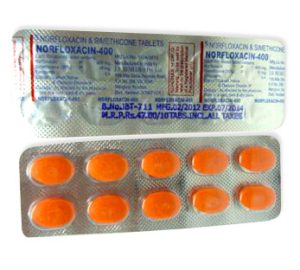
- The primary form of administration is oral film-coated tablets (400 mg). In some markets eye drops (0.3%) and rare oral suspensions are available, but tablets are the most common form.
- Onset time: Norfloxacin is absorbed with peak blood levels typically in about 1–2 hours; symptomatic improvement for many infections is often seen within 24–48 hours.
- Duration of action: The elimination half-life is roughly 3–4 hours, with clinical effect lasting approximately 12 hours (supporting twice-daily dosing); total treatment duration depends on the infection (e.g., 3–7 days for uncomplicated UTI, 4–6 weeks for chronic prostatitis).
- Alcohol warning: Avoid alcohol while taking norfloxacin, as alcohol can increase gastrointestinal upset, dizziness, and other CNS side effects and may impair recovery.
- The most common side effec is nausea.
- Would you like to try norfloxacin without a prescription?
Basic Norfloxacin Information
- INN (International Nonproprietary Name): Norfloxacin
- Brand Names Available In United States: Noroxin was the historic US brand but was discontinued/withdrawn (as of ~2014); no active US brand is currently marketed.
- ATC Code: J01MA06 (Norfloxacin, fluoroquinolone antibacterial for systemic use).
- Forms & Dosages: Tablets 400 mg film-coated (most common); oral suspension and 0.3% eye drops exist in select markets but are not widely available everywhere.
- Manufacturers In United States: Not specified.
- Registration Status In United States: Discontinued (Noroxin formerly available; withdrawn ~2014).
- OTC / Rx Classification: Prescription-only medicine (Rx) in nearly all jurisdictions; sale without a valid prescription is prohibited in most countries.
Read your prescription label before you take any dose of norfloxacin.
Norfloxacin is prescription-only in most countries and not available in the US market as Noroxin (see Regulation Snapshot below).
Keep medication in its original packaging and transport it in that packaging when possible.
Store at room temperature between 15°C and 30°C and protect the tablets from excessive moisture and light.
If you develop tendon pain, severe diarrhea, signs of hypersensitivity, or new central nervous system symptoms, stop and contact medical help immediately.
Do not self-prescribe norfloxacin; discuss alternatives with your clinician because EMA and FDA recommendations favor restricting fluoroquinolones when safer options exist.
Plan dosing around meals and carry a wallet card listing norfloxacin and key contraindications such as pregnancy, children/adolescents, history of tendon disorders, and myasthenia gravis.
Use this quick warning checklist before you start: confirm the prescription, review renal function, review current medicines for QT risk, confirm pregnancy/lactation status, and remember age under 18 is generally contraindicated.
Everyday Use & Best Practices
Morning Vs Evening Dosing
Are you wondering when to take your doses for the best effect?
For most adult indications the common regimen is norfloxacin 400 mg twice daily, given in the morning and the evening for uncomplicated and complicated urinary tract infections.
Some regimens use 400 mg once daily for prophylaxis or when renal impairment requires adjustment.
If creatinine clearance is below 30 mL/min, the dose is reduced to 400 mg once daily.
Choose consistent times such as 8 AM and 8 PM to help adherence.
If you miss a dose take it as soon as you remember unless it is close to the next dose, and do not double up.
For prostatitis courses that last 4–6 weeks set phone reminders and plan periodic renal and liver labs per your prescriber.
Taking With Or Without Meals
Do you need to eat before taking norfloxacin?
Norfloxacin absorption is best on an empty stomach so take it 1–2 hours before or 2 hours after meals where possible.
Dairy products, calcium, iron, zinc, and antacids bind fluoroquinolones and can reduce absorption if taken too close to dosing.
If nausea occurs a light snack may help, but keep consistent spacing from supplements and antacids.
- Dosing Checklist: Norfloxacin 400 mg, take on empty stomach when possible, avoid dairy/antacids/iron within 1–2 hours, set twice-daily alarms, do not double missed doses.
| Empty-Stomach Guidance | With-Food Guidance |
|---|---|
| Take 1–2 hours before meals for optimal absorption. | If nausea prevents empty-stomach dosing take with a light snack but keep 2-hour spacing from dairy and antacids. |
| Avoid multivalent cations near the dose (calcium, iron, zinc). | Expect reduced absorption if taken with milk or calcium-fortified foods; keep consistent timing. |
Safety Priorities
Who Should Avoid It
Who must not take norfloxacin?
Do not use norfloxacin if you have known hypersensitivity to norfloxacin or other fluoroquinolones.
Pregnant and breastfeeding women should not take norfloxacin because of fetal and infant cartilage risk.
Children and adolescents under 18 are generally contraindicated due to cartilage and joint toxicity except in exceptional specialist cases.
Do not use it if you have a history of tendon disorders related to quinolones.
Use caution or avoid norfloxacin if you have myasthenia gravis, significant renal impairment without dose adjustment, known prolonged QT interval, a history of seizures, severe hepatic dysfunction without specialist advice, or G6PD deficiency.
Bring up prior tendon problems or psychiatric side effects from previous antibiotic courses before starting therapy.
Activities To Limit
What should you avoid while taking norfloxacin?
Limit intense physical activity during treatment and for several weeks afterward if you experience tendon pain since fluoroquinolones carry a risk of tendinitis and tendon rupture.
Avoid prolonged sun exposure and tanning beds because of photosensitivity risk and use broad-spectrum sunscreen and protective clothing.
Avoid driving or operating heavy machinery if you feel dizzy, lightheaded, or have CNS symptoms such as insomnia or anxiety.
- Contraindication Checklist: Known quinolone allergy, pregnancy/breastfeeding, age <18, prior quinolone tendon disorder.
- Activity Limitation Checklist: Pause strenuous exercise if tendon pain occurs, protect from sun, avoid driving if dizzy.
Dosage & Adjustments
General Regimen
How long and how often is norfloxacin taken for common infections?
For uncomplicated urinary tract infection the typical adult dose is 400 mg twice daily for 3–7 days.
For complicated UTI the usual dose is 400 mg twice daily for 7–10 days.
For bacterial prostatitis therapy typically runs 400 mg twice daily for 4–6 weeks.
For infectious gastroenteritis or shigellosis selected cases may use 400 mg twice daily for 3–5 days.
Prophylaxis in neutropenic patients can be 400 mg once or twice daily depending on risk.
A single 800 mg dose was historically used for gonorrhea but resistance and limited utility make clinician guidance necessary.
Always follow your prescriber’s directions and finish the prescribed course unless advised otherwise.
Special Cases
Do kidney problems or age change dosing?
In renal impairment with creatinine clearance less than 30 mL/min reduce to 400 mg once daily and monitor for toxicity.
Norfloxacin is generally contraindicated in pediatrics and should not be used routinely in patients under 18 years old.
Elderly patients may receive standard doses but renal function and increased adverse reaction risk must be considered; monitor for CNS and QT effects.
| Indication | Dose | Duration |
|---|---|---|
| Uncomplicated UTI | 400 mg twice daily | 3–7 days |
| Complicated UTI | 400 mg twice daily | 7–10 days |
| Bacterial Prostatitis | 400 mg twice daily | 4–6 weeks |
- Renal Adjustment Checklist: Check creatinine clearance and reduce to 400 mg once daily if <30 mL/min; monitor closely.
User Testimonials
Positive Reports
What do patients say after taking norfloxacin?
Many patients treated for uncomplicated UTI report rapid symptom relief within 24–48 hours on a 400 mg twice-daily course.
Real-world feedback often highlights the simple twice-daily tablet regimen and generally good tolerability for short courses.
Patients with chronic prostatitis sometimes report meaningful improvement after multi-week courses, while noting the need for patience and follow-up.
Practical tips from users include setting alarms for twice-daily dosing, avoiding antacids and iron supplements around each dose, and keeping well hydrated to reduce GI upset.
Common Challenges
What side effects or problems do users commonly report?
Reported downsides include gastrointestinal upset such as nausea and diarrhea, photosensitivity, transient dizziness, and in some cases tendon pain or prolonged fatigue.
Users also note the limited availability in the United States since Noroxin was withdrawn and sometimes needing to source generics from international pharmacies.
Some patients report needing renal monitoring, managing interacting supplements, and frustration when therapy must stop due to side effects.
- Pros: Fast symptom relief for UTI, convenient dosing for short courses.
- Cons: GI upset, photosensitivity, tendon risk, limited US availability.
Buying Guide
Pharmacy Sources
Where can norfloxacin be sourced and what should you check?
Norfloxacin is prescription-only in most jurisdictions and many manufacturers supply 400 mg tablets including EG, Terapia, EMS, Cipla, Sun Pharmaceutical, Ranbaxy, and Dr. Reddy’s.
Regional suppliers include Zentiva, Antibiotice SA, and Sandoz, and many e-pharmacies and hospital suppliers globally stock norfloxacin 400 mg tablets.
Brand names internationally include Noroxin, Norflox, and Nolicin with packaging commonly in blister packs of 400 mg tablets.
In the US market Noroxin was withdrawn, so patients must consult clinicians about alternatives or possible legal international prescription channels.
In our online pharmacy, norfloxacin is available without a prescription, with discreet delivery to United States in 5-14 days.
Price Comparison
How do prices vary and what to verify when buying online?
Prices differ by country, manufacturer, and pack size with generic 400 mg film-coated tablets usually cheapest from major generic manufacturers in India and the EU.
For online purchases verify the pharmacy is licensed, that a legitimate prescription is required, and confirm batch and expiry details.
Tablets do not require cold-chain shipping but confirm storage in transit and that the seller does not ship prescription medicines without a valid prescription.
| Country | Typical Brand | Pack Size | Price Range |
|---|---|---|---|
| India | Norflox, Norilet | 10–14 tablets | Varies by supplier |
| Romania | Norfloxacina Terapia | 10 tablets | Varies by pharmacy |
| Brazil | Norfloxacino EMS | 6–14 tablets | Varies by region |
- Verification Checklist: Confirm pharmacy license, require legitimate Rx, check batch and expiry, avoid sellers that ship Rx meds without prescription.
What’s Inside & How It Works
Ingredients Overview
What does a norfloxacin tablet contain?
The active ingredient in systemically used products is norfloxacin, usually presented as a 400 mg film-coated tablet.
Some markets also offer oral suspensions and ophthalmic 0.3% eye drops, but tablets are most common globally.
Excipients vary by manufacturer so check the product leaflet for dyes, lactose, or other fillers if you have known allergies.
Tablets commonly come in blister packs ranging from 6 to 14 tablets depending on market and manufacturer.
Mechanism Basics
How does norfloxacin kill bacteria?
Norfloxacin is a fluoroquinolone antibacterial that inhibits bacterial DNA gyrase and topoisomerase IV.
These actions prevent DNA replication and lead to bacterial death, making norfloxacin effective mainly against gram-negative organisms common in urinary and some gastrointestinal infections.
Because of rising resistance and safety concerns the clinical role of norfloxacin has narrowed and prescribers should consider local susceptibility patterns before use.
| Active Ingredient | Class | Mechanism | Common Targets |
|---|---|---|---|
| Norfloxacin | Fluoroquinolone (J01MA06) | Inhibits DNA gyrase and topoisomerase IV | Gram-negative urinary pathogens, some GI pathogens |
Main Indications
Approved Uses
What infections is norfloxacin commonly used for?
Systemic norfloxacin is commonly approved for uncomplicated urinary tract infections and complicated UTIs.
It is an option for bacterial prostatitis with prolonged treatment courses and for certain gastrointestinal infections such as shigellosis.
Typical dosing examples include 400 mg twice daily for UTIs and 4–6 weeks for chronic prostatitis.
Product indications vary by country and local registration.
Off-Label Uses
Are there other uses clinicians sometimes consider?
Ophthalmic formulations such as 0.3% eye drops are used in some markets for ocular infections but may be off-label depending on local approvals.
A single 800 mg dose has been reported historically as an alternative for gonorrhea, but resistance limits its current role and any such use should follow susceptibility data and specialist advice.
- Approved Indications: Uncomplicated UTI, complicated UTI, bacterial prostatitis, selected GI infections.
- Off-Label: Ophthalmic uses in select markets, historical single-dose use for gonorrhea (limited by resistance).
Interaction Warnings
Food Interactions
Which foods and supplements reduce norfloxacin absorption?
Avoid dairy products, calcium-fortified foods, iron, zinc, sucralfate, and antacids containing aluminum or magnesium within 1–2 hours of dosing because they can bind norfloxacin and reduce absorption.
Best practice is to take norfloxacin on an empty stomach—1–2 hours before or 2 hours after meals—unless a light snack is needed for nausea.
Maintain consistent spacing relative to meals and supplements to preserve reliable absorption.
Drug Conflicts
Which medicines require extra caution with norfloxacin?
Major interactions include QT-prolonging agents and multivalent cation-containing products such as antacids and iron supplements.
Use caution with NSAIDs because they may increase central nervous system adverse effects when combined with fluoroquinolones.
Consult your prescriber if you are on other QT-prolonging drugs or nephrotoxic agents and make sure renal dosing is checked if needed.
- Drugs To Avoid Within 2 Hours: Antacids (Al/Mg), iron supplements, sucralfate, calcium-containing products.
- Drugs Requiring Clinician Review: QT-prolonging drugs, seizure-risk drugs, concurrent nephrotoxins, NSAIDs.
Latest Evidence & Insights
Safety And Regulatory Trends
How have regulators responded to fluoroquinolone risks?
International agencies have increasingly restricted fluoroquinolone use because of systemic safety signals such as tendinopathy, neuropsychiatric effects, QT prolongation, and rare hepatotoxicity.
Norfloxacin use has decreased globally and Noroxin was withdrawn or discontinued in the US and Canada around 2014.
EMA and FDA guidance generally encourage using fluoroquinolones only when no safer effective alternatives exist and emphasize ongoing pharmacovigilance.
Resistance And Clinical Relevance
Is resistance affecting norfloxacin’s usefulness?
Growing gram-negative resistance has reduced norfloxacin’s empirical role for urinary tract infections in many regions.
Clinicians should review recent local antibiograms before selecting norfloxacin and reserve it for confirmed susceptible isolates or when alternatives are unsuitable.
Ongoing monitoring of resistance trends and guideline updates is advised for prescribers managing UTIs and related infections.
Alternative Choices
Comparable Antibiotics
What other antibiotics are used for similar infections?
Other fluoroquinolones such as ciprofloxacin and levofloxacin offer similar or broader spectrums depending on the infection site, but share class safety considerations.
Non-fluoroquinolone alternatives for uncomplicated lower UTIs include nitrofurantoin and fosfomycin, and trimethoprim-sulfamethoxazole or beta-lactams may be options based on susceptibility.
Choice depends on the infection site, local resistance patterns, allergy history, renal function, and safety considerations.
When To Prefer Alternatives
When should clinicians choose something other than norfloxacin?
Prefer non-fluoroquinolone agents for uncomplicated cystitis when effective to avoid systemic fluoroquinolone risks and reduce selection pressure for resistance.
For patients with contraindications to norfloxacin such as pregnancy, children, or prior tendon issues, select appropriate non-fluoroquinolone therapy and consult infectious disease or urology for complicated cases.
- Alternatives By Indication: Nitrofurantoin or fosfomycin for uncomplicated cystitis; beta-lactams or trimethoprim-sulfamethoxazole when susceptible.
- Decision Checklist: Check pregnancy status, age, allergy history, local susceptibility, and patient comorbidities.
Regulation Snapshot
Where It’s Registered
Which countries still register norfloxacin?
Norfloxacin (INN) is registered in many countries as a prescription-only medicine with brand names including Noroxin, Norflox, and Nolicin and common packaging of 400 mg blister tablets.
In the European Union and Romania it remains registered and in India it is registered through CDSCO with multiple generic manufacturers listed.
Regional suppliers and manufacturers include EG, Terapia, EMS, Cipla, Sun Pharmaceutical, Ranbaxy, Dr. Reddy’s, Zentiva, Antibiotice SA, and Sandoz.
Withdrawals And Restrictions
Has norfloxacin been withdrawn anywhere?
Noroxin was discontinued in the US and Canada and many regulators recommend restricting fluoroquinolones unless necessary due to safety concerns.
The regulatory status can change so always confirm current national agency guidance for approvals and pharmacovigilance requirements.
| Country/Agency | Status | Notes |
|---|---|---|
| European Union (EMA) | Registered (Rx) | Available in select markets |
| Romania (ANMDMR) | Registered (Rx) | Norfloxacina Terapia registered as 400 mg tablets |
| United States/Canada | Discontinued | Noroxin withdrawn (~2014) |
| India (CDSCO) | Registered (Rx) | Multiple generics available |
FAQ Section
Common Patient Questions
Can I take norfloxacin if I’m pregnant?
No, norfloxacin is contraindicated in pregnancy and breastfeeding because of fetal and infant cartilage toxicity concerns.
Is norfloxacin safe for children?
Generally no, it is contraindicated in patients under 18 years except in exceptional specialist cases.
How quickly does it work for a UTI?
Many patients see symptom improvement within 24–48 hours on 400 mg twice-daily regimens for uncomplicated UTI but finish the prescribed course.
Troubleshooting
What should I do for tendon pain or severe diarrhea?
If you develop tendon pain stop the medication and seek urgent medical attention and avoid stressing the affected tendon.
If severe diarrhea or signs of colitis occur consult your clinician immediately and avoid anti-motility agents unless advised.
If you miss a dose take it as soon as you remember unless it is close to the next scheduled dose and do not double-dose.
For overdose or severe reactions seek emergency care right away.
- Yes/No Quick FAQs: Pregnant? No. Under 18? No. Missed dose? Take if not near next dose. Tendon pain? Stop and seek care.
Guidelines For Proper Use
Practical Steps For Patients
What should you do before and during treatment?
Before starting confirm the prescription is legitimate and review all current medications, over-the-counter products, and supplements.
Disclose pregnancy status and age under 18 and request baseline renal function if you are elderly or have kidney disease.
During treatment take 400 mg tablets as prescribed, avoid antacids, dairy, and iron within 1–2 hours, watch for tendon pain and photosensitivity, and maintain hydration.
Carry the medication leaflet and a list of side effects with you while on therapy.
Follow-Up And When To Seek Help
When should you contact your prescriber?
Arrange follow-up if symptoms do not improve in 48–72 hours or sooner if severe side effects occur.
For multi-week regimens such as prostatitis schedule periodic labs and clinical reviews during therapy.
If severe allergic reactions, tendon rupture, severe diarrhea suggesting C. difficile, marked CNS effects, or cardiac symptoms occur stop and seek urgent care.
Report adverse events to your local pharmacovigilance authority as advised by your clinician.
- Daily-Use Checklist: Confirm Rx, check meds and supplements, take at consistent times, avoid interacting products within 1–2 hours, watch for red-flag symptoms.
- Clinician Communication Template: State current meds, allergies, kidney function, pregnancy status, symptoms, and when they started.
Delivery Across United States
| City | Region | Delivery Time |
|---|---|---|
| New York City | New York | 5-7 days |
| Los Angeles | California | 5-7 days |
| Chicago | Illinois | 5-7 days |
| Houston | Texas | 5-7 days |
| Phoenix | Arizona | 5-7 days |
| Philadelphia | Pennsylvania | 5-7 days |
| San Antonio | Texas | 5-7 days |
| San Diego | California | 5-7 days |
| Dallas | Texas | 5-7 days |
| San Jose | California | 5-7 days |
| Austin | Texas | 5-7 days |
| Jacksonville | Florida | 5-9 days |
| Fresno | California | 5-9 days |
| Tulsa | Oklahoma | 5-9 days |