Rulide
In brief
- Available in pharmacies (sold as Rulide by Sanofi or as generic roxithromycin); officially a prescription-only (Rx) medicine in most markets, although in some pharmacies it may be obtainable without a prescription—check local regulations and consult a healthcare professional.
- Rulide (roxithromycin) is a macrolide antibiotic used to treat bacterial respiratory infections (pharyngitis, tonsillitis, bronchitis, pneumonia), skin and soft tissue infections, and non‑gonococcal urethritis; it works by binding the 50S bacterial ribosomal subunit and inhibiting protein synthesis (bacteriostatic).
- Usual adult dose: 150–300 mg every 12 hours or 300 mg once daily depending on the infection; non‑gonococcal urethritis often 300 mg once daily; children typically 5–8 mg/kg/day; typical treatment courses are 5–10 days.
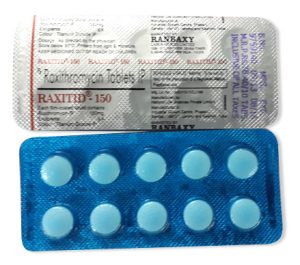
- Administered orally as film‑coated tablets (150 mg, 300 mg), with dispersible tablets and oral suspensions available for some generics.
- Onset: absorbed orally with peak levels in about 1–2 hours; symptomatic improvement is often noticed within 24–48 hours.
- Duration of action: effects persist roughly 12–24 hours (supporting twice‑daily or once‑daily dosing); elimination half‑life is approximately 11–12 hours.
- Alcohol warning: avoid excessive alcohol while taking Rulide—alcohol may worsen gastrointestinal side effects; consult your healthcare provider for personalized advice.
- The most common side effects are gastrointestinal (nausea, vomiting, abdominal pain, diarrhea); headache and mild skin rash are also reported.
- Would you like to try “rulide” without a prescription?
Everyday Use & Best Practices
Basic Rulide Information
- INN (International Nonproprietary Name): Roxithromycin
- Brand Names Available In United States: not specified
- ATC Code: J01FA06
- Forms & Dosages: Film-coated tablets 150 mg and 300 mg; dispersible tablets and oral suspensions available among generics
- Manufacturers In United States: not specified
- Registration Status In United States: not specified
- OTC / Rx Classification: Prescription Only Medicine (Rx)
Practical instructions before you start Rulide (roxithromycin) focus on safety and routine.
Always follow your prescriber’s directions and do not self-prescribe.
Rulide is a prescription-only macrolide antibiotic in the roxithromycin class.
Typical adult regimens include 150–300 mg every 12 hours or 300 mg once daily for some infections.
Most courses run 5–10 days depending on the infection and clinical response.
Storage: keep below 25°C (77°F) in the original packaging and protect from moisture.
Warning: avoid use with known macrolide allergy or severe liver impairment.
- Dosing Anchors
- 150 mg every 12 hours for many respiratory and skin infections.
- 300 mg every 12 hours for more severe infections when prescribed.
- 300 mg once daily option for some indications such as non-gonococcal urethritis.
- Course length commonly 5 to 10 days based on prescriber guidance.
- Missed-Dose Checklist
- Take the missed dose as soon as you remember.
- If it is almost time for the next dose, skip the missed dose.
- Do not double the dose to make up for a missed one.
Morning Vs Evening Dosing
A consistent schedule helps keep drug levels steady and improves adherence.
If prescribed twice daily, pick times roughly 12 hours apart, such as 8 AM and 8 PM.
If prescribed 300 mg once daily, pick a time you can reliably take the tablet each day.
Establishing a link with a daily habit improves on-time dosing, for example with breakfast or before bed.
Taking With Or Without Meals
Roxithromycin may be taken with or without food according to product information.
Taking it with a light meal can reduce the chance of stomach upset for sensitive patients.
Avoid heavy, high-fat meals immediately before dosing if you find they worsen nausea.
Drink a full glass of water with the tablet to aid swallowing and absorption.
Safety Priorities
What should you check before starting Rulide?
- Absolute Contraindications
- Allergy to roxithromycin or other macrolide antibiotics such as azithromycin, clarithromycin, or erythromycin.
- Severe liver impairment.
- Relative Cautions
- History of liver disease or current mild to moderate hepatic dysfunction.
- Known QT prolongation or inherited rhythm disorders.
- Concomitant use with ergot derivatives because of ergotism risk.
Who Should Avoid It
Anyone with a known macrolide allergy should not take roxithromycin.
Patients with severe liver impairment should avoid roxithromycin.
Discuss pregnancy and breastfeeding with your prescriber before starting treatment.
Tell your clinician about all current prescription medicines, over-the-counter drugs, and supplements.
Activities To Limit
Avoid driving or operating heavy machinery if you experience dizziness, severe headache, or visual disturbance while on roxithromycin.
Avoid alcohol if it seems to increase gastrointestinal upset while taking this antibiotic.
Do not use roxithromycin for viral infections such as colds or flu because it will not help and may increase resistance.
| Medication Class | Example Drugs | Reason To Avoid Or Monitor |
|---|---|---|
| Ergot Derivatives | Ergotamine, Dihydroergotamine | Risk of ergotism when combined with macrolides |
| Antiarrhythmics | Sotalol, Amiodarone, Quinidine | QT prolongation risk; monitor ECG if needed |
| Other QT-Prolonging Drugs | Certain antipsychotics and antidepressants | Combined QT effects may increase arrhythmia risk |
- Pre-Start Screening Checklist
- Allergies to macrolide antibiotics.
- Known liver disease or recent abnormal liver tests.
- Current medications that prolong QT or are ergot derivatives.
- Pregnancy or breastfeeding status and relevant clinical considerations.
Dosage & Adjustments
Clear dosing helps patients take Rulide safely and effectively.
Always follow the prescriber’s specific instructions for dose and duration.
General Regimen
Adult dosing commonly ranges from 150 to 300 mg every 12 hours depending on the infection.
Some infections are treated with 300 mg once daily as a convenient alternative.
Typical treatment lengths are five to ten days guided by infection type and clinical response.
| Indication | Usual Adult Dose | Typical Duration |
|---|---|---|
| Community-Acquired Pneumonia | 150–300 mg every 12 hours | 5–10 days |
| Pharyngitis, Tonsillitis, Bronchitis, Skin Infections | 150 mg every 12 hours or 300 mg once daily | 5–10 days |
| Non-Gonococcal Urethritis | 300 mg once daily | 5–10 days or as directed |
Special Cases
Children require weight-based dosing and exact rounding should be clarified with the prescriber.
| Age/Weight Group | Typical Daily Dose |
|---|---|
| Children (weight-based) | Approximately 5–8 mg/kg/day divided or as directed |
| Elderly Adults | No routine dose reduction; monitor hepatic and renal function |
| Severe Hepatic Impairment | Avoid use |
| Severe Renal Impairment | Use usual dose with clinical reassessment and monitoring |
- Hepatic Monitoring Checklist
- Watch for jaundice or persistent abdominal pain.
- Report unexplained fatigue, dark urine, or pale stools to your clinician.
- Consider baseline liver tests in those with pre-existing liver disease.
User Testimonials
Patients often ask what others experienced while taking roxithromycin.
Positive Reports
- Many report symptom relief for bacterial sore throat and bronchitis within 48–72 hours when the infection is bacterial.
- Once-daily 300 mg dosing is praised for convenience and adherence.
- Some users felt skin infection symptoms improved quickly when the organism was macrolide-sensitive.
Common Challenges
- Gastrointestinal side effects are the most common complaints, including nausea and diarrhea.
- Some patients report transient headaches or mild skin rashes.
- Occasionally a switch to a different antibiotic was necessary due to lack of clinical improvement or side effects.
- Pros
- Effective for many respiratory and skin infections when the pathogen is susceptible.
- Convenient dosing options, including once-daily regimens for some conditions.
- Familiar macrolide class with well-known clinical use.
- Cons
- GI upset may reduce tolerability for some patients.
- Not effective for viral infections and should not be used in those cases.
- When To Call Your Provider
- Worsening symptoms or no improvement after 48–72 hours.
- Severe gastrointestinal upset, persistent vomiting, or bloody diarrhea.
- Signs of liver injury such as yellowing of the skin or eyes.
Buying Guide
Where and how to buy Rulide or roxithromycin depends on local availability and regulation.
Pharmacy Sources
Rulide is marketed under Sanofi-Aventis in Australia and as Rulid in several EU countries.
Generics labeled roxithromycin are available in many global markets as tablets, films, or oral suspensions.
In the United States, roxithromycin is less commonly marketed and availability varies by pharmacy and wholesaler.
In our online pharmacy, rulide is available without a prescription, with discreet delivery to United States in 5-14 days.
Price Comparison
Price varies by brand versus generic status, tablet strength, pack size, and pharmacy discounts or insurance coverage.
| Pack | Manufacturer | Common Availability | Approximate Price Range |
|---|---|---|---|
| 150 mg × 10 | Sanofi (Rulide) or generics | Common in Australia and some EU markets | Varies by market and supplier |
| 300 mg × 5 | Sanofi (Rulide) or generics | Common as higher-strength tablet packs | Varies by market and supplier |
| Oral Suspension / Dispersible | Generic suppliers | Available in select markets for pediatrics | Varies by manufacturer |
- Buying Checklist
- Have a valid prescription where required by law.
- Verify Rx-only status in your jurisdiction and pharmacy formulary.
- Check insurance coverage and compare brand versus generic pricing.
- Confirm manufacturer if you prefer brand-name Rulide from Sanofi-Aventis.
What’s Inside & How It Works
Ingredients Overview
The active ingredient in Rulide is roxithromycin, a macrolide antibiotic.
Common formulations include film-coated tablets in 150 mg and 300 mg strengths.
Generics may provide dispersible tablets and oral suspensions for children.
Inactive ingredients differ by manufacturer, so check the package leaflet if you have allergies to excipients.
Mechanism Basics
Roxithromycin binds to the 50S subunit of bacterial ribosomes and inhibits protein synthesis.
This macrolide action prevents bacterial growth and allows the immune system to clear the infection.
Macrolides share similar chemical properties, so cross-reactivity and similar side-effect profiles can occur within the class.
| Feature | Roxithromycin | Notes |
|---|---|---|
| Mechanism | 50S ribosomal subunit binding | Inhibits bacterial protein synthesis |
| Main Formulations | 150 mg and 300 mg tablets; dispersible/generic suspensions | Check local availability |
| Inactive Ingredient Flags | Manufacturer-dependent | Review leaflet for lactose, dyes, or preservatives if allergic |
Main Indications
Roxithromycin is used for several common bacterial infections where macrolides are appropriate.
Approved Uses
| Indication | Typical Dose | Duration |
|---|---|---|
| Pharyngitis / Tonsillitis | 150 mg every 12 hours or 300 mg once daily | 5–10 days |
| Bronchitis / Community-Acquired Pneumonia | 150–300 mg every 12 hours | 5–10 days |
| Skin And Soft Tissue Infections | 150 mg every 12 hours or 300 mg once daily | 5–10 days |
| Non-Gonococcal Urethritis | 300 mg once daily | As directed by prescriber |
Off-Label Uses
Clinicians may occasionally use roxithromycin for other infections when macrolides are reasonable and guided by culture and sensitivity data.
Off-label prescribing should respect local guidelines and resistance patterns.
- Indication-Specific Monitoring Checklist
- Confirm bacterial etiology where possible.
- Monitor clinical response at 48–72 hours.
- Adjust therapy if no improvement or if culture results indicate resistance.
Interaction Warnings
Food Interactions
Roxithromycin can be taken with or without food, and a light meal may reduce gastric upset.
While grapefruit interactions are noted for some macrolides, check with your pharmacist about grapefruit or juice if you take other interacting medicines.
Drug Conflicts
Key drug interactions include ergot derivatives and medications that prolong the QT interval.
Because roxithromycin is primarily hepatically metabolized, check interactions with hepatic enzyme modulators.
| High-Risk Drug Class | Examples | Action |
|---|---|---|
| Ergot Derivatives | Ergotamine | Avoid combination due to ergotism risk |
| QT-Prolonging Agents | Certain antiarrhythmics, antipsychotics | Monitor ECG and consider alternatives |
| Hepatic Enzyme Modulators | Some enzyme inhibitors and inducers | Review side-effect and efficacy impact |
- What To Tell Your Provider
- All prescription and over-the-counter medicines.
- Herbal supplements such as St. John’s wort.
- Current cardiac medications and any history of arrhythmias.
Latest Evidence & Insights
Recent Studies Summary
Roxithromycin continues to be a macrolide option in regions where it is registered, notably Australia and parts of Europe.
Clinical evidence supports its use for common respiratory and skin infections when the pathogen is macrolide-sensitive.
Resistance patterns vary by region and can influence macrolide choice in practice.
Health agencies such as TGA and EMA provide up-to-date approvals and advisories relevant to local prescribing.
Practical Takeaways For Patients
- Do not use antibiotics for viral illnesses like colds or flu.
- Complete the full prescribed course to help prevent resistance.
- Report adverse events such as jaundice or severe gastrointestinal symptoms promptly.
- Follow up if symptoms do not improve within 48–72 hours.
- Top Research Points
- Effectiveness comparable to other macrolides in susceptible infections.
- Local antibiograms are important for guiding macrolide prescribing.
- Ongoing surveillance tracks regional resistance trends.
Alternative Choices
Comparable Antibiotics
Macrolide alternatives include azithromycin, clarithromycin, and erythromycin.
Azithromycin often offers shorter courses and different tissue distribution.
Clarithromycin has a distinct interaction profile and dosing schedule.
Erythromycin is older and more likely to cause gastrointestinal effects for some patients.
When To Choose Alternatives
Select an alternative if there is an allergy to macrolides or known resistance to roxithromycin.
Consider switching when severe hepatic impairment exists, or when side effects make roxithromycin intolerable.
| Drug | Typical Dosing | Pros | Cons |
|---|---|---|---|
| Azithromycin | Varies; shorter-course options common | Convenient dosing, good tolerability | Different resistance profile |
| Clarithromycin | Twice-daily dosing commonly | Effective for many respiratory pathogens | Notable drug interactions |
| Erythromycin | Multiple daily doses | Established track record | Higher GI side-effect potential |
- Prescriber Discussion Checklist
- Allergies and prior macrolide reactions.
- Local resistance data or antibiogram.
- Drug interaction profile and current medicines.
Regulation Snapshot
Approval Status By Region
Rulide is registered and approved by the Australian TGA as Rulide 150 mg and 300 mg.
Sanofi markets Rulid or Rulide in several EU countries, and generics are available in many global markets.
Availability in the United States is limited and varies by registry and pharmacy supply.
| Region | Brand/Status |
|---|---|
| Australia | Rulide 150 mg Aust R 39409; Rulide 300 mg Aust R 42565 (TGA registered) |
| European Union | Rulid marketed in several member states; generics available |
| United States | Availability limited; check national registries and pharmacies |
Prescription & Storage Rules
Roxithromycin is a prescription-only medicine in all markets represented in the product information.
Store below 25°C (77°F), keep in original packaging, and protect from moisture.
- Regulatory Checks
- Consult local agency websites such as TGA, EMA, or national registries for current approvals.
- Confirm pharmacy formulary and manufacturer details before purchase.
- Do not use beyond the expiry date printed on the pack.
FAQ Section
Common Patient Questions
- Can I Take Rulide For A Sore Throat?
- If bacterial pharyngitis is confirmed or strongly suspected and your clinician prescribes roxithromycin, yes.
- Do not take it for viral sore throats or routine colds and flu.
- Is It Safe In Pregnancy?
- Treatment decisions during pregnancy balance infection risk with available safety data and should be discussed with your provider.
- What If I Miss A Dose?
- Take the missed dose as soon as you remember unless it is nearly time for the next dose, and do not double up.
- How Long Until I Feel Better?
- Many patients see improvement in 48–72 hours if the infection is bacterial and the pathogen is susceptible.
- When To Contact Your Clinician
- Worsening symptoms or no improvement within 48–72 hours.
- High fever persisting or new signs of systemic illness.
- Jaundice or persistent abdominal pain suggesting hepatic issues.
- Severe diarrhea or signs of allergic reaction.
Guidelines For Proper Use
Administration Tips
Take the full prescribed course, typically five to ten days, even if you feel better sooner.
For GI comfort, consider taking the tablet with a light meal and stay hydrated.
Double-check the tablet strength before dosing since Rulide tablets come in 150 mg and 300 mg packs.
Use phone reminders or a medication log to maintain adherence.
When To Call Your Provider
Seek immediate care for signs of a severe allergic reaction such as swelling, hives, or breathing difficulty.
Stop the medicine and contact your clinician for jaundice, persistent abdominal pain, or dark urine.
Report severe diarrhea, especially if bloody or prolonged.
Report new palpitations, fainting, or syncope because of possible QT-related effects.
| Common Side Effects | Serious Adverse Events |
|---|---|
| Nausea, vomiting, stomach pain, diarrhea, headache, mild rash | Jaundice, severe abdominal pain, bloody diarrhea, severe allergic reaction, palpitations/fainting |
Delivery Across United States
| City | Region | Delivery Time |
|---|---|---|
| New York | Northeast | 5-7 days |
| Los Angeles | West | 5-7 days |
| Chicago | Midwest | 5-7 days |
| Houston | South | 5-7 days |
| Phoenix | West | 5-7 days |
| Philadelphia | Northeast | 5-7 days |
| San Antonio | South | 5-9 days |
| San Diego | West | 5-7 days |
| Dallas | South | 5-7 days |
| San Jose | West | 5-9 days |
| Austin | South | 5-9 days |
| Jacksonville | South | 5-9 days |
| Fort Worth | South | 5-9 days |
| Columbus | Midwest | 5-9 days |
| Charlotte | South | 5-9 days |