Toficalm
In brief
- In many local and online pharmacies—especially in countries like India and through some e‑pharmacies—toficalm can often be purchased without a prescription; discreet packaging and shipping options are commonly offered (note: officially classified as prescription‑only in many regulated markets).
- Toficalm (tofisopam) is used mainly for anxiety and as an adjunct in certain depressive states and alcohol‑withdrawal management; it is a 2,3‑benzodiazepine derivative with anxiolytic properties distinct from classical 1,4‑benzodiazepines, and its exact mechanism is not fully understood but appears to modulate central neurotransmission with less sedation and muscle relaxation than typical benzodiazepines.
- The usual adult dose is 50–100 mg given 2–3 times daily (start at the lower end in elderly or those with hepatic/renal impairment and adjust as needed).
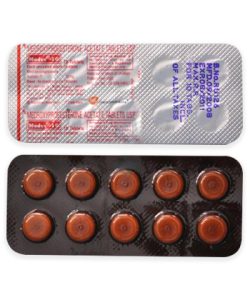
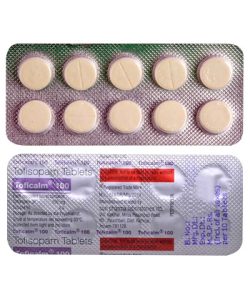
- Administered orally as tablets (commonly 50 mg and 100 mg tablets in blister packs).
- Onset of effect is generally within about 30–60 minutes after an oral dose.
- The duration of action is modest, approximately 4–8 hours, which is why dosing two to three times daily is common.
- Do not consume alcohol while taking toficalm—alcohol and other CNS depressants can worsen sedation and are contraindicated in acute intoxication.
- The most common side effect is drowsiness; other frequent effects include nausea or digestive upset, dry mouth, dizziness, headache, and fatigue.
- Would you like to try toficalm without a prescription?
Basic Toficalm Information
- INN (International Nonproprietary Name): Tofisopam.
- Brand Names Available In United States: Toficalm (India), Tofisign (India), Tofifresh (India), Tofiso (India), TOFIZIN (India), Nextril (India), Tofypeace (India), Emandaxin (Europe), Grandaxin (Europe).
- ATC Code: N05BA23.
- Forms & Dosages: Tablet; strengths 50 mg and 100 mg in blister packs (common packaging 10×10 tablets).
- Manufacturers In United States: Not specified; primary manufacturers and suppliers are based in India (Torrent Pharmaceuticals, Apple Pharmaceuticals, Neuracle Lifesciences, Psychocare Health Pvt. Ltd., A M Overseas) and Europe (Egis, local suppliers).
- Registration Status In United States: Not approved by FDA; investigational only in the US/Canada.
- OTC / Rx Classification: Prescription only (Rx) in regulated markets; local rules vary by country.
Everyday Use & Best Practices
Morning Vs Evening Dosing
Many patients ask whether toficalm works better in the morning or at night.
Typical adult dosing is 50–100 mg taken two to three times daily for anxiety, depression adjunct, or alcohol-withdrawal adjunct, per available product information.
A twice-daily schedule—morning and early evening—often balances daytime symptom control and alertness, and suits many people who need daytime functioning preserved.
A three-times-daily plan may be chosen when anxiety is persistent or when used as an adjunct in alcohol-withdrawal situations.
Because tofisopam is less sedating than classic benzodiazepines like diazepam or alprazolam, some patients tolerate daytime doses without heavy sleepiness.
Avoid late-night doses if you notice drowsiness, and do not drive or operate machinery until you know how it affects you.
- Sample Schedule — Twice Daily: 50 mg at 8 AM, 50 mg at 6 PM.
- Sample Schedule — Three Times Daily: 50 mg at 8 AM, 50 mg at 2 PM, 50 mg at 8 PM.
- Adjustment Example: Start 50 mg once or twice daily, increase to 50–100 mg two to three times daily as needed under clinician supervision.
- Quick-Check Checklist For Alertness: Do you feel unusually sleepy the day after dosing?
- Quick-Check Checklist For Alertness: Can you perform routine tasks (work, driving) safely after the morning dose?
- Quick-Check Checklist For Alertness: If not, discuss evening timing or dose reduction with your prescriber.
Taking With Or Without Meals
Toficalm tablets may be taken with or without food according to product labeling.
If you experience nausea or digestive upset, taking the tablet with a light meal or snack can reduce discomfort.
Keep tablets in their original blister until use and store them below 25°C (77°F) to preserve potency during storage and transport.
Avoid alcohol and other CNS depressants around dosing times because of interaction risks and contraindications in acute intoxication.
Consult the specific product leaflet for excipient information and any manufacturer notes that could affect absorption or tolerability.
Safety Priorities
Who Should Avoid It
Certain people should not take tofisopam due to safety concerns listed in product information.
Absolute contraindications include known hypersensitivity to tofisopam, severe respiratory insufficiency, sleep apnea syndrome, acute intoxication with alcohol or other CNS depressants, and severe hepatic impairment.
Relative contraindications that require close monitoring include existing psychiatric illness (possible paradoxical reactions), mild-to-moderate hepatic or renal impairment, history of substance abuse, and frailty in elderly patients.
In the United States, clinicians must exercise caution because tofisopam is not FDA-approved and its prescribing is investigational; monitoring and documentation are particularly important.
Always tell your prescriber about past reactions to benzodiazepines such as alprazolam or diazepam and about current sedating medications like lorazepam.
Activities To Limit
Do not drive, operate heavy machinery, or perform hazardous tasks until you know how tofisopam affects you.
Mixing tofisopam with alcohol or other sedatives increases the risk of excessive sedation and respiratory depression and is contraindicated in acute intoxication.
Abrupt dose changes or sudden cessation after longer courses can increase dependence and withdrawal risk; taper gradually under clinician guidance.
| Do | Don’t |
|---|---|
| Report all medicines, alcohol use, and medical history to your clinician. | Mix tofisopam with alcohol, opioids, or sedating antihistamines without approval. |
| Monitor daytime alertness and balance, especially if elderly. | Drive or operate heavy machinery until you know how it affects you. |
| Follow prescribed tapering schedules to stop treatment. | Stop long-term treatment abruptly without clinician review. |
- Contraindications Checklist: Hypersensitivity, severe respiratory disease, sleep apnea, severe liver failure, acute alcohol intoxication.
Dosage & Adjustments
General Regimen
Standard adult dosing ranges from 50–100 mg taken two to three times daily for anxiety, adjunctive depression therapy, or alcohol-withdrawal adjunctive use.
Treatment for anxiety or adjustment disorders is typically short-term—commonly 2–6 weeks—with regular reassessment to reduce dependence risk.
Clinicians usually start at the lower end, for example 50 mg once or twice daily, and titrate according to symptom response and tolerability.
Missed-dose guidance is take as soon as remembered unless it is close to the next scheduled dose; do not double the dose to catch up.
Signs of overdose include severe drowsiness, confusion, and respiratory depression—seek emergency care immediately if these occur.
Special Cases
Elderly patients should start with the lowest effective dose and titrate slowly because of increased sensitivity and fall risk.
For patients with liver or kidney impairment, dose reduction is likely necessary and monitoring of labs and clinical signs is recommended.
Children: safety and efficacy are not established, and use is generally not recommended for pediatric patients.
| Condition | Typical Dose | Frequency |
|---|---|---|
| Anxiety | 50–100 mg | 2–3 times daily |
| Depression (Adjunct) | 50–100 mg | 2–3 times daily |
| Alcohol Withdrawal (Adjunct) | 50–100 mg | 2–3 times daily |
- Dose Adjustment Checklist: Start low in elderly, reduce with hepatic/renal impairment, do not double missed doses.
User Testimonials (Patient-Centered)
Positive Reports
Many patients describe meaningful reductions in subjective anxiety without the heavy sedation typical of classic 1,4-benzodiazepines.
Reports often note improved daytime functioning, clearer thinking, and fewer coordination issues compared with drugs such as diazepam or alprazolam.
Patients who need anxiolysis but must stay active at work or care for children sometimes prefer tofisopam’s lighter sedative profile.
Common Challenges
Frequent side effects reported include mild drowsiness, nausea or dry mouth, dizziness, and headache—side effects listed in product information.
Other common concerns are cost and access, since brands like Toficalm are widely marketed in India but are investigational in the US.
Dependence remains a possibility with prolonged use, so patients are encouraged to track symptoms and discuss any concerns with their prescriber.
- What Patients Say — Benefits: Less sedation, preserved cognition, improved daytime focus.
- What Patients Say — Issues: Mild drowsiness, digestive upset, access/cost issues, long-term dependence concerns.
- Bring-To-Appointment Checklist: Symptom diary, side effect timeline, current medication list, alcohol and substance use history.
Buying Guide
Pharmacy Sources
Toficalm and other tofisopam brands are widely marketed in India and in parts of Europe under names such as Grandaxin and Emandaxin.
In the US and Canada tofisopam is not approved by the FDA or Health Canada and is considered investigational; lawful access may be limited to clinical trials or special importation schemes.
Always purchase from licensed pharmacies and verify manufacturer and batch information before buying.
In our online pharmacy, toficalm is available without a prescription, with discreet delivery to United States in 5-14 days.
Price Comparison
Price varies by brand, dose (50 mg vs 100 mg), pack size, and seller reputation.
Common pack sizes are 10×10 tablets; compare unit price per tablet, shipping costs, and compliance with local regulations.
Avoid unverified online sellers and any product lacking batch number, manufacturer name, and expiry date.
| Brand | Country | Common Pack | Typical Availability |
|---|---|---|---|
| Toficalm | India | 10×10 tablets | Widely available in India |
| Tofisign | India | 10×10 strips | Usually available in India |
| Grandaxin | Europe | Local packaging | Available in parts of Europe |
- Safe Online Buying Checklist: Confirm licensed pharmacy, check manufacturer (Torrent Pharmaceuticals, Egis), verify batch/expiry, ask for invoice and shipping tracking.
What’s Inside & How It Works
Ingredients Overview
The active ingredient is tofisopam, an INN-classified 2,3-benzodiazepine derivative that is pharmacologically distinct from classical 1,4-benzodiazepines.
Formulations are sold as 50 mg and 100 mg tablets in blister packs, with manufacturers that include Torrent, Egis, Apple Pharma, Neuracle, and others depending on the market.
Excipients differ by manufacturer; consult the local product leaflet for a full ingredient list if you have allergies or sensitivities.
Mechanism Basics
Tofisopam’s anxiolytic profile differs from classic benzodiazepines; it provides anxiolysis with less sedation, myorelaxation, and cognitive impairment than drugs such as diazepam.
It is classified under ATC code N05BA23 among anxiolytics.
Despite its lighter sedative effects, dependence can still occur with prolonged use, so treatment duration should be limited and monitored.
| Drug | Main Effect | Sedation | Dependence Risk |
|---|---|---|---|
| Tofisopam | Anxiolytic | Lower | Present |
| Diazepam (Valium) | Anxiolytic, Muscle Relaxant | High | High |
| Buspirone | Anxiolytic (Non-Benzo) | Minimal | Low |
Main Indications
Approved Uses
Tofisopam is approved in countries such as India and parts of Europe for anxiety disorders and short-term treatment of adjustment-related anxiety.
In those markets it is prescription-only and typically used for short-term courses of 2–6 weeks for anxiety.
In some countries clinical practice includes adjunctive use in depression under clinician supervision.
Off-Label Uses
Off-label uses reported in product literature and clinical practice include adjunctive therapy in depression and as part of alcohol-withdrawal management.
Because regulatory approval and local practice vary, off-label prescribing should be supported by documented rationale and close monitoring.
- Approved Indications: Anxiety disorders, short-term adjustment-related anxiety.
- Off-Label Indications: Depression adjunct, alcohol-withdrawal adjunct.
- Questions To Ask Your Provider: Why is tofisopam chosen over other approved options, how long will I take it, and what monitoring is planned?
Interaction Warnings
Food Interactions
No major food interactions are documented in available product information, and tofisopam may be taken with or without meals.
If GI upset occurs, take the tablet with food to reduce nausea.
Alcohol is an absolute contraindication in cases of acute intoxication and should otherwise be avoided while taking tofisopam because it potentiates CNS effects.
Drug Conflicts
The major interaction concern is additive CNS depression when tofisopam is combined with opioids, benzodiazepines, sedating antihistamines, or certain antipsychotics.
Patients on multiple hepatic-metabolized drugs should be monitored and dose adjustments considered in hepatic impairment.
| Drug Class | Risk | Suggested Action |
|---|---|---|
| Benzodiazepines (e.g., Alprazolam, Lorazepam) | Increased sedation, respiratory depression | Avoid combined use or monitor closely |
| Opioids | Severe respiratory depression risk | Avoid or use extreme caution |
| Sedating Antihistamines | Increased drowsiness | Consider alternatives |
- Drugs To Avoid Checklist: Opioids, other benzodiazepines, sedating antipsychotics, strong CYP-interacting drugs when hepatic impairment exists.
Latest Evidence & Insights
Key Studies Summary
Clinical literature and product monographs describe tofisopam as an anxiolytic with reduced sedative and muscle-relaxant properties compared with classical 1,4-benzodiazepines.
Evidence supports short-term efficacy for anxiety and adjunctive benefits in depression, with some use in alcohol-withdrawal protocols.
Many trials and reports originate from Europe and Asia; regulatory approval reflects geographic variability with India and parts of Europe approving the drug and the US/Canada not approving it.
Practical Takeaways
Clinicians may consider tofisopam for patients who require anxiolysis without heavy sedation and where approved or available.
Because dependence is possible and regulatory status differs by country, use short-term courses, document clear clinical rationale, and monitor outcomes closely.
- Evidence Strength Summary: Positive short-term anxiety data; geographic variability in trial size and availability.
- Clinician Checklist: Confirm indication, baseline liver/renal assessment when indicated, schedule early follow-up, and document benefit before continuing beyond a short course.
Alternative Choices
Non-Drug Options
First-line and adjunct strategies for anxiety include cognitive behavioral therapy (CBT), mindfulness-based stress reduction, sleep hygiene, regular exercise, and structured relaxation techniques.
These approaches reduce reliance on pharmacotherapy and are preferable for long-term management of anxiety disorders.
Med Alternatives
Medication alternatives include classic benzodiazepines such as diazepam (Valium), alprazolam (Xanax), and lorazepam (Ativan), which are more sedating and carry known dependence risks.
Non-benzodiazepine options like buspirone offer anxiolysis with minimal sedation and lower dependence risk but have different onset and effect profiles.
| Option | Onset | Sedation | Dependence Risk |
|---|---|---|---|
| Tofisopam | Short-term anxiolytic | Low | Present |
| Alprazolam (Xanax) | Rapid | High | High |
| Buspirone | Slower (days) | Minimal | Low |
- Decision Checklist: Is sedation acceptable, what is the dependence risk profile, and are non-drug treatments feasible as first-line therapy?
Regulation Snapshot
Global Approval Status
Tofisopam is approved and widely available in India under brands like Toficalm, Tofiso, and others.
It is also approved in parts of Europe under names such as Grandaxin and Emandaxin.
The United States and Canada have not approved tofisopam; in these countries availability is investigational only and importation must follow local regulatory pathways.
Prescription Rules (US Focus)
In the United States clinicians cannot prescribe an unapproved drug for routine outpatient use except under specific investigational, clinical trial, or expanded-access frameworks.
Patients should verify legal status before attempting to import or purchase and should avoid unregulated imports that bypass local safety checks.
Report adverse events according to local pharmacovigilance rules and document clinical justification when participating in investigational use.
- Regulatory Map: Approved in India and parts of Europe; investigational in US/Canada.
- Actions Checklist: Confirm approval status, consider clinical trial enrollment, and consult your clinician before importing.
Quick Q&A
Quick Q&A
Q: Is Toficalm the same as tofisopam?
A: Yes—Toficalm is a brand name; the active INN is tofisopam.
Q: Can I buy it in the US?
A: Not routinely; tofisopam is not FDA-approved in the United States—access is generally limited to clinical trials or special import pathways.
Q: Will it make me sleepy?
A: Tofisopam is less sedating than classical benzodiazepines, but drowsiness can still occur in some people.
When To Call Your Clinician
Contact your clinician if you experience severe drowsiness, breathing problems, confusion, signs of dependence or withdrawal, allergic reactions, or significant mood changes.
Also call if side effects persist beyond a few days or if you need dose changes because of kidney or liver problems.
- When To Seek Help Checklist: Severe drowsiness, respiratory difficulty, cognitive confusion, mood worsening, or sudden withdrawal symptoms.
Guidelines For Proper Use
Starting & Stopping
Begin at the lowest effective dose and titrate slowly; typical adult dosing is 50–100 mg taken two to three times daily as needed for anxiety and adjunctive uses.
Limit duration where possible—2–6 weeks for many anxiety uses—and plan discontinuation with a gradual taper rather than abrupt cessation to reduce withdrawal risk.
Document the clinical rationale for starting and stopping tofisopam in the medical record when used under clinician supervision.
Monitoring And Follow-Up
Baseline assessment should include medical history, substance use history, and liver/renal function tests if clinically indicated.
Follow-up within 1–2 weeks after initiation is recommended, with ongoing reassessment depending on response and side effects.
Monitor for efficacy using symptom scales when feasible, daytime functioning, adverse effects, and any signs of misuse or dependence.
Store tablets below 25°C in the original blister and keep them out of reach of children.
- Baseline Workup Checklist: Medical history, medication list, liver/renal assessment if indicated, substance-use screen.
- Follow-Up Schedule: 1–2 week check after start, then periodic reviews every 2–4 weeks during continuation.
- Example Taper Template For Clinicians: Reduce dose by 25% every 1–2 weeks depending on duration of use and withdrawal symptoms, with slower taper for long-term users.
Delivery Across United States
| City | Region | Delivery Time |
|---|---|---|
| New York | Northeast | 5-7 days |
| Los Angeles | West | 5-7 days |
| Chicago | Midwest | 5-7 days |
| Houston | South | 5-7 days |
| Phoenix | West | 5-7 days |
| Philadelphia | Northeast | 5-7 days |
| San Antonio | South | 5-9 days |
| San Diego | West | 5-7 days |
| Dallas | South | 5-7 days |
| San Jose | West | 5-7 days |
| Austin | South | 5-9 days |
| Jacksonville | South | 5-9 days |
| Columbus | Midwest | 5-9 days |
| Charlotte | South | 5-9 days |
| Fort Worth | South | 5-9 days |