
Birth Control
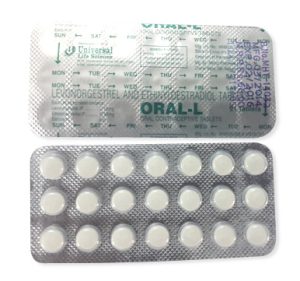
Alesse
from
Desogen
from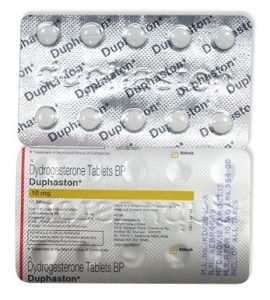
Duphaston
from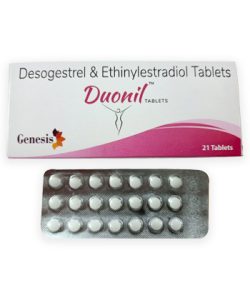
Mircette
from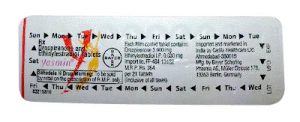
Yasmin
fromUnderstanding Birth Control Options
Birth control, also known as contraception, refers to methods and devices used to prevent pregnancy. There are many different types of birth control available in the United States, each with varying levels of effectiveness, convenience, and side effects. Understanding your options is the first step in choosing the right method for your lifestyle and health needs.
Birth control works in several ways depending on the type. Some methods prevent sperm from reaching an egg, while others prevent the release of an egg or change the uterine lining to prevent implantation. The effectiveness of birth control varies widely, ranging from about 71% to 99% depending on the method chosen and how consistently it is used.
When selecting a birth control method, consider factors such as your health history, frequency of sexual activity, desire for reversibility, and protection against sexually transmitted infections. It is important to discuss your options with a healthcare provider to determine which method is best suited for your individual circumstances.
Hormonal Birth Control Pills
Oral contraceptives, commonly called birth control pills, are among the most popular forms of contraception in the United States. These pills contain hormones that prevent ovulation, making pregnancy unlikely. Birth control pills are taken daily and must be used consistently to maintain their effectiveness.
There are two main types of oral contraceptives: combination pills and progestin-only pills. Combination pills contain both estrogen and progestin, while progestin-only pills contain only progestin. Common combination pill brands available in the United States include Yasmin, Ortho-Cyclen, Levora, and Norgestimate. Progestin-only pills, sometimes called the mini-pill, include brands such as Nora-BE and Micronor.
Birth control pills offer several benefits beyond pregnancy prevention, including reduced menstrual cramps, lighter periods, and improved acne. However, they do not protect against sexually transmitted infections and may cause side effects such as nausea, headaches, or breast tenderness in some users. Additionally, certain health conditions and medications may make birth control pills unsuitable for some individuals.
Long-Acting Reversible Contraception
Long-acting reversible contraception methods, often abbreviated as LARC, provide extended pregnancy prevention with minimal user maintenance. These methods are among the most effective forms of birth control available and include intrauterine devices and implants.
Intrauterine Devices
Intrauterine devices, or IUDs, are small T-shaped devices inserted into the uterus by a healthcare provider. There are two types available in the United States: hormonal IUDs and copper IUDs. Hormonal IUDs, such as Mirena, Kyleena, and Skyla, release small amounts of progestin and can prevent pregnancy for three to seven years. Copper IUDs, such as Paragard, create an environment toxic to sperm and can last up to twelve years.
Implants
Implants are another form of LARC available in the United States. The most common brand is Nexplanon, a small plastic rod about the size of a matchstick that is inserted under the skin of the upper arm. It releases progestin and provides pregnancy prevention for up to three years. Both IUDs and implants have effectiveness rates exceeding 99% and can be removed at any time if you decide to become pregnant. However, insertion and removal must be performed by a healthcare professional.
Barrier Methods and Emergency Contraception
Barrier Methods
Barrier methods are types of birth control that physically prevent sperm from reaching an egg. These methods include condoms, diaphragms, cervical caps, and spermicide. Barrier methods are often used in combination with other contraceptive methods to provide additional protection against sexually transmitted infections.
Male condoms are the most widely available barrier method and can be purchased without a prescription at most pharmacies. They are made from latex, polyurethane, or lambskin and are rolled onto an erect penis before sexual intercourse. Female condoms are also available and are inserted into the vagina before sexual activity. Condoms have an effectiveness rate of about 85% when used typically, though this increases to 98% with perfect use.
Emergency Contraception
Emergency contraception provides a way to prevent pregnancy after unprotected sexual intercourse or contraceptive failure. Plan B One-Step and its generic equivalents are available over-the-counter at most pharmacies without age restrictions. These pills contain levonorgestrel and are most effective when taken within 72 hours of unprotected intercourse, though they may work up to 120 hours. Ella, another emergency contraception option, requires a prescription and may be more effective than levonorgestrel pills, particularly between 72 and 120 hours after intercourse.
Non-Hormonal and Natural Methods
Some individuals prefer birth control methods that do not involve hormones or devices. Natural methods of birth control include fertility awareness methods, the rhythm method, and withdrawal. These methods work by either avoiding intercourse during fertile days or preventing sperm from entering the reproductive tract.
The fertility awareness method, also called the symptom thermal method, involves tracking menstrual cycles and body signs such as basal body temperature and cervical mucus to identify fertile days. During these fertile days, couples either abstain from intercourse or use barrier methods. When used perfectly, this method can be up to 99.6% effective, but typical use effectiveness is around 76% because it requires careful attention and record-keeping.
Spermicides are chemical substances that immobilize or kill sperm and are available in various forms including foams, gels, creams, and vaginal films. They are typically used in combination with barrier methods rather than alone. The copper IUD also serves as a non-hormonal contraceptive option, as mentioned previously. While these methods appeal to those avoiding hormones, they generally have lower effectiveness rates compared to hormonal or LARC methods.
Choosing and Using Birth Control Safely
Selecting the right birth control method is a personal decision that should involve consultation with a healthcare provider. Your doctor can help assess your medical history, current medications, lifestyle, and reproductive goals to recommend the most appropriate option for you. Some birth control methods may not be suitable for individuals with certain health conditions or those taking specific medications.
Proper use and consistency are crucial for birth control effectiveness. For pills and other daily methods, it is important to use them exactly as directed. Setting phone reminders or using a pill organizer can help ensure you do not miss doses. For barrier methods, checking expiration dates and using them correctly every time significantly improves their effectiveness.
It is important to understand that most birth control methods do not protect against sexually transmitted infections. The only method that provides protection against STIs is the male condom. If you are at risk for STIs, using condoms in combination with another birth control method is recommended. Regular checkups with your healthcare provider can help ensure your chosen birth control method continues to meet your needs and that you are using it correctly and safely.
Key Considerations for Birth Control Use
- Discuss your medical history and current medications with your healthcare provider before starting any birth control method
- Choose a method that fits your lifestyle and reproductive goals for better compliance and effectiveness
- Use your selected birth control method exactly as directed, every single time, for maximum effectiveness
- Remember that most birth control methods do not protect against sexually transmitted infections
- Consider using condoms in combination with other birth control methods for dual protection
- Schedule regular checkups with your healthcare provider to monitor your birth control method and overall reproductive health
- Keep track of refill dates and prescription expirations to ensure uninterrupted protection