
Hair Loss
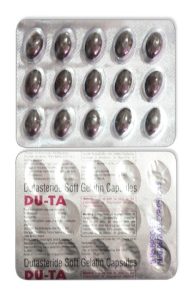
Avodart
from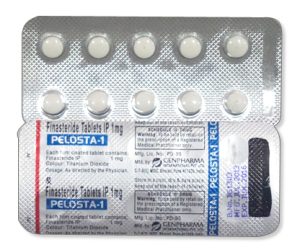
Finasteride
from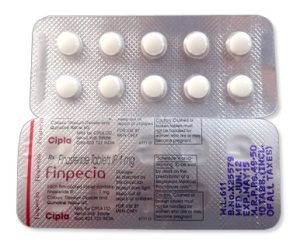
Finpecia
from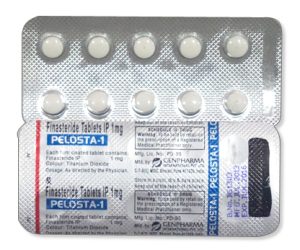
Propecia
from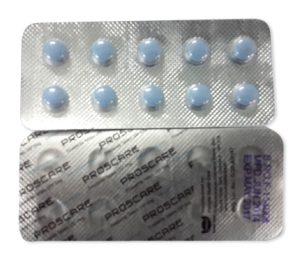
Proscar
from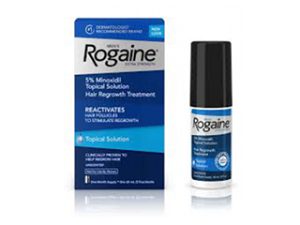
Rogaine
fromUnderstanding Hair Loss: Causes and Types
Hair loss, medically known as alopecia, affects millions of Americans each year. Understanding the root causes of hair loss is essential for selecting the right treatment approach. Hair loss can occur due to genetics, hormonal changes, stress, nutritional deficiencies, medical conditions, or certain medications.
Androgenetic Alopecia is the most common form, accounting for the majority of hair loss cases in both men and women. This type is primarily driven by genetics and the sensitivity of hair follicles to DHT, a hormone derived from testosterone. Telogen Effluvium is temporary hair loss triggered by significant stress, illness, surgery, or major life changes. In this condition, hair follicles prematurely enter the shedding phase.
Alopecia Areata is an autoimmune disorder where the body’s immune system attacks hair follicles, resulting in patchy hair loss on the scalp, beard, or other body areas. Other types include traction alopecia from tight hairstyles, anagen effluvium from chemotherapy, and scarring alopecia from skin conditions or injuries.
Topical Hair Loss Treatments
Topical treatments are applied directly to the scalp and are among the most accessible options for managing hair loss. These medications work by improving blood flow to hair follicles or blocking DHT production at the local level.
Minoxidil Solutions
Minoxidil, commonly known by the brand name Rogaine, is an FDA-approved topical solution available in various strengths. It is available over-the-counter in 2% and 5% concentrations. Minoxidil works by extending the growth phase of the hair cycle and increasing blood flow to the scalp. Users typically apply it twice daily directly to the affected areas. Results usually become visible after three to six months of consistent use.
Advanced Topical Formulations
Finasteride-based topical treatments are emerging alternatives to oral medications. These topical formulations reduce DHT levels locally on the scalp, minimizing systemic side effects while targeting hair loss at the source. Combination therapies pairing minoxidil with other active ingredients have gained popularity. Some formulations include caffeine, peptides, or botanical extracts that work synergistically to combat hair loss and promote hair growth.
Hair growth shampoos and conditioners contain ingredients like ketoconazole, which has anti-inflammatory and anti-androgenic properties. While these products cannot stop hair loss alone, they support overall scalp health when used alongside primary treatments.
Oral Hair Loss Medications
Oral medications offer systemic approaches to treating hair loss, particularly androgenetic alopecia. These prescription medications have been clinically proven to slow hair loss and, in many cases, promote regrowth.
Prescription Options
Finasteride is available under the brand name Propecia and is specifically FDA-approved for male pattern baldness. This oral medication inhibits the enzyme 5-alpha reductase, which converts testosterone to DHT. Men typically take 1 mg daily. Clinical studies show that finasteride can reduce hair loss and stimulate regrowth in approximately 80% of users when taken consistently. The medication requires a prescription and ongoing medical supervision.
Dutasteride, marketed as Avodart, is another prescription option that blocks both types of 5-alpha reductase. While originally approved for prostate conditions, it has shown effectiveness for hair loss and is sometimes prescribed off-label. Dutasteride may be more potent than finasteride for some patients.
Supplements and Natural Options
Biotin supplements are over-the-counter oral supplements that support hair health. Biotin is a B-vitamin that plays a crucial role in keratin production, the primary protein in hair. While biotin alone cannot cure hair loss, it may strengthen existing hair and support overall scalp health. Saw Palmetto is a natural supplement derived from a palm plant that some studies suggest may help block DHT naturally. Many Americans use saw palmetto as an alternative or complementary treatment to prescription medications.
Iron and vitamin supplements address nutritional deficiencies that may contribute to hair loss. Low iron levels can trigger telogen effluvium, so supplementation may help restore hair growth when deficiency is the underlying cause.
Professional Treatments and Advanced Options
Beyond medications, several professional treatments offer additional solutions for hair loss management. These options range from minimally invasive procedures to more intensive interventions:
- Low-Level Laser Therapy (LLLT) uses red light wavelengths to stimulate hair follicles. Devices like laser combs and caps are available for home use, while professional-grade equipment is used in clinical settings.
- Platelet-Rich Plasma (PRP) injections leverage the body’s natural healing properties. Blood is drawn, processed to concentrate platelets, and then injected into the scalp. The growth factors in PRP may stimulate dormant hair follicles and promote new growth.
- Hair transplantation is a surgical option for permanent hair restoration. Follicular Unit Extraction (FUE) and Follicular Unit Transplantation (FUT) are the primary techniques used in the United States.
- Scalp micropigmentation is a non-surgical cosmetic treatment that creates the appearance of fuller hair through tattooing tiny pigment deposits on the scalp.
- Microneedling involves using a device with fine needles to create micro-injuries on the scalp, stimulating the body’s natural healing response and potentially promoting hair growth.
Nutritional Support and Lifestyle Modifications
Proper nutrition and lifestyle choices play vital roles in preventing hair loss and supporting treatment effectiveness. A comprehensive approach addressing overall health often yields the best results.
Protein intake is essential since hair is primarily composed of keratin, a structural protein. Adequate protein consumption supports hair strength and growth. Americans should ensure sufficient protein from sources like poultry, fish, eggs, legumes, and dairy products.
Iron, zinc, and selenium are minerals critical for hair health. Deficiencies in these nutrients have been linked to various forms of hair loss. Iron-rich foods include red meat, spinach, and fortified cereals. Zinc is found in oysters, beef, and pumpkin seeds, while selenium sources include Brazil nuts and fish. Omega-3 fatty acids support scalp health and may reduce inflammation. Fatty fish, flaxseeds, and walnuts are excellent dietary sources of these beneficial compounds.
Stress management is particularly important since psychological stress can trigger or exacerbate telogen effluvium. Regular exercise, meditation, adequate sleep, and relaxation techniques can help maintain hormonal balance and support hair health. Avoiding damaging hair practices such as tight hairstyles, excessive heat styling, and harsh chemical treatments protects existing hair from breakage and loss. Regular trims and gentle handling promote healthier hair overall.
Choosing the Right Treatment Plan
Selecting an appropriate hair loss treatment depends on the type of hair loss, severity, personal preferences, and medical history. Consultation with a healthcare provider or dermatologist is recommended before starting any treatment regimen.
For androgenetic alopecia, combining topical minoxidil with oral finasteride often provides superior results compared to either treatment alone. This combination approach addresses hair loss through multiple mechanisms. For temporary hair loss, identifying and addressing the underlying cause, such as stress or nutritional deficiency, may be sufficient. Supplementation and lifestyle modifications can support recovery.
For alopecia areata, treatments vary based on severity and may include topical corticosteroids, injections, or oral medications prescribed by a dermatologist. Cost considerations influence treatment choices. Over-the-counter minoxidil is more affordable than prescription finasteride, though finasteride may offer better long-term value for many patients.
Timeline expectations should be realistic. Most hair loss treatments require three to six months of consistent use before noticeable improvement occurs. Hair growth is a slow biological process requiring patience and dedication. Regular follow-ups with healthcare providers ensure treatments remain effective and allow for adjustments if needed. Combining professional medical guidance with appropriate medications and lifestyle modifications provides the best chance for managing hair loss successfully.