
Sleeping Aids

Doxepin
from
Fulnite
from
Hyplon
from
Hypnite
from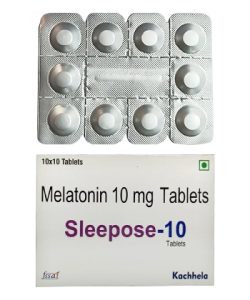
Sleepose
from
Toficalm
fromUnderstanding Sleep Disorders and When You Need Help
Sleep problems affect millions of Americans each year, impacting work performance, health, and overall quality of life. Insomnia, the most common sleep disorder, involves difficulty falling asleep, staying asleep, or waking up too early. Other conditions like sleep apnea, restless leg syndrome, and narcolepsy may also require treatment. If you’ve tried lifestyle changes like maintaining a regular sleep schedule, avoiding caffeine, and creating a dark bedroom environment but still struggle to sleep, sleeping aids might help. These products work by calming your mind and body, allowing you to drift off more easily and enjoy deeper, more restorative sleep throughout the night.
Over-the-Counter Sleeping Aids
Over-the-counter sleep aids are widely available without a prescription and offer a convenient first option for mild to moderate sleep issues. Antihistamines like diphenhydramine are common ingredients found in brands such as Benadryl Sleep and Tylenol PM. These work by blocking histamine, which promotes wakefulness. Doxylamine succinate, found in products like Unisom and Equate Sleep Aid, is another popular antihistamine option. Melatonin supplements are natural alternatives that help regulate your body’s sleep-wake cycle and come in various dosages. Valerian root and chamomile are herbal options that promote relaxation without the sedating effects of stronger medications. Magnesium supplements may also support better sleep quality. These options generally have fewer side effects than prescription medications, though they may not work for everyone and effectiveness varies by individual.
Prescription Sleep Medications
Prescription sleeping aids are stronger medications recommended for more serious sleep disorders and are prescribed by healthcare providers. Benzodiazepines like triazolam (Halcion) and estazolam (ProSom) work quickly and are effective for short-term insomnia treatment. Non-benzodiazepine hypnotics, often called Z-drugs, include zolpidem (Ambien), zaleplon (Sonata), and eszopiclone (Lunesta). These medications have fewer side effects than benzodiazepines and are often preferred for long-term use. Ramelteon (Rozerem) works similarly to melatonin by targeting sleep-wake cycle receptors. Suvorexant (Belsomra) works by blocking orexin, a brain chemical that promotes wakefulness. Barbiturates are older medications rarely prescribed today due to higher dependency risks. Prescription medications should only be used as directed by your doctor, as they may cause dependence with prolonged use and can interact with other medications or medical conditions.
Natural and Herbal Sleep Solutions
Many people prefer natural alternatives for promoting better sleep without pharmaceutical side effects. Melatonin supplements mimic your body’s natural sleep hormone and are available in dosages ranging from 0.5mg to 10mg. L-theanine, an amino acid from green tea, promotes relaxation without causing drowsiness during the day. Valerian root has been used for centuries to improve sleep quality and reduce the time it takes to fall asleep. Chamomile tea and supplements provide gentle calming effects suitable for many people. Passionflower and lavender are traditional herbs known for their soothing properties. Magnesium glycinate and other magnesium forms support muscle relaxation and nervous system calm. CBD products derived from hemp are becoming increasingly popular, though research is still ongoing regarding their effectiveness. These natural options generally have minimal side effects but may take longer to work than prescription medications and results vary among individuals.
How to Choose the Right Sleeping Aid for You
Selecting an appropriate sleeping aid depends on your specific sleep issues, medical history, and lifestyle factors. Consider whether you have trouble falling asleep, staying asleep through the night, or both, as different products address different problems. Talk with your doctor or pharmacist about your sleep patterns and any other medications you take, since interactions can occur. Over-the-counter options work well for occasional sleep problems caused by stress or temporary disruptions. Prescription medications may be necessary for chronic insomnia lasting more than three months. Natural products suit those preferring gentler approaches or experiencing sensitivity to stronger medications. Start with the lowest effective dose to minimize side effects and assess how your body responds. Keep a sleep diary to track what works best for you.
Remember that sleeping aids work best when combined with good sleep hygiene practices. Consider implementing these healthy sleep habits:
- Keep a consistent sleep schedule by going to bed and waking up at the same time daily
- Limit screen time at least one hour before bed, as blue light can interfere with melatonin production
- Exercise regularly during the day to promote better sleep quality
- Avoid caffeine, alcohol, and heavy meals close to bedtime
- Create a cool, dark, and quiet bedroom environment
- Consider relaxation techniques such as deep breathing, meditation, or progressive muscle relaxation
Important Safety Information and Side Effects
While sleeping aids can be helpful, understanding potential side effects and safety considerations is essential. Over-the-counter antihistamines may cause morning grogginess, dizziness, or dry mouth, and some people develop tolerance over time. Prescription medications can cause dependence with long-term use, so doctors typically recommend using them for limited periods. Z-drugs rarely cause addiction but may result in complex sleep behaviors where you perform activities while not fully awake. Some people experience rebound insomnia if they stop sleeping medications suddenly. Never mix sleeping aids with alcohol, as this combination can be dangerous and increase side effects. Pregnant women should consult their doctor before using any sleeping aid. Older adults may need lower doses due to increased sensitivity and potential interactions with other medications. Always read labels carefully, follow dosage instructions exactly, and report any concerning side effects to your healthcare provider immediately. If you experience persistent sleep problems despite trying various aids, consult a sleep specialist for proper evaluation and personalized treatment recommendations.