Acyclovir Cream
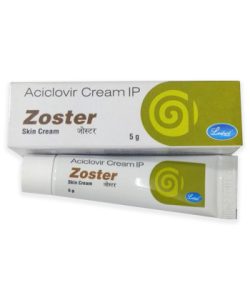
In brief
- In many community pharmacies and online pharmacies you can purchase acyclovir (aciclovir) 5% cream; availability varies by country — it is generally prescription-only in the US, EU, UK, Australia and Japan, but select cold-sore products (e.g., some Zovirax formulations) and generics are sold OTC in some countries and some pharmacies or online vendors may supply it without a receipt or prescription with delivery and discreet packaging.
- Acyclovir cream is used to treat herpes simplex infections of the skin (most commonly herpes labialis/cold sores and as an adjunct for genital herpes). It is a topical antiviral that is converted intracellularly to acyclovir triphosphate, which inhibits viral DNA polymerase and stops viral replication.
- Usual topical dosing is to apply the 5% cream to the affected area five times daily, typically for 4–5 days for cold sores or 5–10 days for genital lesions; start at the first sign of symptoms (prodrome) for best effect.
- Form of administration: topical application (cream or ointment) applied directly to the lesion from tubes commonly sold in 2 g, 5 g or 10 g sizes; oral and injectable forms exist but are separate products.
- Onset time: symptomatic relief and reduced viral activity are typically noticeable within 24–48 hours when started early, though individual response varies and full healing takes longer.
- Duration of action: the topical effect is short-lived between applications, which is why dosing is about every 4–5 hours (five times a day); the cream should be used for the full recommended course to achieve healing.
- Alcohol warning: there is no specific interaction between topical acyclovir and alcoholic beverages; however, avoid applying alcohol-based skin products to the treated area (they can increase irritation), and discuss alcohol use with your clinician if you require systemic antiviral therapy.
- The most common side effect is local irritation such as burning or stinging at the application site.
- Would you like to try acyclovir cream without a prescription?
Basic Aciclovir Cream Information
- INN (International Nonproprietary Name): Aciclovir (also spelled Acyclovir in the US).
- Brand Names Available In United States: Zovirax (GlaxoSmithKline) — 5% cream in tubes commonly supplied in 2g–10g sizes.
- ATC Code: D06BB03.
- Forms & Dosages: Cream 5% (50 mg/g) in 2g, 5g, 10g tubes; ointment 5% in similar tube sizes; oral tablets 200/400/800 mg; suspension 200 mg/5 mL; injectable vials 250 mg and 500 mg for hospital use.
- Manufacturers In United States: Major global suppliers include GlaxoSmithKline (Zovirax), and generics are supplied by manufacturers such as Teva, Actavis, Mylan, Amneal and others.
- Registration Status In United States: Widely approved and typically prescription-required.
- OTC / Rx Classification: Generally Rx only for topical cream in developed markets, with select brands reclassified OTC for short-term cold-sore use in some countries.
Everyday Use & Best Practices
Morning Vs Evening Dosing
Worried about remembering five daily applications while you work or sleep?
Start acyclovir cream at the very first tingle or visible blister for the best chance of shortening the outbreak.
Apply a thin layer to clean, dry skin five times daily as the standard regimen for herpes labialis (cold sores).
Use morning and evening applications as routine anchors so doses fit your day.
Example schedule: after morning hygiene, around lunchtime (if possible), mid-afternoon, with dinner, and before bed.
If you miss a dose, apply as soon as remembered and continue; do not double the next dose.
Avoid heavy makeup or oily balms immediately after application; wait until the cream absorbs.
Taking With Or Without Meals
Is timing with meals important for topical acyclovir cream?
No; taking with or without meals is irrelevant for topical use because the medicine acts on the skin surface.
Do not apply the cream to intra-oral, vaginal mucosa, or open wounds, and never ingest the product.
Stop use and seek medical care if you develop a widespread rash or signs of severe allergy.
Store tubes at room temperature (20–25°C) and keep them out of reach of children.
- Morning/Evening Routine Checklist:
- After washing face, apply first dose to affected area.
- Apply dose at lunchtime if feasible.
- Apply mid-afternoon and with dinner.
- Final application before bed.
Safety Priorities
Who Should Avoid It
Do you have a history of allergic reactions to antivirals or creams?
Absolute contraindication is a known allergy to aciclovir/acyclovir or any excipients in the cream.
Stop treatment and seek immediate medical attention for signs of severe hypersensitivity or a spreading rash.
Use topical acyclovir cautiously in immunocompromised patients because topical therapy may be inadequate for severe outbreaks.
Pregnancy and breastfeeding: consult your clinician before use and follow medical advice.
Avoid applying near the eyes, on mucous membranes, or on broken skin to reduce irritation risk.
Common local side effects include transient burning, stinging, redness, mild dryness, or itch.
Activities To Limit
Worried about passing a cold sore to others while you treat it?
Avoid kissing and oral sex while an active lesion is present to reduce HSV transmission risk.
Do not share utensils, lip products, or towels until lesions crust and heal.
Do not cover the treated area with occlusive dressings unless a clinician instructs you to do so.
If the lesion will be in bright sun, use physical sun protection; some patients report irritation when topical sunscreens are used on the lesion concurrently.
- Contraindications Quick List:
- Known allergy to acyclovir or excipients — do not use.
- Widespread or severe reactions — stop and seek care.
- Immunocompromised patients — consult a clinician.
Dosage & Adjustments
General Regimen
Wondering how long and how often to apply acyclovir cream?
For herpes labialis, apply acyclovir 5% cream five times daily to the affected area for 4–5 days or until healing.
For localized genital herpes, topical use is adjunctive; apply similarly five times daily for 5–10 days.
Start treatment at the prodrome when possible, as early initiation improves outcomes.
If you accidentally miss an application, apply it when remembered and continue as scheduled; do not double up doses.
Overdose is unlikely with topical use; ingestion requires medical attention.
Special Cases
Have children or kidney disease concerns?
Children: topical acyclovir cream is generally used in those over 12 years; younger children require clinician guidance.
Elderly: no formal topical dose adjustment is required, but watch for increased skin sensitivity.
Severe renal impairment: systemic dose adjustments are irrelevant for topical use, but avoid prolonged or large-area application without medical advice.
| Condition | Regimen | Duration |
|---|---|---|
| Cold Sore (Herpes Labialis) | Apply 5 times daily to affected area | 4–5 days or until healing |
| Genital Herpes (Topical Adjunct) | Apply 5 times daily | 5–10 days |
User Testimonials
Positive Reports
Wondering whether acyclovir cream actually helps users?
Many patients report faster crusting and shorter outbreak duration when acyclovir cream is applied early during prodrome.
Users commonly name Zovirax or generic acyclovir 5% cream in 2g–10g tubes when describing their positive experiences.
Reports highlight less pain, quicker healing, and an easy five-times-daily routine that fits work and family life.
Common Challenges
What problems do users mention most often?
Adherence to a five-times-daily schedule is the most frequently reported challenge.
Some users experience modest local irritation such as transient burning, dryness, or flaking.
Availability can be variable: topical acyclovir cream is prescription-only in many regions, limiting OTC access for some consumers.
- Pros / Cons (Patient View):
- Pros: Local action, low systemic effects, faster healing when started early.
- Cons: Frequent dosing, potential mild irritation, limited OTC availability in some areas.
- When To See A Clinician (Patient Checklist):
- Lesions spread or become unusually painful.
- Symptoms in immunocompromised patients.
- Signs of systemic infection (fever, malaise).
Buying Guide
Pharmacy Sources
Need to know where to buy acyclovir cream?
In the United States acyclovir 5% cream is commonly supplied as Zovirax (GSK) and by generics from manufacturers like Teva, Actavis and Mylan.
Check local retail pharmacies, mail-order pharmacies, and licensed e-pharmacies for availability.
For online purchases, use sites that verify prescriptions and show manufacturer packaging to confirm authenticity.
In our online pharmacy, acyclovir cream is available without a prescription, with discreet delivery to United States in 5-14 days.
Price Comparison
Price depends on brand versus generic and tube size (2g–10g), so unit price matters more than sticker price.
Compare retailers for brand/generic options and check whether a prescription is required by that seller.
| Retailer | Brand/Generic | Tube Size | Approx. Price | Rx Required |
|---|---|---|---|---|
| Local Pharmacy Chain | Zovirax / Generic | 2g–10g | Varies By Store | Typically Yes |
| Mail-Order Pharmacy | Generic (Teva, Mylan) | 5g, 10g | Often Lower Unit Price | Depends |
| Licensed E-Pharmacy | Zovirax / Generic | 2g–10g | Compare Unit Price | Varies |
Watch shipping and storage statements; creams should be transported at room temperature and not exposed to freezing or extreme heat.
What’s Inside & How It Works
Ingredients Overview
Curious what’s in the tube?
The active ingredient is aciclovir (acyclovir) 5% (50 mg/g).
Cream formulations contain inactive excipients that affect texture and absorption; excipients differ by manufacturer and region.
Zovirax cream and Zovirax ointment contain the same active amount but different bases that change feel and occlusiveness.
- Active: Aciclovir 5% (50 mg/g).
- Inactive: Emollients, preservatives, and base ingredients vary by brand — check the label if you have known sensitivities.
Mechanism Basics
How does a topical antiviral stop a cold sore?
Acyclovir is a nucleoside analogue that selectively interrupts herpes simplex virus (HSV) DNA replication in infected cells.
Applied topically, it concentrates at the skin surface where lesions form and reduces viral replication locally, which helps lesions heal faster when started early.
Systemic absorption from topical use is minimal, which explains the low rate of systemic side effects compared with oral antivirals.
Main Indications
Approved Uses
What is acyclovir cream officially used for?
Topical acyclovir 5% cream is approved for treatment of herpes labialis (cold sores).
It is also used adjunctively for localized genital herpes, though systemic therapy is often preferred for more severe disease.
Typical approved regimen for cold sores is five times daily for 4–5 days, started at first signs of an outbreak.
Off-Label Uses
Are there other uses clinicians sometimes try?
Topical acyclovir has been used in limited settings to reduce transmission during outbreaks or for other localized HSV skin infections, but evidence and approvals vary.
Systemic therapy is preferred for severe, widespread, or immunocompromised cases, and topical application on mucosa is not recommended by product labeling.
| Use | Approved / Off-Label | Recommended Duration |
|---|---|---|
| Herpes Labialis (Cold Sores) | Approved | 4–5 days |
| Localized Genital Herpes (Adjunct) | Approved / Adjunct | 5–10 days |
| Other Localized HSV Skin Infections | Sometimes Used (Off-Label) | Varies |
Interaction Warnings
Food Interactions
Do I have to avoid foods when using acyclovir cream?
No — topical acyclovir cream has no significant food interactions because systemic exposure is minimal.
You do not need to time applications around meals for pharmacologic reasons.
Drug Conflicts
Can I use other topical products with it?
Systemic drug–drug interactions are unlikely with topical use, but avoid applying other topical medicines to the same lesion unless your clinician approves.
Avoid concurrent topical steroids, other antivirals, or abrasive products that could change absorption or increase irritation.
If you are using systemic antivirals (valacyclovir, famciclovir) or are immunosuppressed, discuss combined therapy with your clinician; systemic therapy may be recommended instead of topical alone.
- Do Not Co-Apply:
- Topical corticosteroids on the lesion unless directed.
- Rough scrubs or chemical peels on active lesions.
- Occlusive dressings without clinical advice.
Latest Evidence & Insights
Key Trials And Guideline Highlights
Want the short clinical readout?
Topical acyclovir 5% remains a validated topical antiviral for herpes labialis with best benefit when started early at prodrome.
Clinical data show modest acceleration of healing and symptom relief compared with no treatment.
Comparative studies indicate topical acyclovir is less potent than oral antivirals for reducing recurrence or transmission, but its local action and minimal systemic exposure make it useful for uncomplicated episodes.
Competitors for cold sores include penciclovir cream and OTC docosanol in the United States, while oral valacyclovir or famciclovir provide stronger systemic control.
- Guideline Snapshot:
- Topical therapy: useful for early, localized cold sores.
- Oral therapy: preferred for frequent, severe, or immunocompromised cases.
Alternative Choices
When To Choose Alternatives
Is acyclovir cream not cutting it for recurrent or severe outbreaks?
Consider topical penciclovir or OTC docosanol for cold sores in some patients.
For frequent or severe outbreaks, or lesions on mucosa or extensive areas, oral antivirals such as valacyclovir, famciclovir, or oral acyclovir tablets are generally preferred.
Ointment vs cream: ointments may feel greasier and more protective; both forms often contain the same amount of active ingredient.
Comparison Table
| Option | Pros | Cons | Typical Use Case |
|---|---|---|---|
| Acyclovir Cream 5% | Local effect, low systemic exposure | Frequent dosing | Early, localized cold sores |
| Penciclovir Cream | Topical antiviral alternative | Prescription required in many areas | Cold sores |
| Docosanol (OTC) | OTC access, simpler use | Variable efficacy vs prescription antivirals | Mild cold sores |
| Oral Valacyclovir / Famciclovir | Systemic control, fewer recurrences | Systemic side effects possible | Frequent/severe outbreaks, immunocompromised |
Regulation Snapshot
Approval And Manufacturer Overview
How is acyclovir cream classified around the world?
Aciclovir topical formulations (ATC D06BB03) are widely approved across the US, EU, UK, Australia, and Japan.
Major manufacturers and brands include GlaxoSmithKline (Zovirax), Teva, Actavis, Mylan and many local suppliers globally.
Tubes commonly come in 2g–10g sizes and are generally registered as prescription-only in developed markets.
Country Status Quick-Reference
| Region | Rx Or OTC | Main Manufacturers |
|---|---|---|
| United States | Generally Rx | GSK (Zovirax), generics by Teva, Mylan, Actavis |
| European Union / UK | Generally Rx | Multiple generics (Teva, Actavis, Rosemont) |
| Australia / Japan | Generally Rx | Local distributors and global manufacturers |
For country-specific registration or pack details consult national agencies or manufacturer literature.
FAQ Section
Quick Answers For Common Questions
Does it work if I start late?
It’s less effective when started late; best results occur when treatment begins at prodrome.
Can I use it for cold sores inside the mouth?
No; avoid mucous membranes and intra-oral application unless product labeling explicitly allows it.
How long until I see improvement?
Many patients notice reduced pain and faster crusting within days, with a typical course of 4–5 days.
Is it safe in pregnancy?
Discuss with your clinician; use under medical advice is recommended.
Can I combine with lip balm?
Wait until the cream absorbs; avoid mixing products directly on the lesion.
When To Call A Clinician
- Severe or spreading lesions.
- Immunocompromised status or on immunosuppressant therapy.
- Signs of systemic infection such as fever or malaise.
- Severe local allergic reaction (widespread rash, swelling, breathing difficulty).
- Lesions that do not heal after the recommended duration.
Guidelines For Proper Use
Application Steps
Want a printable routine you can follow?
- Wash hands and dry them thoroughly.
- Gently clean the lesion area and pat dry.
- Apply a thin layer of acyclovir 5% cream to the affected area five times daily, gently rubbing in.
- Allow the cream to absorb before applying cosmetics or lip balm.
- Wash hands after application to avoid spreading virus.
- If using other topicals, space applications unless instructed otherwise.
Storage & Disposal
How do I store or dispose of leftover cream?
Store at room temperature (20–25°C) and avoid freezing or exposing tubes to excessive heat.
Keep the tube tightly closed and out of reach of children and pets.
Dispose of used or expired tubes according to local pharmaceutical disposal programs; do not flush or leave where children can access them.
| Storage Condition | Recommendation |
|---|---|
| Temperature | Store at 20–25°C; avoid freezing and excessive heat |
| Child Safety | Keep out of reach of children |
Delivery Across United States
| City | Region | Delivery Time |
|---|---|---|
| New York | New York | 5-7 days |
| Los Angeles | California | 5-7 days |
| Chicago | Illinois | 5-7 days |
| Houston | Texas | 5-7 days |
| Phoenix | Arizona | 5-7 days |
| Philadelphia | Pennsylvania | 5-7 days |
| San Antonio | Texas | 5-7 days |
| San Diego | California | 5-7 days |
| Dallas | Texas | 5-7 days |
| San Jose | California | 5-7 days |
| Austin | Texas | 5-7 days |
| Jacksonville | Florida | 5-9 days |
| Columbus | Ohio | 5-9 days |
| Boise | Idaho | 5-9 days |
| Des Moines | Iowa | 5-9 days |