
Antivirals
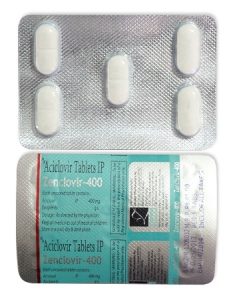
Aciclovir
from
Acyclovir Cream
from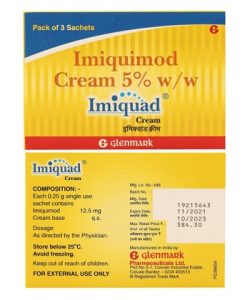
Aldara
from
Chloroquine
from
Efavirenz
from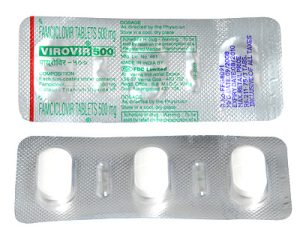
Famvir
from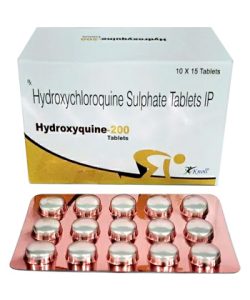
Hydroxychloroquine
from
Ivermectin
from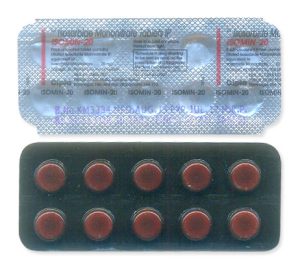
Monoket
from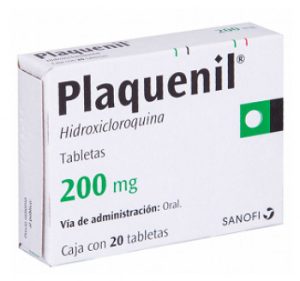
Plaquenil
from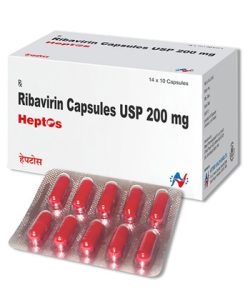
Rebetol
from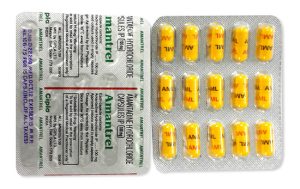
Symmetrel
from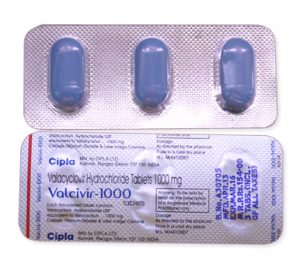
Valtrex
from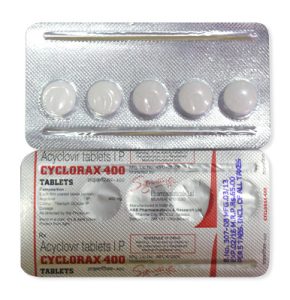
Zovirax
fromUnderstanding Antivirals: What They Are and How They Work
Antiviral medications are drugs designed to treat infections caused by viruses. Unlike antibiotics that target bacteria, antivirals work by interfering with the virus’s ability to replicate and spread throughout the body. These medications can work in several ways: some prevent viruses from entering cells, others inhibit viral enzymes needed for reproduction, and some boost the immune system’s ability to fight the infection.
Antivirals are crucial in modern medicine because viral infections affect millions of Americans each year. Common viral infections include the flu, herpes, shingles, and COVID-19. While some antiviral medications can cure certain viral infections, others manage symptoms and reduce the duration of illness. It’s important to understand that antivirals are most effective when started early in the infection, often within the first few days of symptom onset.
Antiviral Medications for Influenza and Cold
Influenza affects thousands of Americans annually, particularly during winter months. Antiviral medications can reduce flu symptoms and shorten the duration of illness by one to two days when taken early. The most commonly prescribed antivirals for influenza are neuraminidase inhibitors.
Several flu antiviral options are available through prescription:
- Oseltamivir, marketed as Tamiflu, is one of the most popular flu antivirals available in capsule and liquid suspension forms for both adults and children
- Zanamivir, known as Relenza, is an inhalant powder that works similarly to oseltamivir
- Peramivir is an intravenous option for patients who cannot take oral or inhalant medications
- Baloxavir marboxil, branded as Xofluza, is a newer option that requires only a single dose
For common colds caused by rhinoviruses, treatment is typically supportive since colds are usually mild and self-limiting. Most cold symptoms resolve within seven to ten days with rest, fluids, and over-the-counter symptom relief.
Herpes and Shingles Antiviral Treatments
Herpes simplex virus infections affect a significant portion of the American population. Antivirals for herpes work by inhibiting viral DNA polymerase, preventing the virus from replicating. Several effective treatment options are available:
- Acyclovir is one of the oldest and most widely used antivirals for herpes, available as a cream, tablet, and intravenous injection
- Valacyclovir, marketed as Valtrex, is an oral medication that converts to acyclovir in the body and offers convenient dosing
- Famciclovir, brand name Famvir, is another oral option for treating herpes simplex and herpes zoster
These medications are used for both acute outbreaks and as suppressive therapy for people with frequent recurrences. Shingles, caused by reactivation of the varicella-zoster virus, causes severe pain and rash. The same antiviral medications used for herpes work for shingles when started within 72 hours of symptom onset. Starting antiviral treatment early significantly reduces pain duration and the risk of postherpetic neuralgia, a complication causing long-term nerve pain. Preventive vaccines are also available to reduce shingles risk in adults over 50.
COVID-19 Antiviral Medications
The COVID-19 pandemic brought new antiviral medications to the market. These drugs have proven effective in reducing severe illness and hospitalization, particularly when taken early in infection. Multiple treatment options are now available for eligible patients:
- Paxlovid, containing nirmatrelvir and ritonavir, is an oral antiviral that significantly reduces hospitalization risk when taken early in infection, coming as a combination pack of tablets taken twice daily for five days
- Remdesivir, marketed as Veklury, is an intravenous antiviral used primarily in hospitalized patients with severe COVID-19
- Molnupiravir is an oral medication that works by introducing errors into the viral genome during replication
- Sotrovimab is a monoclonal antibody treatment for high-risk patients early in infection
These medications are particularly important for immunocompromised individuals, elderly patients, and those with underlying health conditions. The effectiveness of COVID-19 antivirals depends heavily on starting treatment within the first few days of symptom onset. As the pandemic evolves, these medications remain important tools for preventing severe illness and death.
Antivirals for Chronic Viral Infections
Some viral infections require long-term antiviral therapy. Hepatitis B and C can cause chronic liver disease, and antivirals help prevent progression to cirrhosis and liver cancer. Entecavir and tenofovir are commonly prescribed for chronic hepatitis B, working by suppressing viral replication in the liver. Hepatitis C antivirals like sofosbuvir and ledipasvir can actually cure most patients when used in combination regimens.
HIV requires lifelong antiretroviral therapy with multiple drug combinations to suppress viral loads. These medications prevent AIDS development and allow people with HIV to live normal lifespans. Cytomegalovirus affects immunocompromised patients, particularly those with untreated HIV or transplant recipients. Ganciclovir and valganciclovir are antivirals used to treat CMV infections. Epstein-Barr virus typically doesn’t require antiviral treatment in healthy people, but severe cases may benefit from antivirals. Antivirals for chronic infections are often taken indefinitely and require regular monitoring to ensure effectiveness and manage side effects.
Choosing the Right Antiviral and Important Considerations
Selecting the appropriate antiviral medication depends on several factors including the type of viral infection, severity, timing of symptom onset, and individual patient factors. Important considerations include:
- Age matters because some antivirals may not be suitable for young children or elderly patients
- Kidney function must be considered since many antivirals are cleared through the kidneys
- Pregnant women need careful consideration of which antivirals are safe for their developing baby
- Drug interactions are important because some antivirals interact with other medications
- Cost and insurance coverage vary for different antiviral options
- Timing is critical because antivirals work best when started early in infection, often within 48 to 72 hours of symptom onset
Your healthcare provider will consider your medical history, current medications, and specific viral infection to recommend the most appropriate antiviral. Some antivirals are available over-the-counter while others require prescriptions. It’s important to complete the full course of antiviral medication even if you feel better, as stopping early may allow viral replication to resume. Regular follow-up with your healthcare provider ensures your antiviral treatment is working effectively and helps catch any side effects early.