Symmetrel
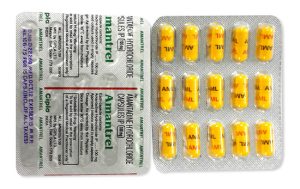
In brief
- Symmetrel (amantadine hydrochloride) is available from pharmacies, hospitals and licensed online suppliers in many countries; it is generally classified as prescription-only, but in some local pharmacies it may be possible to buy Symmetrel without a receipt depending on local practice and regulations.
- Symmetrel is used for Parkinson’s disease (including drug‑induced parkinsonism and dyskinesia) and for treatment/prophylaxis of Influenza A; its antiparkinsonian action is thought to increase dopaminergic neurotransmission (promoting dopamine release and inhibiting reuptake) and its antiviral effect is via inhibition of the influenza A M2 ion channel.
- Usual adult doses: Parkinson’s — 100 mg once or twice daily (total commonly 100–400 mg/day, start low and titrate); Influenza A treatment — 100 mg twice daily for 5–7 days; pediatric dosing and renal/elderly adjustments apply (e.g., 100 mg/day or 100 mg twice daily for older children/adolescents as specified by age/weight).
- Administered orally as immediate‑release tablets (commonly 100 mg), capsules (including extended‑release formulations), or syrup (50 mg/5 mL); extended‑release products are available for once‑daily dosing.
- Onset: antiviral benefit is greatest if started within 48 hours of flu symptom onset; symptomatic antiparkinsonian effects may begin within 24–72 hours after starting treatment.
- Duration of action: immediate‑release formulations usually act for approximately 8–12 hours (dose‑dependent), while extended‑release formulations are designed to provide effect over about 24 hours; elimination is prolonged in renal impairment.
- Avoid or limit alcohol while taking Symmetrel because alcohol can increase central nervous system side effects such as dizziness, drowsiness and confusion.
- The most common side effect is dizziness (other frequent effects include insomnia, agitation, dry mouth, nausea, orthostatic hypotension and livedo reticularis).
- Would you like to try symmetrel without a prescription?
Basic Symmetrel Information
- INN (International Nonproprietary Name): Amantadine hydrochloride
- Brand Names Available In United States: SYMMETREL (tablets 100 mg; syrup 50 mg/5 mL), Gocovri (extended-release capsules), Osmolex ER (extended-release tablets)
- ATC Code: N04BB — amantadine (Adamantane derivatives; anti‑Parkinson drugs)
- Forms & Dosages: Tablets 100 mg; Capsules (standard & ER) 100 mg; Syrup 50 mg/5 mL; ER strengths 68.5 mg, 129 mg, 137 mg
- Manufacturers In United States: Endo Pharmaceuticals; Adamas Pharma (Gocovri); Osmotica Pharma (Osmolex ER)
- Registration Status In United States: US FDA — Approved; prescription-only
- OTC / Rx Classification: Prescription-only (Rx) globally
Dosing Routines And Practical Tips
Worried about fitting Symmetrel into a busy day?
Symmetrel = amantadine hydrochloride (INN).
Prescription-only; follow your prescriber’s directions.
Don’t drive or operate heavy machinery until you know how it affects you.
Store at 15–30°C and protect from light and moisture.
If you have untreated angle-closure glaucoma, seizure disorder, severe renal or cardiac problems, or a history of psychosis, do not take it without specialist approval.
For practical daily integration, plan doses around routines such as meals and sleep, carry a small card listing allergy/medication information, and keep Symmetrel syrup in its original bottle.
Short Checklist:
- Follow prescriber dosing; bring a med list to appointments.
- Carry an allergy/medication card if on other CNS drugs.
- Store between 15–30°C; keep syrup tightly closed.
Pill-Time Table:
| Time | Typical Dose Example |
|---|---|
| 07:00 (With Breakfast) | Symmetrel 100 mg tablet (Parkinson’s starting dose) |
| 19:00 (Evening Meal) | Optional Symmetrel 100 mg if prescribed twice daily |
Morning Vs Evening Dosing
- AM Dose Pros — Reduces first-awakening stiffness and helps daytime mobility for Parkinson’s patients.
- AM Dose Cons — May cause daytime dizziness in sensitive individuals.
- PM Dose Pros — Provides longer coverage for late-day symptoms if a twice-daily regimen is prescribed.
- PM Dose Cons — May worsen insomnia or vivid dreams; consider moving dose earlier or discussing alternatives with prescriber.
- Common Regimens — Parkinson’s: 100 mg once daily or 100 mg twice daily (max 400 mg/day); Influenza A: 100 mg twice daily for 5–7 days.
Taking With Or Without Meals
Symmetrel can be taken with or without food.
Taking with food helps if you experience nausea common with amantadine hydrochloride use.
Syrup (50 mg/5 mL) is useful for patients with swallowing issues and for flexible pediatric dosing.
| Form | Ease Of Dosing | Palatability |
|---|---|---|
| 100 mg Tablet | Simple, fixed-dose; good for adults | Neutral |
| 50 mg/5 mL Syrup | Flexible volume dosing; easier for children or dysphagia | Variable by manufacturer |
Safety Priorities
What safety checks should you do before starting Symmetrel?
First, check for allergy to amantadine or any excipients in the product.
Avoid use if you have untreated angle-closure glaucoma.
Symmetrel is prescription-only and can cause central nervous system and cardiovascular side effects.
Elderly patients and those with renal impairment need special precautions and dose adjustments.
- Do Not Use If: known amantadine allergy.
- Do Not Use If: untreated angle‑closure glaucoma.
- Use Caution If: seizure disorder, congestive heart failure, severe renal or hepatic impairment.
- Use Caution If: orthostatic hypotension or psychiatric history (hallucinations/psychosis).
| Risk Factor | Recommended Action |
|---|---|
| Renal impairment | Reduce dose by ~50% or more; monitor creatinine |
| Elderly | Start low (often 100 mg/day); monitor for confusion |
| Seizure history | Consult prescriber; consider alternative therapies |
Who Should Avoid It
- Known Amantadine Allergy → Do not use; seek an alternative.
- Untreated Angle-Closure Glaucoma → Absolute contraindication; refer to ophthalmology.
- Seizure Disorder → Use only with prescriber approval; consider other options.
- Congestive Heart Failure → Monitor closely; adjust dose if needed.
- Severe Renal Or Hepatic Impairment → Dose reduction/monitoring required.
- Pregnancy/Lactation → Not recommended unless benefit outweighs risk; discuss with clinician.
Activities To Limit
Avoid driving, operating machinery, or climbing ladders until you know how Symmetrel affects you.
Alcohol and other sedating drugs can increase impairment; check interactions with your pharmacist.
If you have orthostatic hypotension, stand up slowly and consider compression stockings if advised.
- Safety Checklist: no driving until tolerated; avoid heavy alcohol; report new dizziness/confusion.
- At-Home Risks: blurred vision may affect stair use; urinary retention may require caregiver help.
Dosage & Adjustments
How will your dose be chosen and when should it change?
Dosing depends on the indication, age, and kidney function.
For Parkinson’s disease, common adult dosing is 100 mg once or twice daily, with a maximum reported of 400 mg/day.
For influenza A treatment, the usual adult dose is 100 mg twice daily for 5–7 days, started within 48 hours of symptom onset.
Always follow the prescriber’s plan and check renal function before long-term therapy.
| Indication | Typical Adult Regimen |
|---|---|
| Parkinson’s Disease | 100 mg once or 100 mg twice daily (titrate; max 400 mg/day) |
| Influenza A (Treatment) | 100 mg twice daily for 5–7 days (start within 48 hrs) |
Missed Dose Checklist:
- If missed, take as soon as remembered unless it’s almost time for the next dose.
- Do not double the dose to make up for a missed tablet.
Overdose Signs: agitation, hallucinations, cardiac arrhythmia, convulsions, severe hypotension.
Seek immediate medical attention for suspected overdose; dialysis may be considered in severe cases.
General Regimen
Adults with Parkinson’s typically start at 100 mg once daily and may be increased to 100 mg twice daily depending on response and tolerance.
Children aged 10–18 often receive 100 mg twice daily; ages 5–9 require specialist dosing and younger children are not routinely recommended to use amantadine hydrochloride.
Missed-dose rule: take missed dose when remembered unless it’s near the next scheduled dose; never double up.
Special Cases
Renal impairment requires a dose reduction of about 50% or more because amantadine is renally cleared and can accumulate.
Elderly patients should start low—often 100 mg/day—and be monitored for confusion, hallucinations, or orthostatic symptoms.
Severe toxicity (agitation, hallucinations, severe arrhythmia, convulsions) needs urgent care; dialysis may be used for severe poisoning.
User Testimonials
Wondering what other patients say about Symmetrel?
Below are anonymized, balanced summaries of common patient experiences with Symmetrel, including both benefits and challenges reported by users.
“Reduced morning stiffness and helped me get moving earlier in the day.” — Parkinson’s patient, anonymized.“Syrup made dosing for my teenager much easier when swallowing tablets was a problem.” — Parent, anonymized.
- Common Positive Themes: improved motor symptoms, reduced drug-induced extrapyramidal signs, convenience of Symmetrel syrup, benefit for some with levodopa-induced dyskinesia (ER options).
- Common Challenges: dizziness, vivid dreams or insomnia, dry mouth, constipation, and livedo reticularis (skin mottling).
- Access Issues: price and availability vary by supplier; generics are often less expensive than brand or ER formulations.
Positive Reports
Many patients describe improved rigidity and reduced tremor after starting amantadine hydrochloride.
People who used the syrup report easier dosing for children or those with swallowing difficulties.
Extended-release brands like Gocovri and Osmolex ER are praised by some for steady symptom control in selected patients with dyskinesia.
- Benefits To Look For: reduced stiffness, fewer involuntary movements, more predictable daily dosing.
Common Challenges
Some users report CNS side effects such as dizziness, confusion, and vivid dreams, especially if doses were not reduced for kidney disease.
Older adults may experience increased confusion or hallucinations and should be monitored closely.
Price variability is a practical concern—ask your pharmacist about generic amantadine 100 mg pill options if cost is an issue.
Buying Guide
How to find Symmetrel or safer alternatives without surprise at the pharmacy counter?
Remember that Symmetrel is prescription-only in the US, though in our online pharmacy, symmetrel is available without a prescription, with discreet delivery to United States in 5-14 days.
Verify brand and formulation at the pharmacy so the dose and delivery form match what your clinician prescribed.
Brand Form/Dosage When To Ask For Generic Symmetrel Tablets 100 mg; Syrup 50 mg/5 mL Generic tablets often cost less; confirm excipients if allergies present Gocovri Extended-release capsules Used for dyskinesia; insurance coverage varies Osmolex ER Extended-release tablets Compare cost vs benefit for long-term dyskinesia control Pharmacy Sources
Symmetrel (tablets 100 mg; syrup 50 mg/5 mL) is available in the US and other English-speaking markets from various manufacturers.
Other US options include Gocovri and Osmolex ER for specific extended-release indications.
Use licensed community or reputable online pharmacies and present your prescription at pickup or during an online order.
Price Comparison
Prices vary by brand, formulation, insurance, and pharmacy policies.
Generic amantadine hydrochloride tablets are usually less expensive than branded Symmetrel or ER formulations.
Ask your pharmacist about manufacturer coupons, patient assistance programs, or therapeutic alternatives if cost is a barrier.
What’s Inside & How It Works
What are you taking when you pick a Symmetrel 100 mg tablet?
The active ingredient is amantadine hydrochloride, an adamantane derivative classified under ATC code N04BB.
Ingredient Purpose Amantadine Hydrochloride (INN) Increases dopaminergic activity; historically antiviral vs influenza A Excipients Binders, fillers, flavors in syrup — check product label for allergies Ingredients Overview
Available forms include 100 mg tablets, syrup 50 mg/5 mL, and several extended-release strengths depending on the brand.
Excipients vary by manufacturer; if you have known sensitivities, check the package insert or ask your pharmacist.
Extended-release formulations (Gocovri, Osmolex ER) come in specific strengths for dyskinesia management and differ from immediate-release Symmetrel tablets.
Mechanism Basics
Amantadine has multiple actions: it boosts dopaminergic activity in the brain, which can ease Parkinson’s rigidity and some involuntary movements.
It also historically acted as an antiviral against influenza A, though routine antiviral use is limited by resistance in circulating strains.
This dual neurologic and antiviral background explains why amantadine has been used in both neurology and infectious disease settings.
Main Indications
What is Symmetrel commonly prescribed for?
Licensed uses include Parkinson’s disease, treatment and prophylaxis of influenza A (historically), and drug-induced extrapyramidal symptoms.
Indication Typical Dose / Duration Parkinson’s Disease 100 mg once to twice daily; chronic use with periodic reassessment Influenza A (Treatment) 100 mg twice daily for 5–7 days; start within 48 hours Approved Uses
- Parkinson’s disease (idiopathic and secondary forms) — chronic therapy with periodic review.
- Influenza A treatment and prophylaxis — historically used; check current public-health guidance due to resistance.
- Drug-induced extrapyramidal symptoms — used to reduce secondary parkinsonism.
Off-Label Uses
- Post-acute brain injury sequelae — limited evidence; consult a specialist (experimental/limited).
- Management of fatigue in multiple sclerosis or post-viral syndromes including some COVID-19 cases — evidence is preliminary and varies by country.
Interaction Warnings
Which medicines and foods could interact with Symmetrel?
No major food interactions are established; taking Symmetrel with food can reduce nausea.
Alcohol can worsen dizziness and confusion and should be limited while taking amantadine hydrochloride.
Have a medication review with your pharmacist whenever starting or stopping other drugs.
Drug/Class Interaction Action Bupropion, Tramadol May lower seizure threshold; combined risk increased Avoid combination or monitor closely Sedatives, Anticholinergics, Antipsychotics Increased confusion, hallucinations, orthostatic hypotension Use caution; adjust dose or choose alternatives Renally Cleared Drugs Competing renal clearance can alter levels Monitor renal function; adjust dosing Food Interactions
- Take with meals to ease nausea from amantadine hydrochloride if needed.
- Avoid heavy alcohol use while taking Symmetrel due to additive CNS effects.
- Report any new OTC remedies (antacids, cold meds) to your clinician.
Drug Conflicts
- Drugs that lower the seizure threshold (e.g., bupropion, tramadol) raise concern when combined with Symmetrel.
- Combining Symmetrel with other CNS-active drugs may increase confusion or hallucinations.
- Discuss levodopa combinations with your neurologist to balance benefits and interactions in Parkinson’s therapy.
Latest Evidence & Insights
What’s changed recently about amantadine and Symmetrel?
- Regulatory Status: FDA-approved in the US and prescription-only; ER brands available for selected indications.
- Antiviral Use: Influenza A resistance has limited routine antiviral utility in many regions.
- Neurology Use: Amantadine remains established for Parkinson’s and drug-induced extrapyramidal symptoms; ER formulations have targeted approvals.
Important Studies Summary:
- ER formulations (Gocovri, Osmolex ER) have clinical data supporting benefit in managing dyskinesia for selected patients (moderate evidence for specific populations).
- Small, preliminary trials explore amantadine for post-viral fatigue and traumatic brain injury sequelae; evidence is limited and mixed.
- Antiviral benefit against influenza A is historically documented but limited by resistance in circulating strains.
Takeaway: Discuss current public-health guidance and individual goals with your clinician before using amantadine for antiviral purposes or off-label neurologic uses.
Alternative Choices
When should you consider switching from Symmetrel to another option?
If amantadine causes intolerable CNS effects, renal accumulation, or insufficient benefit, there are well-established alternatives for Parkinson’s symptom control and antiviral needs.
Therapeutic Goal Drug Choice Pros / Cons Symptom Control (Parkinson’s) Levodopa/Carbidopa Gold standard for motor symptoms; more potent but different side-effect profile Dyskinesia Control Gocovri / Osmolex ER ER benefit in selected patients; higher cost Influenza A Antiviral Rimantadine (pharmacologic relative) Similar resistance concerns; check current public-health advice Comparable Drugs
- Levodopa/carbidopa — primary therapy for Parkinson’s motor symptoms.
- MAO-B inhibitors (selegiline, rasagiline) — adjuncts to improve dopaminergic tone.
- Dopamine agonists (pramipexole, ropinirole) — alternatives for some patients.
- Rimantadine — antiviral relative with similar resistance limitations.
When To Choose Alternatives
Consider alternatives if Symmetrel leads to confusion, hallucinations, renal clearance problems, or inadequate symptom control.
Work with your clinician to weigh symptom control, side-effect tolerance, and cost when choosing ER formulations or switching drug classes.
Regulation Snapshot
What are the practical regulatory points to keep in mind?
Region Status Common Brand Names United States FDA-approved; prescription-only Symmetrel; Gocovri; Osmolex ER European Union Authorized under national/regional agencies; prescription-only PK‑Merz; generics Romania Authorized; prescription-only Amantadină 100 mg Approval Status By Region
In the US, Symmetrel and ER brands are FDA-approved and dispensed by prescription only.
In the EU and countries like Romania, amantadine products are authorized under various brand names and are Rx-only.
Packaging and brand names vary by country; check local authorization lists for current suppliers.
Prescription Rules & Storage
All regions classify amantadine as prescription-only.
Store at 15–30°C and protect from light and moisture; keep syrup in the original container tightly closed.
When traveling, carry a copy of the prescription and check local import rules—some countries restrict certain formulations.
FAQ Section
Quick answers to the most common patient questions about Symmetrel and amantadine hydrochloride.
- Can I stop suddenly? No — discuss tapering with your prescriber for Parkinson’s; abrupt changes can worsen symptoms.
- What if I miss a dose? Take as soon as remembered unless it’s almost time for the next dose; do not double up.
- Is it safe in pregnancy? Generally not recommended unless benefits outweigh risks; discuss with your clinician.
- How long until I see benefits? For influenza treatment, benefit course is 5–7 days; for Parkinson’s, effects may be noticed over days to weeks and require ongoing review.
Troubleshooting
If you experience severe dizziness, confusion, hallucinations, visual changes, urinary retention, or signs of overdose (agitation, arrhythmia, convulsions), seek immediate medical care.
For mild side effects such as dry mouth, constipation, or mild insomnia, discuss symptomatic measures (hydration, fiber, sleep hygiene) with your clinician before stopping therapy.
Symptom When To Call Clinician Hallucinations/Severe Confusion Call clinician immediately; consider dose reduction or discontinuation Orthostatic Hypotension Review blood pressure and medications; adjust dosing if needed Guidelines For Proper Use
Simple, actionable steps for safe and effective long-term use of Symmetrel.
- Record doses in a pill diary or app and bring it to clinic visits.
- Monitor renal function (serum creatinine) at baseline and periodically while on therapy.
- Report new neuropsychiatric symptoms (confusion, hallucinations) immediately.
- Carry medication ID and an allergy card when away from home.
- Dispose of unused medication via pharmacy take-back programs; do not flush.
Monitoring & Follow-Up
Baseline assessment should include renal function, cardiac history, and a full medication reconciliation.
For chronic Parkinson’s use, schedule periodic reviews to assess benefit, side effects such as livedo reticularis, and the need for dose adjustments.
In elderly patients or those with renal impairment, monitor more frequently and document response in a symptom diary to guide decisions.
Safe Disposal & Travel
Dispose of unused tablets or syrup at a pharmacy take-back program; do not flush down the toilet.
When traveling, keep medication in the original packaging with the prescription label and store between 15–30°C; avoid extreme heat or cold.
Carry dosing instructions and emergency contact information; seek emergency care for severe overdose signs — dialysis may be considered in serious poisoning.
Delivery Across United States
City Region Delivery time New York Northeast 5-7 days Los Angeles West 5-7 days Chicago Midwest 5-7 days Houston South 5-7 days Phoenix West 5-7 days Philadelphia Northeast 5-7 days San Antonio South 5-7 days San Diego West 5-7 days Dallas South 5-7 days San Jose West 5-7 days Austin South 5-7 days Jacksonville South 5-7 days Columbus Midwest 5-7 days