Rebetol
In brief
- Rebetol is a prescription-only medicine approved by major regulators (FDA, EMA, MHRA); it must be dispensed at pharmacies with a prescription and is not available over-the-counter.
- Rebetol (ribavirin) is used primarily in combination with interferon or peginterferon to treat chronic hepatitis C; ribavirin is a nucleoside (guanosine) analogue that inhibits viral RNA synthesis and viral mRNA capping, producing antiviral activity.
- Usual adult dose for chronic hepatitis C is weight-based: 1,000 mg/day for patients <75 kg (commonly 400 mg AM and 600 mg PM) and 1,200 mg/day for ≥75 kg (600 mg AM and 600 mg PM); pediatric dosing is about 15 mg/kg/day divided twice daily; always given in combination with interferon/peginterferon and adjust/avoid in renal impairment (CrCl <50 mL/min).
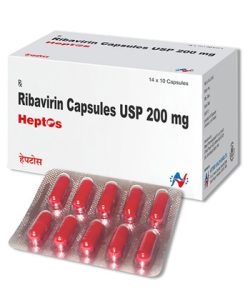
- Administered orally as capsules/tablets (200 mg common strengths) or as an oral solution (40 mg/mL); an inhalation formulation (Virazole) exists for RSV in specialized settings; oral dosing is typically taken with food and always with interferon therapy for hepatitis C.
- Antiviral activity can begin within days to weeks of starting therapy and reductions in viral load are often seen within the first 1–4 weeks, but clinical and sustained virologic responses are assessed over weeks to months.
- Treatment courses are conventionally 24 weeks (genotypes 2–3) or 48 weeks (genotypes 1, 4, 5, 6) when used with interferon/peginterferon; ribavirin has a long terminal half-life (hundreds of hours), so drug elimination and some effects persist for weeks after stopping.
- Avoid alcohol during treatment—alcohol can worsen liver disease, reduce treatment effectiveness, and increase the risk of liver-related complications.
- The most common side effect is fatigue; other frequent adverse effects include hemolytic (dose-related) anemia, headache, nausea, insomnia, mood changes, and respiratory symptoms.
- Would you like to try rebetol without a prescription?
Basic Rebetol Information
- INN (International Nonproprietary Name): Ribavirin.
- Brand Names Available In United States: Rebetol and Ribasphere are listed for oral formulations in the USA; Rebetol commonly supplied as 200 mg capsules and an oral solution 40 mg/mL.
- ATC Code: J05AP01.
- Forms & Dosages: Capsule/tablet strengths commonly 200 mg and 400 mg; oral solution 40 mg/mL; inhalation solution (Virazole) available as separate hospital product (e.g., 6 g/100 mL).
- Manufacturers In United States: MSD (Merck Sharp & Dohme) is the main Rebetol manufacturer; other branded or generic suppliers include Roche (Copegus in some regions) and generics from Apotex, Teva, Mylan.
- Registration Status In United States: Approved by FDA historically for use in combination with interferon/peginterferon in chronic hepatitis C; prescription-only (Rx).
- OTC / Rx Classification: Prescription only (Rx).
Everyday Use And Best Practices
Morning Vs Evening Dosing
Many people ask whether to take ribavirin in the morning or evening.
Split the daily total as prescribed to smooth blood levels and reduce GI upset.
For adults on standard regimens, if body weight is less than 75 kg the daily total is 1000 mg, commonly given as 400 mg in the morning and 600 mg in the evening.
If body weight is 75 kg or greater the usual daily total is 1200 mg, often dosed as 600 mg in the morning and 600 mg in the evening.
When feasible, take doses about 12 hours apart to keep steady ribavirin levels.
Set phone alarms and keep a simple dosing log to avoid missed doses.
If you use Rebetol oral solution (40 mg/mL), measure with the provided syringe or cup to avoid dosing errors.
Do not double-dose if a dose is missed; take the missed dose as soon as remembered unless it is close to the next scheduled dose.
Monitor hemoglobin routinely because anemia is a common side effect during ribavirin therapy.
- Tip: Use a pill organizer or smartphone reminders.
- Tip: Keep doses roughly 12 hours apart when possible.
- Tip: Record dose, date, and any side effects in your log.
Taking With Or Without Meals
One frequent worry is whether food affects absorption or side effects.
Take ribavirin with food if tablets or the oral solution irritate your stomach or cause nausea.
Taking capsules or oral solution with a meal improves tolerability for many patients and supports consistent absorption.
If the prescriber or label specifies “with food,” follow that instruction exactly.
For the oral solution, a small snack or a glass of milk can reduce nausea and help you take the same way every day.
Keeping a consistent routine—same meal, same times—reduces variability in how you feel and helps adherence.
If GI upset persists despite food, contact the care team rather than stopping therapy on your own.
LSI keywords naturally used here include Rebetol, ribavirin 200 mg, Rebetol oral solution, ribavirin oral solution, and ribavirin 40 mg/mL.
Checklist: do not stop doses without talking to your prescriber, and always report worsening fatigue or new bleeding.
Safety Priorities
Who Should Avoid It
Patients often ask who must not take ribavirin because of safety concerns.
Absolute exclusions include pregnancy due to a confirmed teratogenic risk with ribavirin.
Nursing mothers should avoid ribavirin because the drug may pass into breast milk.
Severe renal impairment with creatinine clearance under 50 mL/min is an absolute contraindication or calls for avoidance and specialist input.
People with hemoglobinopathies such as sickle cell disease or thalassemia major should not use ribavirin because of high anemia risk.
Autoimmune hepatitis and concurrent didanosine therapy are listed as absolute contraindications in product information.
Men whose partners are pregnant must use condoms and avoid conception during treatment and for six months after completion.
Women of childbearing potential must use reliable contraception during treatment and for six months after stopping ribavirin.
- Checklist: confirm negative pregnancy test before starting and repeat as directed by your prescriber.
- Checklist: review all current medications with your prescriber, especially antiretroviral and cardiac drugs.
Activities To Limit
Lifestyle advice helps reduce risks while on therapy.
Avoid alcohol if advised by your clinician, particularly when liver disease is present.
Limit high-intensity exercise if significant anemia develops and causes shortness of breath or lightheadedness.
Monitor driving and operating heavy machinery only if you experience fatigue, dizziness, or visual disturbances.
Psychiatric symptoms such as depression or irritability can occur during therapy and should prompt early medical contact.
Avoid making major life decisions when experiencing notable mood changes during treatment.
Always confirm activity restrictions with your prescriber and follow a regular schedule of CBC and pregnancy testing as mandatory monitoring.
| Who Must Avoid | Reason |
|---|---|
| Pregnant Women | Teratogenic risk |
| Severe Renal Impairment (CrCl <50 mL/min) | Accumulation and toxicity |
| Hemoglobinopathies | High anemia risk |
| Concurrent Didanosine | Serious adverse interaction |
Dosage And Adjustments
General Regimen
Patients frequently ask what the usual adult dosing is for chronic hepatitis C.
Standard adult dosing when ribavirin is combined with interferon or peginterferon depends on body weight.
For body weight under 75 kg, the total daily dose is 1000 mg, typically divided as 400 mg in the morning and 600 mg in the evening.
For body weight 75 kg or greater, the usual total is 1200 mg/day, commonly dosed as 600 mg in the morning and 600 mg in the evening.
Ribavirin is not used as monotherapy for chronic HCV; it is given with interferon/peginterferon in these historical regimens.
Treatment duration varies by genotype: genotypes 1, 4, 5, and 6 are treated for 48 weeks while genotypes 2 and 3 are typically treated for 24 weeks with these combinations.
Make all dose decisions only with the prescriber and follow lab-driven adjustments closely.
Special Cases
Adjustment rules are important for safety and effectiveness in special populations.
| Situation | Dose Adjustment / Note |
|---|---|
| Renal Impairment | Avoid if CrCl <50 mL/min or consider halving the dose with close specialist guidance |
| Pediatrics | Weight-based dosing: 15 mg/kg/day divided twice daily with food |
| Elderly / Comorbid Patients | Start conservatively and monitor hemoglobin and renal function; reduce dose for anemia |
| HIV Coinfection | Same adult dosing for tablets; monitor interactions with ART closely |
Always follow the prescriber’s individualized plan and adjust doses based on lab results and tolerability.
User Testimonials
Positive Reports
Patients often remember how clear instructions and clinic support helped them through treatment.
Many reported viral suppression and, historically, eventual HCV clearance when Rebetol was used correctly in combination with interferon.
Structured dosing schedules and close follow-up improved adherence for many patients on ribavirin-containing regimens.
Patients valued having both capsule and oral solution options, such as Rebetol capsule 200 mg or Rebetol oral solution 40 mg/mL, for swallowing issues or precise dosing.
Access to nursing or pharmacy counseling made it easier for people to keep appointments for CBCs and to manage side effects.
Common Challenges
Side effects drove many practical complaints and required dose changes for some patients.
Commonly reported problems include anemia causing fatigue and shortness of breath, nausea, mood changes including depression, and sleep disruption.
These side effects often led to additional clinic visits and sometimes dose reductions.
- Practical tip: take doses with food to reduce nausea.
- Practical tip: use daily pill organizers and alarm reminders to maintain adherence.
- Practical tip: attend regular blood tests to detect anemia early.
Checklist — Contact your care team if you experience worsening fatigue, fainting, chest pain, suicidal thoughts, or if pregnancy occurs during treatment.
Buying Guide
Pharmacy Sources
Where patients can get ribavirin and what packaging to expect are common questions.
Rebetol is a prescription medication in most official sources, but some online options exist for patients seeking convenience.
Rebetol and other ribavirin brands are sold through retail and specialty pharmacies in the US and major markets, and hospital pharmacies handle the inhalation product Virazole for RSV.
Manufacturers include MSD (Merck) for Rebetol and generics from Apotex, Teva, and Mylan in various regions.
In our online pharmacy, rebetol is available without a prescription, with discreet delivery to United States in 5-14 days.
Price Comparison
Cost varies by brand, formulation, and whether you use branded Rebetol versus generics such as Copegus or other generic ribavirin tablets and solutions.
Modern direct-acting antivirals (DAAs) can be more expensive but often replace interferon-plus-ribavirin regimens.
Steps to save money include using insurance prior authorization, applying for manufacturer assistance programs, comparing retail versus online pharmacy pricing, and considering generic ribavirin where clinically appropriate.
| Brand | Strengths | Where Sold |
|---|---|---|
| Rebetol | 200 mg capsules; oral solution 40 mg/mL | Retail, specialty pharmacies, online suppliers |
| Ribasphere | 200 mg, 400 mg, 600 mg tablets | US pharmacies |
| Virazole | Inhalation solution (hospital use) | Hospital procurement |
Remember that prescription and monitoring are typically required for safe use, and always confirm payment and delivery terms before ordering.
What’s Inside And How It Works
Ingredients Overview
People want to know the active ingredient and formulation differences between capsule and solution.
The active ingredient is ribavirin (INN), a nucleoside analogue antiviral classified under ATC code J05AP01.
Rebetol is commonly available as 200 mg capsules and a 40 mg/mL oral solution, with excipients varying by manufacturer and form.
Inhalation products such as Virazole are a separate formulation intended for respiratory infections like RSV and are managed in hospital settings.
Mechanism Basics
Understanding how ribavirin acts helps patients accept side effects tied to its antiviral action.
Ribavirin interferes with viral replication by causing lethal mutagenesis and inhibiting viral RNA synthesis, acting as a broad-spectrum nucleoside analogue.
Ribavirin is not effective as monotherapy for chronic hepatitis C and historically was combined with interferon or peginterferon to boost sustained virologic response.
Modern DAAs target HCV-specific proteins and have largely supplanted ribavirin in many regimens, though ribavirin still has a role in certain combinations or where DAAs are unavailable.
| Formulation | Active Ingredient | Mechanism |
|---|---|---|
| Rebetol Capsule (200 mg) | Ribavirin | Nucleoside analogue; inhibits viral RNA synthesis |
| Rebetol Oral Solution (40 mg/mL) | Ribavirin | Same mechanism; easier dosing for some patients |
| Virazole Inhalation | Ribavirin (inhaled) | Hospital use for RSV; different administration |
Main Indications
Approved Uses
Many readers want the short answer: what is ribavirin approved for?
Primary approved indication is chronic hepatitis C treatment when used in combination with interferon alfa or peginterferon alfa, as authorized by major regulators historically.
Specialist-led use includes some patients coinfected with HIV and HCV where tablets are preferred and close monitoring is required.
Ribavirin’s role is mostly adjunctive to interferon-era regimens and is guided by genotype and treatment history.
Off-Label Uses
Off-label uses and historical applications still appear in hospital settings.
Inhaled ribavirin (Virazole) is used in hospitals for severe respiratory syncytial virus (RSV) infections, especially in pediatrics or immunocompromised adults.
Occasional off-label use includes severe viral infections when other antivirals are unavailable, but such uses require infectious disease oversight.
| Product Form | Typical Indication |
|---|---|
| Rebetol Capsule / Oral Solution | Chronic Hepatitis C (with interferon/peginterferon) |
| Virazole Inhalation | Severe RSV in hospital settings |
Always follow current clinical guidelines, since many direct-acting antivirals now replace ribavirin as first-line therapy.
Interaction Warnings
Food Interactions
Patients commonly ask whether certain foods or alcohol interfere with ribavirin.
There are no major food interactions that require strict avoidance, but taking Rebetol with food reduces gastrointestinal upset and improves tolerability.
For the oral solution, accurate measurement is important and a small snack can help if nausea is an issue.
Avoid heavy alcohol intake because of additive strain on the liver in patients with hepatitis C.
Drug Conflicts
Drug interactions may increase risk and require changes in therapy.
An absolute contraindication is concurrent didanosine therapy owing to serious adverse interactions.
Drugs that suppress bone marrow or reduce renal function can worsen ribavirin’s hematologic toxicity and should be reviewed carefully.
Zidovudine and other myelosuppressive agents can add to anemia risk when combined with ribavirin.
Coordinate with a pharmacist or specialist to run a formal interaction check before starting treatment.
| Drug / Class | Concern |
|---|---|
| Didanosine | Absolute contraindication |
| Zidovudine | Increased risk of anemia |
| Myelosuppressive Agents | Worsened hematologic toxicity |
Latest Evidence And Insights
Patients often ask if there are better, newer options than ribavirin-containing regimens.
Over the last decade, direct-acting antivirals such as sofosbuvir (Sovaldi), ledipasvir/sofosbuvir (Harvoni), and glecaprevir/pibrentasvir (Mavyret) have transformed HCV care.
DAAs typically produce higher cure rates with shorter courses and fewer adverse effects compared with interferon-plus-ribavirin regimens.
Ribavirin still appears in some specific treatment-experienced patients, certain genotype combinations, or in resource-limited settings where DAAs are unavailable.
Evidence shows ribavirin can increase sustained virologic response in selected combinations but carries anemia and teratogenic risks that require strict monitoring.
Practical takeaway: discuss DAA eligibility first with your clinician and insist on a clear monitoring plan if ribavirin is recommended.
| Regimen Type | Typical SVR And Side-Effect Burden |
|---|---|
| Ribavirin + Interferon | Lower SVR than many DAAs; higher anemia and psychiatric side effects |
| DAA Regimens | Higher SVR rates, shorter duration, better tolerability |
Alternative Choices
Deciding between ribavirin and modern therapies depends on genotype, prior treatment, and comorbidities.
Direct-acting antivirals such as sofosbuvir (Sovaldi), ledipasvir/sofosbuvir (Harvoni), and glecaprevir/pibrentasvir (Mavyret) are first-line in most settings because they achieve high cure rates with shorter courses and better tolerability.
Brand alternatives for ribavirin include Copegus, Ibavyr, Ribasphere, and multiple generics offering similar active drug strengths.
Choosing an alternative should factor in genotype, prior treatment failure, renal or cardiac concerns, pregnancy risk, and insurance coverage.
Actionable steps: request genotype testing, ask your clinician about DAA eligibility, check insurance formularies, and seek hepatology or infectious disease input for complex cases.
| Option | Efficacy | Duration |
|---|---|---|
| Ribavirin + Interferon | Variable | 24–48 weeks |
| DAA Regimens (e.g., Harvoni, Mavyret) | High SVR | 8–12 weeks typically |
Regulation Snapshot
Many patients ask if Rebetol is approved and how it is classified.
Ribavirin products such as Rebetol are approved by major regulators historically, including the FDA, EMA, and MHRA for use with peginterferon/interferon in chronic hepatitis C.
The ATC classification for ribavirin is J05AP01.
Rebetol is commonly packaged as 200 mg capsules and as a 40 mg/mL oral solution, while inhalation products such as Virazole have different strengths and hospital-only distribution.
Ribavirin is prescription-only and not available over-the-counter in any country per regulatory listings.
| Regulatory Item | Status / Note |
|---|---|
| Approval | Approved by FDA/EMA/MHRA for use with interferon in chronic HCV |
| ATC Code | J05AP01 |
| Packaging | 200 mg capsules; 40 mg/mL oral solution; inhalation strengths for Virazole |
| Prescription | Prescription only (Rx) |
Checklist: be prepared for prior authorization paperwork and ensure contraception counseling is documented when required.
FAQ
Q: Can I take Rebetol alone?
A: No — ribavirin monotherapy is not effective for chronic HCV and is used historically only in combination with interferon or peginterferon.
Q: Is Rebetol safe in pregnancy?
A: No — ribavirin is teratogenic and both women and male partners must use reliable contraception during therapy and for six months after stopping.
Q: What if I miss a dose?
A: Take it as soon as you remember unless it is almost time for the next dose; never double-dose.
Q: How is the oral solution dosed?
A: The oral solution commonly contains 40 mg/mL; always use the provided measuring device for accurate volume.
Q: How often do I need blood tests?
A: Regular CBCs and renal monitoring are required—typically every 2–4 weeks early in treatment, then spaced further when stable, per your prescriber.
Q: Are there better options?
A: Yes—DAAs often replace ribavirin/IFN regimens; discuss alternatives with your clinician.
When To Call Your Provider: worsening fatigue, fainting, chest pain, severe depression, signs of pregnancy, or sudden shortness of breath.
Guidelines For Proper Use
Patients commonly want a plain checklist to start and monitor treatment safely.
Daily Routine: follow prescribed split dosing (for example 400 mg AM / 600 mg PM or 600 mg AM / 600 mg PM), set alarms, keep medication in original packaging at 20–25°C, and protect from moisture and heat.
Monitoring Plan: baseline and regular CBCs are mandatory to detect hemolytic anemia early; monitor renal function and perform pregnancy testing for women of childbearing potential as required.
Contraception Checklist: use reliable contraception during treatment and for six months post-therapy; male partners should use condoms to prevent potential teratogenic exposure.
Emergency Signs: seek immediate care for severe fatigue, syncope, chest pain, confusion, or sudden severe shortness of breath.
Storage & Transport: store capsules, tablets, and the oral solution at room temperature (20–25°C); follow cold-chain instructions for inhalation products where specified.
| Start-Of-Treatment Tasks | Timing |
|---|---|
| Baseline CBC, renal tests, pregnancy test | Before starting therapy |
| Frequent CBC monitoring | Every 2–4 weeks early in treatment |
| Contraception counseling documented | Before and during treatment |
Printable Patient Worksheet: keep a daily dosing box, side-effect tracker, and lab appointment list to bring to visits.
Delivery Across United States
| City | Region | Delivery Time |
|---|---|---|
| New York | Northeast | 5-7 days |
| Los Angeles | West | 5-7 days |
| Chicago | Midwest | 5-7 days |
| Houston | South | 5-7 days |
| Phoenix | West | 5-7 days |
| Philadelphia | Northeast | 5-7 days |
| San Antonio | South | 5-9 days |
| San Diego | West | 5-7 days |
| Dallas | South | 5-7 days |
| San Jose | West | 5-7 days |
| Austin | South | 5-9 days |
| Jacksonville | South | 5-9 days |
| Fort Worth | South | 5-9 days |
| Columbus | Midwest | 5-9 days |