Allegra
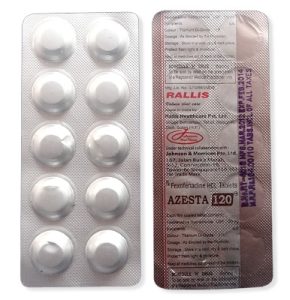
In brief
- In many pharmacies and online e-pharmacies you can buy allegra (fexofenadine) without a prescription (OTC in most countries for standard allergy strengths); available in-store and by mail order with standard discreet packaging and delivery options depending on your location.
- Allegra is used to treat allergic rhinitis (hay fever) and chronic idiopathic urticaria (hives); it is a non‑sedating histamine H1‑receptor antagonist (fexofenadine hydrochloride) that blocks peripheral H1 receptors to reduce itching, sneezing, runny nose and hives and does not significantly cross the blood–brain barrier.
- The usual doses are: adults/teens ≥12 years — 60 mg twice daily or 120–180 mg once daily; children 6–11 years — 30 mg twice daily (pediatric ODT or suspension); dosing may be adjusted lower in severe renal impairment and by physician judgement.
- Administer orally: film‑coated tablets (30, 60, 120, 180 mg), oral disintegrating tablets (30 mg), or oral suspension (30 mg/5 mL); follow dosing with water and use the formulation appropriate for age.
- Onset of effect is typically within about 1 hour, with many users noticing symptom relief within the first hour after dosing.
- Duration of action depends on dose: approximately 12 hours for 60 mg (twice‑daily regimen) and up to 24 hours for 120–180 mg once‑daily dosing.
- Avoid or use caution with alcohol—alcohol may increase drowsiness in some people even though fexofenadine is less sedating than first‑generation antihistamines; also avoid taking with fruit juices (apple, grapefruit, orange) as they can reduce absorption.
- The most common side effect is headache; other relatively common effects include drowsiness, dizziness, nausea, dry mouth and fatigue.
- Would you like to try allegra without a prescription?
Instructions, Warnings & Daily-Life Integration
Basic Allegra Information
- INN (International Nonproprietary Name): Fexofenadine (fexofenadine hydrochloride).
- Brand Names Available In United States: Allegra and Allegra ODT; marketed in tablet strengths and pediatric ODT and oral suspension forms.
- ATC Code: R06AX26.
- Forms & Dosages: Film-coated tablets 30 mg, 60 mg, 120 mg, 180 mg; oral suspension 30 mg/5 mL; oral disintegrating tablet (ODT) 30 mg for children.
- Manufacturers In United States: Sanofi-Aventis is the innovator brand; generic fexofenadine is supplied by multiple manufacturers.
- Registration Status In United States: FDA has approved Rx-to-OTC switches for select formulations.
- OTC / Rx Classification: Varies by formulation and country; most common adult dosages (60 mg and 120 mg) and many generics are available OTC in the US.
Quick User Instructions
Take the lowest effective dose that controls your symptoms.
Follow the package labeling or your clinician’s directions exactly.
Avoid fruit juices such as apple, grapefruit, and orange within one hour before or after dosing because they can reduce absorption.
Store tablets at 20–25°C (68–77°F) in their original packaging and protect oral suspension per the package insert.
If you miss a dose, take it when you remember unless the next dose is almost due.
Do not double up doses to make up for a missed one.
Overdose symptoms may include dizziness, drowsiness, or dry mouth.
Seek medical care immediately if you suspect an overdose.
Everyday Safety Warnings
Stop taking the medication and seek emergency care if you experience hives, facial swelling, or difficulty breathing.
People with known hypersensitivity to fexofenadine or any excipients should not take this drug.
Consult your clinician before use if you have severe renal impairment because dose reduction or monitoring may be needed.
Although fexofenadine is a second‑generation antihistamine with low central nervous system penetration, some users still report drowsiness or dizziness.
Avoid driving or operating heavy machinery until you know how Allegra affects you.
Avoid alcohol and other central nervous system depressants that could increase drowsiness.
Discuss use during pregnancy or breastfeeding with your healthcare provider and use only if clearly needed under medical advice.
Keep a travel-sized antihistamine card listing dose, allergy triggers, and emergency contact when you or a child travels.
Everyday Use & Best Practices
Morning Vs Evening Dosing
Decide when to dose based on when your symptoms peak.
Take Allegra in the morning if daytime sneezing, itchy eyes, or workday exposure triggers your allergies.
Take Allegra in the evening if nighttime itching or urticaria flares disrupt sleep.
Many adults use 60 mg twice daily or 120–180 mg once daily to control symptoms.
For twice‑daily regimens, space doses about 12 hours apart for steady symptom control.
If you find daytime functioning is the priority, a morning dose often works best.
Taking With Or Without Meals
Allegra can be taken with or without food.
Prefer water when dosing, especially with a meal.
Avoid fruit juices such as apple, grapefruit, and orange at and around dosing times because they reduce fexofenadine absorption.
If giving oral suspension to a child, use the measuring device that comes with the product to ensure accurate dosing.
Follow any refrigeration instructions on the suspension label.
Use phone alarms or a daily medication checklist when you are on a twice‑daily schedule.
Practical Tools
Keep a simple comparison table when discussing options with your provider: 60 mg twice daily versus 120 mg once daily.
Use a pill pack or phone reminders during allergy season to avoid missed doses.
For children, choose ODT or oral suspension options when swallowing tablets is difficult.
Create a compact wallet card showing pediatric dosing, allergy triggers, and emergency contact for caregivers.
Safety Priorities
Who Should Avoid It
Anyone with a known hypersensitivity to fexofenadine or any excipients must avoid this medicine.
Patients with severe renal impairment should consult a clinician because dose adjustments or monitoring may be required.
People with a prior severe allergic reaction to similar antihistamines should avoid fexofenadine unless advised by a specialist.
If you have a history of cardiac arrhythmia, discuss use with your prescriber, as rare case reports exist.
Pregnant or breastfeeding patients should weigh risks and benefits with their clinician before using Allegra.
Activities To Limit
Avoid driving or operating heavy machinery if you experience dizziness, drowsiness, or other CNS effects while taking Allegra.
Limit alcohol use during treatment because alcohol can increase drowsiness.
Avoid combining with other sedating antihistamines or CNS depressants unless your clinician advises it.
If you feel unusually tired, skip activities that require full alertness until symptoms clear.
Dosage & Adjustments
General Regimen
Adults and teens aged 12 years and older typically use 60 mg twice daily or 120–180 mg once daily for seasonal allergic rhinitis.
For chronic idiopathic urticaria in adults and teens 12 years and older, 60 mg twice daily or 180 mg once daily are common regimens.
Children 6–11 years usually receive 30 mg twice daily as an oral suspension or ODT.
Children aged 2–11 years with urticaria may also use 30 mg twice daily per label guidance.
No routine liver dose adjustment is necessary because fexofenadine is minimally metabolized hepatically.
In elderly patients, monitor renal function and use the lowest effective dose.
Special Cases
If symptoms persist on standard dosing for chronic urticaria, clinicians sometimes increase the dose under supervision.
Severe renal impairment requires extra caution and potential dose reduction because fexofenadine is primarily excreted unchanged.
If a dose is missed, take it as soon as you remember unless the next dose is imminent.
Never double a dose to make up for a missed one.
In case of overdose, watch for dizziness, drowsiness, and dry mouth, and seek immediate medical attention.
User Testimonials
Positive Reports
Many patients report quick relief of sneezing, itchy eyes, and runny nose within hours of taking Allegra.
Users commonly praise Allegra’s non‑sedating profile compared with older antihistamines like diphenhydramine.
Adults often search for and choose Allegra 180 mg when they need stronger single‑dose control during hay fever season.
Parents appreciate the Allegra ODT 30 mg and the oral suspension for easier dosing in children who cannot swallow tablets.
Common Challenges
Some people still report residual drowsiness or headaches while taking fexofenadine.
Incomplete control of nasal congestion is a common complaint because antihistamines are less effective for congestion than nasal corticosteroids.
Absorption issues can happen if Allegra is taken with fruit juice, which may lower its effectiveness.
Cost and brand versus generic choices influence satisfaction for many buyers.
Buying Guide
Pharmacy Sources
Allegra and generic fexofenadine are widely available over the counter in major pharmacy chains such as CVS, Walgreens, and Walmart.
Reputable online pharmacies also stock Allegra tablets, Allegra ODT, and pediatric oral suspension.
For children, check pediatric sections for Allegra ODT 30 mg or the 30 mg/5 mL oral suspension.
In our online pharmacy, allegra is available without a prescription, with discreet delivery to United States in 5-14 days.
Price Comparison
Generic fexofenadine products from manufacturers tend to be less expensive than brand Allegra and are therapeutically equivalent for most patients.
Compare unit price per tablet or per 5 mL of suspension when evaluating cost.
Be aware that Allegra‑D products contain pseudoephedrine and may be behind the counter with purchase restrictions.
Verify pharmacy credentials and expiration dates before buying from an online seller.
What’s Inside & How It Works
Ingredients Overview
The active ingredient is fexofenadine hydrochloride, the International Nonproprietary Name (INN) fexofenadine.
Available dosage forms include film‑coated tablets, oral suspension 30 mg/5 mL, and 30 mg oral disintegrating tablets for pediatric use.
Excipients vary by manufacturer and formulation, so check labels if you have sensitivities to fillers or dyes.
Mechanism Basics
Fexofenadine is a second‑generation H1‑receptor antagonist classified with ATC code R06AX26.
It works by blocking peripheral histamine H1 receptors to reduce itching, sneezing, and rhinorrhea.
The drug does not cross the blood–brain barrier significantly, which explains its lower sedation risk versus first‑generation antihistamines.
Because it is minimally metabolized by the liver and largely excreted unchanged, it has fewer metabolic drug–drug interactions but may accumulate in severe renal impairment.
Main Indications
Approved Uses
Fexofenadine is approved for seasonal allergic rhinitis (hay fever) and chronic idiopathic urticaria.
Adults and teens 12 years and older typically take 60 mg twice daily or 120–180 mg once daily for allergic rhinitis.
Children 6–11 years generally receive 30 mg twice daily via ODT or oral suspension for allergic symptoms.
For chronic idiopathic urticaria, recommended adult dosing includes 60 mg twice daily or 180 mg once daily.
Off‑Label Uses
Clinicians sometimes use fexofenadine off‑label for other histamine‑mediated itchy disorders when antihistamine therapy is appropriate.
It is not usually the first choice for severe nasal congestion alone; intranasal corticosteroids or combination therapy may be preferred.
Interaction Warnings
Food Interactions
Avoid fruit juices such as apple, orange, and grapefruit at and around dosing times because they can reduce fexofenadine absorption.
Drink water with the dose rather than juice to ensure reliable absorption.
Food itself does not require strict avoidance, though taking the tablet with water is preferred.
Drug Conflicts
Fexofenadine undergoes minimal hepatic metabolism, so it has fewer metabolic interactions than many drugs.
Be cautious with other central nervous system depressants, including alcohol and sedating antihistamines, because of additive drowsiness.
Allegra‑D products combine fexofenadine with pseudoephedrine and carry additional interaction and purchase considerations due to the sympathomimetic decongestant.
Always call your pharmacist if you are taking medications that affect renal clearance or transporter proteins that could alter drug levels.
Latest Evidence & Insights
Key Research Takeaways
Second‑generation antihistamines, including fexofenadine, are effective for histamine‑mediated symptoms with a favorable safety profile and low sedation risk.
Regulatory actions such as FDA Rx‑to‑OTC switches for selected formulations reflect established efficacy and safety for many users.
Guidelines for chronic urticaria support up‑dosing antihistamines under medical supervision when standard doses fail.
Practical Implications For Patients
Monitor symptom control over a few weeks and consult your clinician if symptoms persist despite correct dosing.
If one second‑generation antihistamine is ineffective, switching to another such as cetirizine or loratadine may help patient response.
Many patients prioritize non‑sedating options like Allegra to maintain daytime functioning during allergy season.
Alternative Choices
Other Antihistamines
Alternatives include cetirizine, loratadine, desloratadine, and levocetirizine.
Cetirizine can cause more drowsiness in some people, while loratadine is typically non‑sedating for most users.
Choose based on onset, potency, cost, and personal response.
When To Consider Switching
Consider changing antihistamines if you have inadequate symptom control after correct dosing, or if you experience troublesome side effects like unexpected sedation or persistent headaches.
For significant nasal congestion not relieved by antihistamines, add or switch to an intranasal steroid or consider a decongestant option such as Allegra‑D if appropriate and legally available.
Regulation Snapshot
Approval & OTC Status
Regulatory classification for fexofenadine varies by formulation and country.
In the United States, the FDA has approved Rx‑to‑OTC switches for select fexofenadine formulations.
Most common Allegra dosages such as 60 mg and 120 mg are OTC in many regions, while some pediatric or higher‑dose formulations may still require a prescription depending on local rules.
Manufacturer & Global Availability
Sanofi‑Aventis is the main innovator for Allegra globally.
Generic manufacturers and suppliers include Medichem, Cipla, Mylan, Sandoz, and others in regional markets.
Trade names around the world include Allegra, Telfast, and local variants.
FAQ Section
Top Patient Questions
Can I take Allegra every day during allergy season?
Yes. Adults commonly take 60 mg twice daily or 120–180 mg once daily during ongoing seasonal exposure.
Is Allegra sedating?
Allegra is a non‑sedating second‑generation antihistamine with a lower risk of drowsiness, but some users may still feel sleepy.
Can children use Allegra?
Yes. Pediatric forms include ODT 30 mg and oral suspension 30 mg/5 mL with age‑based dosing guidelines.
What if I accidentally take fruit juice with my dose?
If you take juice near the dose, reduced absorption can occur; monitor symptoms and consult your pharmacist if control seems worse.
Guidelines For Proper Use
Practical Checklist
- Confirm no known allergy to fexofenadine or excipients.
- Choose the appropriate form by age: tablet, ODT, or suspension.
- Follow labeled dosing: adults 60 mg BID or 120–180 mg QD; children 6–11 years 30 mg BID.
- Store at 20–25°C (68–77°F) in original packaging.
- Avoid fruit juices around dosing times.
- Track a symptom diary for 2–4 weeks to assess response.
- Consider generic alternatives to lower cost when appropriate.
When To Seek Medical Help
Seek immediate care for signs of a severe allergic reaction to the medication.
Contact your clinician for persistent uncontrolled allergy symptoms despite correct dosing.
Report any new or worsening cardiac symptoms or signs of overdose such as severe dizziness or pronounced drowsiness.
If you are pregnant or breastfeeding, consult your healthcare provider before starting fexofenadine.
Delivery Across United States
| City | Region | Delivery Time |
|---|---|---|
| New York City | New York | 5-7 days |
| Los Angeles | California | 5-7 days |
| Chicago | Illinois | 5-7 days |
| Houston | Texas | 5-7 days |
| Phoenix | Arizona | 5-7 days |
| Philadelphia | Pennsylvania | 5-7 days |
| San Antonio | Texas | 5-7 days |
| San Diego | California | 5-7 days |
| Dallas | Texas | 5-7 days |
| San Jose | California | 5-7 days |
| Austin | Texas | 5-9 days |
| Jacksonville | Florida | 5-9 days |
| San Francisco | California | 5-9 days |
| Columbus | Ohio | 5-9 days |
| Fort Worth | Texas | 5-9 days |