
Antiallergic
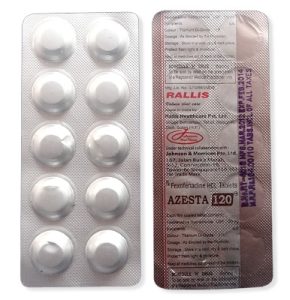
Allegra
from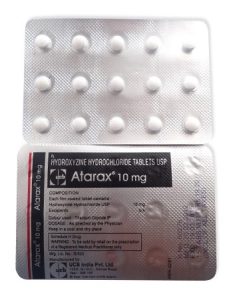
Atarax
from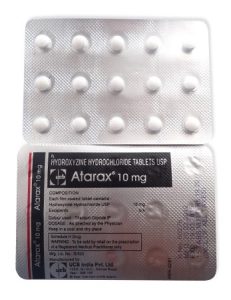
Hydroxyzine
from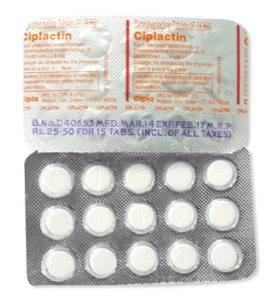
Periactin
from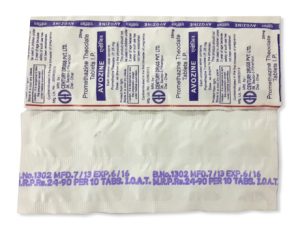
Phenergan
from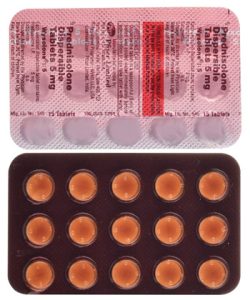
Prednisolone
from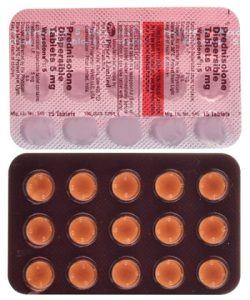
Prelone
from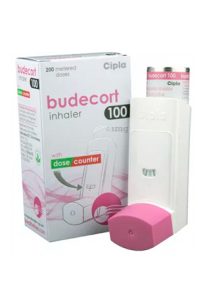
Rhinocort
fromUnderstanding Allergies and Antiallergic Medications
Allergies affect millions of Americans each year, causing uncomfortable symptoms that range from mild to severe. When your immune system overreacts to a harmless substance like pollen, pet dander, or dust mites, it releases chemicals called histamines. These histamines trigger the familiar symptoms of allergies: sneezing, itching, watery eyes, and congestion. Antiallergic medications work by blocking histamine production or preventing histamine from attaching to cells in your body. These medications can significantly improve your quality of life by reducing allergy symptoms and allowing you to enjoy outdoor activities without discomfort. Understanding how antiallergic drugs work helps you choose the right treatment for your specific allergy needs and symptoms.
Oral Antihistamines
Oral antihistamines are among the most popular and accessible antiallergic medications available in the United States. These medications come in tablet, capsule, and liquid forms, making them convenient for daily use. First-generation antihistamines like Benadryl (diphenhydramine) and Chlor-Trimeton (chlorpheniramine) work quickly but often cause drowsiness. Second-generation antihistamines are newer formulations designed to be less sedating while remaining effective.
Common second-generation oral antihistamines include Allegra (fexofenadine), Claritin (loratadine), Zyrtec (cetirizine), and Xyzal (levocetirizine). These medications are available over-the-counter without a prescription and typically take effect within 30 minutes to an hour. Many people find that taking a non-drowsy antihistamine in the morning provides all-day relief from allergy symptoms. Prescription options like Clarinex (desloratadine) and Atarax (hydroxyzine) are also available for more severe allergies. Most oral antihistamines can be taken once or twice daily depending on the specific medication and your symptoms.
Nasal Antiallergic Treatments
Nasal antiallergic sprays and solutions provide targeted relief directly where many allergy symptoms occur. Antihistamine nasal sprays like Astelin (azelastine) and Patanase (olopatadine) work quickly to reduce nasal congestion, sneezing, and itching. These sprays are particularly effective for people who experience nasal symptoms as their primary allergy complaint.
Corticosteroid nasal sprays represent another important category of nasal antiallergic treatments. Flonase (fluticasone), Nasacort (triamcinolone), and Nasonex (mometasone) are popular options available over-the-counter or by prescription. These sprays reduce inflammation in the nasal passages and provide longer-lasting relief than antihistamine sprays alone. Many people use nasal corticosteroid sprays as their primary allergy treatment. Saline nasal drops and sprays offer a drug-free option to rinse away allergens and mucus from nasal passages. For best results, nasal sprays should be used regularly during allergy season, and most work best when applied before exposure to known allergens.
Topical Antiallergic Medications
Topical antiallergic treatments are applied directly to affected areas of the skin or eyes to provide localized relief. Antihistamine eye drops like Zaditor (ketotifen) and Alomide (lodoxamide) quickly soothe itchy, watery eyes caused by allergies. These drops provide fast relief and can be used multiple times daily as needed. Decongestant eye drops offer additional relief from redness and puffiness around the eyes.
Topical corticosteroid creams and ointments treat allergic skin reactions, eczema flare-ups, and contact dermatitis. Hydrocortisone cream is available over-the-counter and suitable for mild skin allergies. Stronger prescription options like Elidel (pimecrolimus) and Protopic (tacrolimus) are used for more severe cases. These topical treatments work by reducing inflammation and itching at the site of application. Many people find that combining oral antihistamines with topical treatments provides the most comprehensive allergy relief. Topical medications are particularly useful for localized allergic reactions and can be applied as often as needed.
Decongestants and Combination Products
Decongestants help relieve nasal congestion that often accompanies allergies by constricting blood vessels in the nasal passages. Pseudoephedrine, found in Sudafed and similar products, is available over-the-counter but may require presentation of identification at the pharmacy. Phenylephrine is another common decongestant found in many combination products. These medications work quickly but should not be used for extended periods, as prolonged use can lead to rebound congestion.
Many popular antiallergic products combine antihistamines with decongestants for comprehensive symptom relief. Allegra-D combines fexofenadine with pseudoephedrine, while Claritin-D combines loratadine with pseudoephedrine. Zyrtec-D offers cetirizine with pseudoephedrine. These combination products are particularly helpful during peak allergy season when multiple symptoms occur simultaneously. Some combination products also include pain relievers for people experiencing sinus headaches. It’s important to note that combination products may not be suitable for everyone, particularly those with certain health conditions or taking other medications. Always check the ingredient list and speak with a pharmacist before using combination products.
Specialty Antiallergic Options and Prevention
For severe or resistant allergies, stronger prescription options are available. Leukotriene inhibitors like Singulair (montelukast) work differently than antihistamines by blocking inflammatory chemicals called leukotrienes. These medications are particularly effective for allergy-related asthma. Immunotherapy treatments, including allergy shots and sublingual tablets, help desensitize your immune system to specific allergens over time, potentially providing long-term relief.
Prevention strategies work alongside antiallergic medications to minimize allergy symptoms. During allergy season, consider implementing these helpful strategies:
- Install HEPA filters in your home to remove airborne allergens
- Clean your home regularly to reduce dust and pet dander accumulation
- Keep windows closed and use air conditioning during high pollen seasons
- Take a shower and change clothes after spending time outdoors to remove allergens
- Wash bedding frequently in hot water to prevent dust mites and pet allergens
- Start antiallergic medications before allergy season begins for better symptom control
- Consult with an allergist to identify specific allergen triggers
Many people find that starting antiallergic medications before allergy season begins provides better symptom control throughout the season. Consulting with an allergist can help identify your specific allergen triggers and develop a personalized treatment plan combining appropriate medications with prevention strategies for optimal relief and improved quality of life.