Periactin
In brief
- Periactin (cyproheptadine) can be bought in pharmacies in many countries—often over-the-counter (no prescription) in places like Australia and India—while in other regions such as the USA and much of the EU it is typically prescription-only; availability also varies by online retailers and local regulations, so check your local pharmacy.
- Periactin is used for allergic conditions (histamine-mediated symptoms) and off-label for appetite stimulation and migraine prevention; it is a first-generation antihistamine (H1 receptor antagonist) with anticholinergic and antiserotonergic (5-HT) activity that reduces allergic symptoms and can increase appetite.
- Usual adult doses are 4 mg (one tablet) three times daily for allergies; for appetite stimulation adults commonly take 2–4 mg up to three times daily; pediatric dosing is typically 2 mg (half a 4 mg tablet or appropriate syrup volume) two to three times daily for children ≥2 years—do not use in infants under 2 years without specialist advice.
- Administered orally as tablets (commonly 4 mg) or syrup (commonly 2 mg/5 mL).
- Effect typically begins within about 15–60 minutes after an oral dose.
- Duration of action is generally around 4–6 hours, though sedative effects can last longer in some patients.
- Do not drink alcohol while taking Periactin; alcohol can increase sedation and impair coordination and cognition.
- The most common side effect is drowsiness; other frequent effects include dry mouth, dizziness, increased appetite/weight gain, and in some patients urinary retention or confusion (especially elderly).
- Would you like to try periactin without a prescription?
Basic Periactin Information
- INN (International Nonproprietary Name): Cyproheptadine.
- Brand Names Available In United States: Marketed as cyproheptadine generics by Teva and Boscogen, Inc.; Periactin is the internationally recognized brand but US supplies are mainly generic cyproheptadine products.
- ATC Code: R06AX02.
- Forms & Dosages: Tablets 4 mg (common branded and generic presentations) and syrup 2 mg per 5 mL (commonly supplied in 120 mL bottles).
- Manufacturers In United States: Teva and Boscogen, Inc. are listed US suppliers for cyproheptadine products.
- Registration Status In United States: Approved generics and originator Periactin have FDA listings; products are distributed as prescription medicines.
- OTC / Rx Classification: In the United States cyproheptadine is prescription-only (Rx); in some other countries such as Australia and India it may be available OTC for selected uses.
Everyday Use & Best Practices
Morning Vs Evening Dosing
What time of day should you take Periactin for best results and least disruption?
The common adult allergic dose is 4 mg (one Periactin tablet) three times a day.
Appetite-stimulation regimens often use 2–4 mg up to three times daily, individualized per clinician guidance.
If drowsiness is a problem, take the largest daily dose in the evening to reduce daytime sedation.
For migraine prevention (off-label) dosing is often similar but should be tailored with a clinician.
Taking With Or Without Meals
Cyproheptadine can be taken with or without food.
If nausea occurs, take doses with meals to improve tolerability.
When using the syrup (2 mg/5 mL) measure doses precisely with the provided dosing device.
Practical Daily-Life Tips
- Set phone alarms for three-times-a-day dosing or link doses to meals to avoid missed doses.
- If sedation occurs, move the largest dose to bedtime and avoid driving until you know effects.
- Use a simple checklist for your daily dosing schedule and refer to the dose-by-age table below.
| Age Group | Typical Dose |
|---|---|
| Adults | 4 mg (1 tablet) three times daily |
| Children ≥2 Years | 2 mg (½ tablet) two to three times daily |
Patient Safety Note: Do not double doses after a missed dose.
Store below 25°C (77°F) in the original packaging.
Safety Priorities
Who Should Avoid It
Who must not take cyproheptadine?
Absolute contraindications include allergy to cyproheptadine or excipients.
Do not use in newborns or premature infants, or during an acute asthmatic attack.
Avoid in angle-closure glaucoma and bladder neck obstruction.
Recent or concurrent MAOI use (within 14 days) is an absolute contraindication.
Avoid use in infants under two years of age.
Use during pregnancy or lactation only after a careful risk–benefit discussion with a clinician.
Activities To Limit
Which activities should be limited while taking cyproheptadine?
- Avoid driving or operating heavy machinery until you know how drowsiness affects you.
- Limit alcohol and other central nervous system depressants while taking the medicine.
- Older adults should take extra care due to higher risk of confusion and delirium.
Safety Tools
Use a checklist for contraindications before starting the medicine.
Carry a short printable warning card listing drowsiness, anticholinergic risks, and MAOI contraindication for clinic visits.
Monitoring Tips
Discuss dose adjustments and monitoring with your clinician if you have hepatic or renal impairment, prostatic hypertrophy, or a history of seizures.
Dosage & Adjustments
General Regimen
What are standard dosing rules for allergy and pediatric use?
Standard adult allergic regimen is 4 mg (one Periactin tablet) three times daily.
Pediatric dosing for children aged two years and older often starts at 2 mg (½ tablet) two to three times daily.
Do not use cyproheptadine in infants under two years.
Syrup form is 2 mg per 5 mL—measure precisely with the dosing device provided.
Special Cases
Elderly patients should start at the low end of the adult range and titrate cautiously because of CNS effects.
Patients with liver or kidney impairment should receive lower initial doses and closer monitoring.
For appetite stimulation or migraine prophylaxis (off-label) dosing often mirrors allergic regimens but must be individualized by a specialist.
Dose Adjustment Checklist
- Confirm age category (pediatric versus elderly).
- Review hepatic and renal function before prescribing.
- Check for concomitant CNS depressants and MAOI history.
- Evaluate clinical response after 2–6 weeks for appetite stimulation trials.
| Indication | Quick Dose Reference |
|---|---|
| Allergy (Adult) | 4 mg three times daily |
| Appetite Stimulation | 2–4 mg up to three times daily (individualized) |
User Testimonials
Positive Reports
Are patients noticing real benefits with Periactin?
Many patients report effective short-term relief of allergic symptoms with cyproheptadine.
Clinicians and anecdotal reports often cite Periactin for pediatric failure-to-thrive and adult cachexia with measurable appetite increases within days to weeks.
Some users document steady weight gain and improved meal intake on a 2–6 week trial.
Common Challenges
What problems do users commonly report?
- Daytime drowsiness and dry mouth are frequently mentioned.
- Some children show paradoxical hyperactivity rather than sedation.
- Occasional reports of weight gain beyond desired amounts have been described.
How To Read Testimonials
Look for clear details on dose, timing, and duration when evaluating real-world reports.
| Reported Benefit | Common Side Effects |
|---|---|
| Increased appetite within days | Drowsiness, dry mouth |
| Allergy symptom relief | Occasional paradoxical excitement in children |
Practical Suggestion: Try a 2–6 week monitored trial with weight and appetite logs and clinician follow-up.
Buying Guide
Pharmacy Sources
Where can you obtain Periactin or cyproheptadine?
In the United States cyproheptadine and originator Periactin are available by prescription.
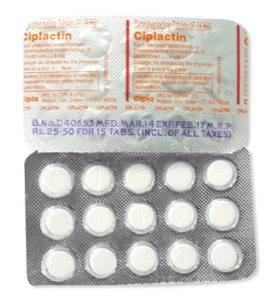
Brand names in other countries include Periactin (Australia, India, UK), Ciplactin (India), and Ciproheptadina (Latin America/Spain).
Syrup is commonly packaged in 120 mL bottles in US and EU markets.
Price Comparison
Prices vary by brand, formulation, and country.
Generics from manufacturers like Teva are often less costly than branded Periactin.
In countries where it is OTC (Australia, India) costs can be lower and access easier.
Buying Tips
- Verify packaging identifiers such as tablet markings—Periactin tablets in Australia may show “P4”.
- Buy only from licensed pharmacies and follow prescription requirements where applicable.
| Brand | Common Country | Typical Pack Size |
|---|---|---|
| Periactin | Australia, India, UK | Box of tablets (4 mg, 30 tablets) |
| Cyproheptadine (generic) | USA | Bottles/tablets, syrup 120 mL |
| Ciplactin | India | Blister packs |
Note: In our online pharmacy, periactin is available without a prescription with discreet delivery to United States in 5-14 days.
What’s Inside & How It Works
Ingredients Overview
What is the active ingredient and what forms exist?
The active ingredient is cyproheptadine, commonly supplied as cyproheptadine hydrochloride in tablets (4 mg) and syrup (2 mg per 5 mL).
Excipients vary by brand—always check the package insert for potential allergies to inactive ingredients.
Mechanism Basics
How does cyproheptadine produce effects on allergy and appetite?
Cyproheptadine is a first-generation antihistamine (ATC R06AX02) with anticholinergic and anti-serotonergic properties.
Central H1 blockade explains its antihistamine and sedative effects.
Anti-serotonergic activity contributes to appetite stimulation in some patients.
| Mechanism | Common Effect |
|---|---|
| H1 Antagonism | Allergy relief; sedation |
| Anti-Serotonergic | Appetite stimulation (off-label uses) |
| Anticholinergic | Dry mouth, urinary retention |
Safety Reminder: Anticholinergic actions explain dry mouth, urinary retention, and the need for caution in glaucoma and prostatic hypertrophy.
Main Indications
Approved Uses
What is cyproheptadine approved for?
Periactin/cyproheptadine is approved as a systemic antihistamine for allergic reactions.
Typical adult dosing for allergy is 4 mg three times daily.
Registration and availability vary by country; for example, Periactin is registered in Australia (AUST R 62384).
Off-Label Uses
Which off-label uses are commonly seen in practice?
Off-label uses include appetite stimulation for pediatric failure-to-thrive and adult cachexia, and migraine prophylaxis in selected patients.
These off-label uses require clinician oversight because of side effect risks and limited large-scale trial data.
| Indication | Typical Dose | Evidence Strength | Monitoring Needs |
|---|---|---|---|
| Allergy | 4 mg three times daily | Established | Symptom control |
| Appetite Stimulation | 2–4 mg up to three times daily | Limited/clinical experience | Weight/appetite logs |
| Migraine Prophylaxis (off-label) | 4 mg up to three times daily (per specialist) | Limited/off-label | Headache diary |
Contraindication Note: Avoid use during acute asthmatic attacks and in patients on MAOIs.
Interaction Warnings
Food Interactions
Are there food issues to worry about with cyproheptadine?
No major food interactions are documented, though taking doses with food can reduce nausea.
Alcohol and other central nervous system depressants potentiate sedation and should be avoided or minimized.
Drug Conflicts
What medications interact importantly with cyproheptadine?
Concurrent or recent MAOI use (within 14 days) is an absolute contraindication.
CNS depressants such as benzodiazepines, opioids, antipsychotics, and other antihistamines produce additive sedation and anticholinergic effects.
Use caution with drugs that affect hepatic metabolism and adjust dosing if hepatic impairment is present.
Practical Safety Layout
- Review current medicines for MAOIs before starting cyproheptadine.
- Watch for new urinary retention, severe confusion, visual disturbances, or signs of toxicity and call a clinician if these occur.
When To Call Your Clinician: New urinary retention, severe confusion, visual changes, or suspected serotonin/anticholinergic toxicity require urgent evaluation.
Latest Evidence & Insights
What does current clinical evidence say about cyproheptadine?
Cyproheptadine remains a valid first-generation antihistamine with established use for allergic symptoms and recognized off-label applications.
Evidence for appetite stimulation is drawn mainly from case reports, clinical experience, and smaller studies rather than large randomized controlled trials.
Research interest continues in safer appetite agents and comparing sedating first-generation antihistamines with second-generation, non-sedating alternatives.
Practical Implication: For allergy relief where sedation is undesirable, consider second-generation options such as loratadine, cetirizine, or fexofenadine.
| Indication | Evidence Level |
|---|---|
| Allergy | Established |
| Appetite Stimulation | Limited to Moderate Clinical Evidence |
| Migraine Prophylaxis | Limited/Off-Label |
Alternative Choices
What are practical alternatives if Periactin is unsuitable?
For allergic symptoms with less sedation, second-generation antihistamines such as loratadine, cetirizine, and fexofenadine are preferred.
For short-term sedation needs other first-generation options include diphenhydramine, but that carries higher sedation and anticholinergic burden.
Appetite stimulation alternatives are limited; consult a nutritionist and clinician about dietary strategies and specialist-prescribed pharmacologic agents.
- Allergic Symptoms: loratadine, cetirizine, fexofenadine.
- Short-Term Sedation: diphenhydramine (use cautiously).
- Appetite Issues: dietary interventions and specialist input.
| Option | Efficacy For Allergy | Sedation Risk | Regulatory Status (US) |
|---|---|---|---|
| Cyproheptadine (Periactin) | Good | Moderate–High | Prescription |
| Loratadine | Good | Low | OTC |
| Fexofenadine | Good | Very Low | OTC |
If switching agents, plan timing and possible overlap with a clinician to avoid uncontrolled symptoms.
Regulation Snapshot
How is cyproheptadine regulated around the world?
Cyproheptadine (INN) is sold globally under Periactin and multiple other brand names with country-specific legal classifications.
In Australia Periactin is registered with the TGA (AUST R 62384).
In India it is manufactured widely and may be OTC or prescription depending on the indication and local rules.
In the United States cyproheptadine products are distributed as prescription-only with FDA listings for approved generics and originator products.
| Country | Legal Class | Typical Brand Examples |
|---|---|---|
| United States | Prescription (Rx) | Cyproheptadine (Teva, Boscogen) |
| Australia | OTC/Rx (varies) | Periactin (Viatris) |
| India | OTC/Rx (varies) | Periactin, Ciplactin |
Packaging Notes: Tablets typically 4 mg; syrup commonly 2 mg per 5 mL in 120 mL bottles.
Storage: Store below 25°C (77°F) and protect from moisture.
FAQ Section
Quick Q&A
- Q: Is Periactin the same as cyproheptadine? A: Yes, Periactin is a brand name; the active ingredient is cyproheptadine.
- Q: How long until appetite increases? A: Some users notice appetite within days; assess response formally after 2–6 weeks.
- Q: Can I drive on it? A: Avoid driving until you know how drowsiness affects you.
- Q: Is it OTC? A: It depends by country—OTC in Australia and India for some uses; prescription-only in the USA and most of the EU.
When To Call A Clinician
Contact a clinician if you experience severe anticholinergic effects such as urinary retention or marked confusion, severe skin reaction, or suspected overdose with CNS depression or excitation.
Include links to your product insert or local prescribing information for dose specifics where needed.
Guidelines For Proper Use
Starting And Stopping Safely
What checks should be done before starting treatment?
Before starting, screen for absolute contraindications including allergy, newborn status, acute asthma, angle-closure glaucoma, bladder neck obstruction, and recent MAOI use.
List all current medications to screen for interactions.
Start at the lowest effective dose: adults commonly 4 mg three times daily; children usually 2 mg two–three times daily for those aged ≥2 years.
Monitoring And Follow-Up
For appetite stimulation document baseline weight and appetite, then reassess at 2–6 weeks.
Monitor for drowsiness, dry mouth, urinary retention, visual changes, and mood/behavior changes, especially in children and elderly patients.
Practical Tools: Use a printable checklist for contraindications, a dosing schedule table, and a weekly symptom and weight log.
| Item | Action |
|---|---|
| Before Starting | Contraindication checklist and medication review |
| During Treatment | Weekly weight/appetite log for appetite trials; monitor sedation |
| Stopping | Gradual reassessment; stop if severe side effects occur |
Storage Reminder: Keep medication below 25°C in the original packaging and avoid moisture.
Delivery Across United States
| City | Region | Delivery Time |
|---|---|---|
| New York | New York | 5-7 days |
| Los Angeles | California | 5-7 days |
| Chicago | Illinois | 5-7 days |
| Houston | Texas | 5-7 days |
| Phoenix | Arizona | 5-7 days |
| Philadelphia | Pennsylvania | 5-7 days |
| San Antonio | Texas | 5-7 days |
| San Diego | California | 5-7 days |
| Dallas | Texas | 5-7 days |
| San Jose | California | 5-7 days |
| Austin | Texas | 5-7 days |
| Jacksonville | Florida | 5-7 days |
| Boise | Idaho | 5-9 days |
| Des Moines | Iowa | 5-9 days |
| Charleston | South Carolina | 5-9 days |