Hydroxyzine
In brief
- Hydroxyzine can be purchased through pharmacies in many countries, and in some online pharmacy settings it may be available without a prescription; however, it is prescription-only in most regulated markets such as the US, EU, and many other countries. Availability, brand names, and packaging vary by country.
- Hydroxyzine is used for allergy symptoms, itching (pruritus), anxiety, and sometimes short-term sleep or pre-procedure sedation. It is a first-generation antihistamine that works by blocking histamine H1 receptors and also has sedating, anxiolytic, and anticholinergic effects.
- The usual adult dose depends on the indication: for itching, 25 mg by mouth 2 to 3 times daily; for anxiety, 50 to 100 mg per day in divided doses; and for sedation, 25 to 50 mg at bedtime or 50 to 100 mg as a single pre-op dose. Doses should be lower in children, older adults, and people with kidney or liver problems.
- Hydroxyzine is available as tablets, capsules, syrup/oral solution, and injectable formulations.
- Hydroxyzine usually starts working within about 15 to 60 minutes after oral use, with sedating effects often noticed fairly quickly.
- The duration of action is typically about 4 to 6 hours for many effects, though some sedation may last longer depending on the dose and the person.
- Do not drink alcohol while taking hydroxyzine, because alcohol can significantly increase drowsiness, dizziness, and impaired coordination.
- The most common side effects are drowsiness, sedation, dry mouth, fatigue, blurred vision, constipation, nausea, and sometimes dizziness.
- Would you like to try hydroxyzine without a prescription?
Basic Hydroxyzine Information
- INN (International Nonproprietary Name): Hydroxyzine
- Brand Names Available In United States: Vistaril
- ATC Code: N05BB01
- Forms & Dosages: Tablets 10 mg, 25 mg, 50 mg; capsules 25 mg, 50 mg; syrup or solution 2 mg/mL; injectable 25 mg/mL, 50 mg/mL
- Manufacturers In United States: Pfizer
- Registration Status In United States: Approved by the US FDA as Vistaril and generics, prescription only
- OTC / Rx Classification: Prescription-only (Rx) in nearly all markets
How Hydroxyzine Fits Into Everyday Use
Wondering whether hydroxyzine should be taken in the morning, at night, or with food?
That is usually the first thing people ask after they pick up hydroxyzine tablets or hydroxyzine capsules from the pharmacy.
This first-generation antihistamine is often scheduled around the symptom it is meant to control, whether that is itching, anxiety, or pre-procedure calming.
If drowsiness is the biggest issue, many clinicians prefer a bedtime dose.
When itching or anxiety needs coverage during the day, the dose may be split.
The key point is simple: follow the prescribed dosing routine exactly and do not “catch up” with extra doses if one is missed.
Hydroxyzine can usually be taken with or without meals.
If your stomach feels upset, taking it with food or a snack may help.
A practical daily routine can make a big difference.
- Set phone alarms for each dose.
- Link the dose to an anchor habit, like brushing teeth or a bedtime routine.
- Check the label for hydroxyzine hydrochloride or hydroxyzine pamoate, since the product name can affect the form and strength.
- Keep the bottle in the original container so the strength stays easy to verify.
Safety Priorities You Should Know First
Is hydroxyzine a good option for everyone?
No medication is, and hydroxyzine side effects matter more in certain people.
Because hydroxyzine can affect the heart rhythm and the central nervous system, some patients should avoid it or use it only with close medical guidance.
- Avoid hydroxyzine if there is a personal or family history of QT prolongation.
- Avoid hydroxyzine if there is a known allergy to hydroxyzine, cetirizine, or levocetirizine.
- Avoid in early pregnancy, especially the first trimester.
- Use extra caution in severe hepatic dysfunction.
- Use extra caution in older adults, frail patients, and anyone with glaucoma, urinary retention, myasthenia gravis, or an enlarged prostate.
Hydroxyzine drowsiness is one of the most common reasons people feel it working “too strongly.”
That same sedation is also why driving, alcohol, cannabis, and other sedatives should usually be avoided unless a clinician specifically says otherwise.
Pause before you plan work shifts, childcare, or night driving, because slowed reaction time and blurred vision can make those tasks unsafe.
Dosage And Adjustments
How much hydroxyzine is typical?
The answer depends on the reason it was prescribed and the product strength.
Common tablet strengths include 10 mg, 25 mg, and 50 mg, and the lowest effective dose is usually preferred.
| Use | Typical Adult Dose | Max Daily Dose |
|---|---|---|
| Itching | 25 mg two to three times daily | 100 mg |
| Anxiety | 50 to 100 mg/day in divided doses | 100 mg |
| Sleep-related off-label use | 25 to 50 mg at bedtime | Not specified |
| Pre-op sedation | 50 to 100 mg as a single adult dose | Not specified |
For pediatric hydroxyzine dose decisions, age and weight matter more than a one-size-fits-all number.
Children under 6 months old should not use it.
Older adults may need a lower starting dose because they are more sensitive to sedation, anticholinergic effects, and cardiac effects.
People with kidney or liver impairment may also need dose reduction and monitoring, since altered metabolism can increase exposure.
Special note: short-term use is usually preferred for days to a few weeks when symptoms are temporary, and long-term use should be reassessed if the problem persists.
What Patients Commonly Report
What do people actually notice after starting hydroxyzine for anxiety, itching, or sleep?
Most patient reports focus on whether the medicine calms them down quickly enough to be useful in real life.
| Common Positive Reports | Common Challenges |
|---|---|
| “My itching settled down enough to sleep.” | Next-day grogginess |
| “I felt calmer within the same evening.” | Dry mouth |
| “It helped me fall asleep faster.” | Blurred vision or constipation |
| “It took the edge off my anxiety.” | Feeling sedated more than expected |
Hydroxyzine reviews often mention that the medicine works well, but sometimes “works too well” for sedation.
That experience varies by dose, timing, age, and other medications, so one person’s good sleep aid may be another person’s daytime nuisance.
How To Buy Hydroxyzine Safely
Can hydroxyzine be bought online in the United States?
In the U.S., hydroxyzine is prescription-only, so it should be purchased through a licensed pharmacy with a valid prescription.
Common U.S. branding includes Vistaril, and generic hydroxyzine prescription products are also available.
When comparing prices, look at the cash price, insurance copay, and any pharmacy discount program before you order.
Capsules, tablets, and syrup may differ in convenience and price, so check the exact strength and quantity on the label.
For people comparing access options, our online pharmacy offers hydroxyzine without a prescription, with discreet delivery to the United States in 5 to 14 days.
| Option | What To Check | Practical Note |
|---|---|---|
| Licensed pharmacy | Prescription, strength, quantity | Best for U.S. compliance |
| Generic hydroxyzine | Hydroxyzine hydrochloride or pamoate | Often lower cost |
| Vistaril | Brand pricing, form, stock | Capsules and syrup are common |
What Is Inside And How It Works
What exactly is hydroxyzine, and why does it make people sleepy?
The active ingredient is hydroxyzine, sold as hydroxyzine hydrochloride or hydroxyzine pamoate depending on the product.
Common forms include tablets, capsules, syrup or oral solution, and injectable forms used in hospital settings.
| What It Is | What It Does |
|---|---|
| First-generation antihistamine | Blocks histamine H1 receptors |
| Anxiolytic and antipruritic medicine | Helps reduce itching and may calm anxiety |
| Sedating medication | Can make sleep easier, but also causes drowsiness |
Hydroxyzine mechanism basics are straightforward.
As a first-generation antihistamine, it blocks H1 receptors and has sedating, anxiolytic, and antipruritic effects.
That means less itching, possible calming, and more sleepiness.
It is classified under ATC code N05BB01 as an anxiolytic in the piperazine derivative group.
Main Uses And Why People Ask For It
Why do patients ask for hydroxyzine for allergies, anxiety, or sleep when other antihistamines exist?
Usually because they want fast symptom relief and are willing to trade some alertness for comfort.
- Approved uses: itching or pruritus, anxiety, and pre-operative sedation.
- Also used for: allergy symptoms when appropriate.
- Common off-label use: sleep support at bedtime.
Hydroxyzine for itch is a common reason it is prescribed in urgent care and primary care settings.
Hydroxyzine for anxiety is another standard use, especially when short-term symptom control is the goal.
Hydroxyzine for sleep is off-label, which simply means it is not the primary approved indication.
Off-label does not mean risk-free, so the shortest duration possible is still the sensible approach.
Interaction Warnings That Matter Most
Can you take hydroxyzine with food, alcohol, or other medications?
Food is usually not a major concern, but alcohol is.
Alcohol and hydroxyzine together can increase sedation, and the same warning applies to other central nervous system depressants.
| Combination | Risk Level | Practical Guidance |
|---|---|---|
| Alcohol | Avoid | Can increase drowsiness and slow reactions |
| Sleep medicines or benzodiazepines | Ask pharmacist | May compound sedation |
| Opioids | Ask pharmacist | Higher risk of excessive CNS depression |
| Antipsychotics or other QT-prolonging drugs | Ask clinician | May increase cardiac risk |
Hydroxyzine interactions are especially important if you already take medicines that can prolong QT or make you sleepy.
That includes many sedatives, some antipsychotics, and certain other prescription drugs.
Sharing a full medication list, including OTC sleep aids and supplements, helps a pharmacist spot problems before they start.
Latest Evidence And Practical Prescribing Insights
What has changed in the way clinicians think about hydroxyzine?
The biggest modern focus is cardiac safety, especially QT prolongation and the rare risk of torsades de pointes.
That concern is stronger in older adults, polypharmacy, overdose, and people with pre-existing heart issues.
Current practice keeps the dose as low as possible and avoids stacking risk factors when another option will do the job.
| Evidence Focus | Practical Takeaway |
|---|---|
| QT prolongation risk | Use the lowest effective dose |
| Older adults and polypharmacy | Be extra cautious with other sedating or QT-prolonging drugs |
| Ongoing usefulness | Still helpful when fast relief is needed |
Clinicians may choose alternatives when sedation or cardiac risk is a concern, but hydroxyzine remains a familiar option for short-term symptom relief.
Alternative Choices When Hydroxyzine Is Not The Best Fit
What if daytime alertness matters more than sedation?
For allergy symptoms, less sedating choices are often better than hydroxyzine.
| Alternative | Best For | Key Difference |
|---|---|---|
| Cetirizine | Allergy symptoms | Less sedating than hydroxyzine |
| Loratadine | Daytime allergies | Usually easier for alertness |
| Levocetirizine | Allergy symptoms | Less sedating option |
| Diphenhydramine | Stronger sedation | Also causes drowsiness and side effects |
| Promethazine | Stronger sedation or nausea-related use | Not automatically safer |
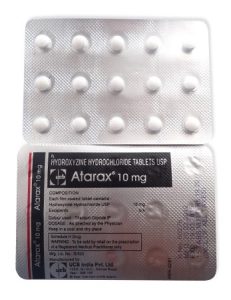
Vistaril vs Atarax comes down to branding and market availability more than a different active ingredient, since both refer to hydroxyzine products in different regions.
When less sedation is better, cetirizine, loratadine, and levocetirizine are often discussed first.
When stronger sedation is needed, diphenhydramine or promethazine may come up, but they also carry side effects and need caution.
Regulation And Packaging Snapshot
Is hydroxyzine the same product everywhere?
No, the brand names and package sizes vary by country, even though the active ingredient is the same.
In the United States, hydroxyzine is approved as Vistaril and generic products.
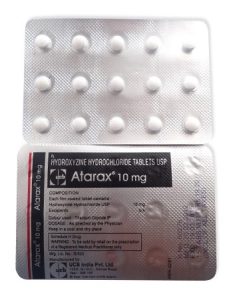
Internationally, it is also marketed as Atarax and several local brands.
| Brand | Form | Market |
|---|---|---|
| Vistaril | Capsules, syrup | United States / Global |
| Atarax | Tablets, oral solution | Multiple EU countries |
| Hydroxyzine generic | Tablets, capsules, syrup | United States |
| Atarox and other local brands | Varies | International markets |
Packaging often includes blister tablets, syrup or oral solution bottles, and hospital injectable packaging.
Because brand names and formulations vary by country, the exact product label should always be checked before use.
Frequently Asked Questions
How fast does hydroxyzine last?
Many people feel its sedating effect fairly quickly, which is why it is often used when rapid relief is needed.
Can hydroxyzine be taken every day?
It can be used as directed, but short-term treatment is usually preferred and chronic use should be reassessed.
Why does hydroxyzine make me sleepy?
That is part of its first-generation antihistamine effect, and hydroxyzine drowsiness is one of its most common side effects.
Can it be taken with other allergy medicines?
Sometimes, but combining medicines should be reviewed with a pharmacist, especially if another product also causes sedation.
Call a clinician right away if there is chest pounding, fainting, trouble breathing, severe rash, confusion, or signs of overdose.
Hydroxyzine overdose can cause extreme drowsiness, seizures, and cardiac arrhythmia, and urgent hospital care is required because there is no specific antidote.
Guidelines For Proper Use
What should happen if a dose is missed, or if the bottle needs to be stored for later?
The practical rules are simple, but they matter.
- Missed dose: take it when remembered unless the next dose is close.
- Never double up to make up for a missed dose.
- Storage: keep below 25°C, protect from light and moisture, and keep syrup tightly closed in the original container.
- Transport: no cold chain is needed when stored properly at room temperature.
- Daily use: use one pharmacy, keep an updated medication list, avoid alcohol, and check with a pharmacist before adding OTC sleep aids.
Hydroxyzine precautions also include planning around driving and work duties that need alertness.
Tablet and syrup products are stable at room temperature when stored correctly, so there is no special refrigeration requirement.
Because treatment is often short-term, symptoms that keep returning should trigger a reassessment rather than indefinite refills.
Delivery Across United States
| City | Region | Delivery time |
|---|---|---|
| New York City | Northeast | 5-7 days |
| Los Angeles | West | 5-7 days |
| Chicago | Midwest | 5-7 days |
| Houston | South | 5-7 days |
| Phoenix | West | 5-7 days |
| Philadelphia | Northeast | 5-7 days |
| San Antonio | South | 5-9 days |
| San Diego | West | 5-7 days |
| Dallas | South | 5-7 days |
| San Jose | West | 5-9 days |
| Austin | South | 5-7 days |
| Jacksonville | South | 5-9 days |
| Fort Worth | South | 5-9 days |
| Columbus | Midwest | 5-7 days |
| Charlotte | South | 5-9 days |