Bempedoic Acid
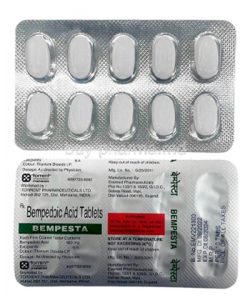
In brief
- Bempedoic acid is supplied under brand names such as Nexletol, Nilemdo and in combination as Nustendi/Nexlizet and is sold through pharmacies and hospitals; it is classified as prescription-only in major markets (FDA/EMA approvals), although in some jurisdictions or from some vendors pharmacies may dispense it without a prescription—consult local regulations and your healthcare provider before purchase.
- Bempedoic acid is used to lower LDL‑cholesterol in adults with primary hypercholesterolemia or mixed dyslipidemia and as an adjunct for patients who cannot reach LDL goals on statins or are statin‑intolerant; its mechanism is ATP citrate lyase (ACL) inhibition, which reduces cholesterol synthesis upstream of HMG‑CoA reductase.
- The usual dose is 180 mg orally once daily; when given as a fixed combination with ezetimibe the dose is 180 mg/10 mg once daily.
- The drug is administered orally as a film‑coated tablet (180 mg monotherapy or 180 mg/10 mg fixed‑dose tablet when combined with ezetimibe).
- Initial LDL‑C lowering can be seen within a few weeks, with clinical reassessment typically performed at 4–12 weeks after starting therapy.
- The lipid‑lowering effect is maintained with once‑daily, ongoing use; therapy is intended for chronic use as long as it remains effective and tolerated.
- Avoid excessive alcohol intake; alcohol may worsen liver disease and can contribute to elevated uric acid or gout flares, so use caution and discuss alcohol use with your clinician if you have liver disease or a history of gout.
- The most common side effect is increased uric acid (hyperuricemia), which can lead to gout flares; other frequent adverse effects include muscle spasms, back or limb pain, respiratory infections, abdominal pain, diarrhea, fatigue, and elevations in liver enzymes.
- Would you like to try bempedoic acid without a prescription?
Basic Bempedoic Acid Information
- INN (International Nonproprietary Name): Bempedoic acid
- Brand Names Available In United States: Nexletol, Nexlizet
- ATC Code: C10AX21
- Forms & Dosages: Film-coated tablet 180 mg (monotherapy); film-coated tablet 180 mg/10 mg (fixed combination with ezetimibe)
- Manufacturers In United States: Esperion Therapeutics (originator and manufacturer)
- Registration Status In United States: FDA approved in February 2020 as Nexletol (bempedoic acid 180 mg)
- OTC / Rx Classification: Prescription only (Rx) in major markets
Everyday Use & Best Practices (Instructions, Warnings, And Daily-Life Integration)
Morning Vs Evening Dosing
Are you wondering whether to take bempedoic acid in the morning or at night?
Choose a consistent time that fits your routine so you are most likely to remember the single daily tablet.
Either morning or evening dosing is acceptable; there is no strict evening-only requirement like some statins.
If the prescription is for the fixed-dose combo (180 mg/10 mg), take that once daily at the same time every day.
If you take other lipid medicines such as statins or ezetimibe, coordinate timing with your clinician but there is no strict timing conflict documented.
Taking With Or Without Meals
Will food affect how well bempedoic acid works?
Bempedoic acid may be taken with or without food; absorption is not significantly affected by meals.
There is no meal-related restriction in the standard dosing instructions for monotherapy or the fixed-dose combo.
If you have known sensitivities to tablet excipients, ask the pharmacist for ingredient details before starting therapy.
Missed dose guidance: take as soon as remembered unless close to the next scheduled dose and do not double up.
Start-Up Checklist:
- Confirm prescription for bempedoic acid 180 mg daily (or 180/10 mg if combo).
- Document baseline labs: lipid panel, liver enzymes, and uric acid as appropriate.
- Pick a daily reminder method: pillbox, smartphone alert, or linking to another daily habit.
- Plan LDL-C reassessment at 4–12 weeks after initiation.
Safety Priorities
Who Should Avoid It
Who should not take bempedoic acid?
Do not use bempedoic acid in patients with known hypersensitivity to the drug or its excipients.
Pregnancy and breastfeeding are absolute contraindications; avoid the drug if pregnant or nursing.
Severe hepatic impairment is a contraindication and severe renal impairment warrants caution because data are limited for eGFR below 30 mL/min/1.73 m².
Patients with a history of gout or hyperuricemia should discuss risk, since bempedoic acid can raise uric acid levels.
Inform the prescriber if there is a prior tendon rupture or tendon disorder because tendon-related events have been observed.
Activities To Limit
Which activities require caution while taking bempedoic acid?
If you experience new or worsening muscle pain or tendon pain, stop strenuous activity and seek medical advice promptly.
Avoid stopping or adjusting statins or other cardiovascular drugs without clinician approval.
Fatigue is a reported adverse event for some patients; assess your alertness before driving or operating heavy machinery.
Keep an updated medication card and emergency contact information accessible while on chronic therapy.
Dosage & Adjustments
General Regimen
What is the standard dosing for adults?
The standard adult regimen is 180 mg orally once daily for primary hypercholesterolemia or mixed dyslipidemia.
The fixed-dose combination with ezetimibe is 180 mg/10 mg once daily when additional LDL-C reduction is needed.
Reassess LDL-C at about 4–12 weeks after starting treatment to confirm response and tolerability.
Special Cases (Elderly, Renal/Hepatic, Children)
Are dose adjustments required for special populations?
Elderly patients use the same adult dose; no routine adjustment is required based on age alone.
Mild to moderate renal impairment (eGFR ≥30 mL/min/1.73 m²) does not require dose change, but data are limited in severe impairment (eGFR <30).
For hepatic disease, no adjustment is required for mild impairment; use caution and monitor in moderate impairment and do not use in severe hepatic impairment.
Children: bempedoic acid is not approved for pediatric patients and should not be used in children due to lack of safety and efficacy data.
Monitoring Checklist:
- Baseline lipid panel, liver function tests, and uric acid where clinically indicated.
- Repeat lipid panel at 4–12 weeks after starting treatment.
- Periodic LFTs and uric acid monitoring thereafter or if symptoms arise.
User Testimonials
Positive Reports
What do patients say after starting bempedoic acid?
Many patients report measurable LDL-C reductions when bempedoic acid is added to maximally tolerated statins or used alone for statin intolerance.
Users frequently highlight the convenience of once-daily oral dosing with the 180 mg tablet.
Some patients who previously had statin-associated muscle symptoms report better tolerability with bempedoic acid.
Common Challenges
What problems do users commonly encounter?
Increased uric acid and gout flares are among the more frequently reported challenges.
Other common complaints include muscle or limb aches, mild gastrointestinal upset, fatigue, and occasional back pain.
Insurance coverage and cost can be barriers for branded options such as Nexletol, Nexlizet, or Nilemdo in non-US markets.
Patient Story Bullets:
- Mr. A: Switched from low-dose statin due to muscle pain; added bempedoic acid and saw LDL fall further without recurrent myalgia.
- Ms. B: Experienced a gout flare after starting therapy and required uric acid management with her clinician.
- Patient C: Preferred the fixed-dose combo to reduce pill burden and improve adherence.
Questions To Ask Your Clinician:
- Will this therapy raise my uric acid or trigger gout?
- How will LDL and LFTs be monitored after starting bempedoic acid?
- What should I do if I experience muscle or tendon pain?
Buying Guide
Pharmacy Sources
How do you obtain bempedoic acid?
Bempedoic acid is a prescription-only medication in major markets, so obtain it with a valid prescription from your clinician.
In the United States, branded versions include Nexletol (monotherapy) and Nexlizet (fixed-dose with ezetimibe), both supplied by Esperion Therapeutics or distribution partners.
Check local community pharmacies, specialty pharmacies, and manufacturer assistance programs to reduce out-of-pocket costs.
In our online pharmacy, bempedoic acid is available without a prescription, with discreet delivery to United States in 5-14 days.
Price Comparison
How should you compare prices and savings?
Gather three figures to compare: pharmacy cash price, estimated insurance copay, and manufacturer coupon or savings program amount.
Include both national chains and independent pharmacies in your search to find the best out-of-pocket option.
Avoid online sellers that do not require a prescription or have unverifiable origins; those are red flags for counterfeit or unsafe products.
- Bring your prescription and insurance information when requesting price quotes.
- Ask the pharmacist whether the fixed-dose combo is available and if a substitution is clinically appropriate.
What’s Inside & How It Works
Ingredients Overview
What exactly is in a tablet?
Each film-coated monotherapy tablet contains 180 mg of the active ingredient bempedoic acid.
Fixed-dose tablets combine 180 mg bempedoic acid with 10 mg ezetimibe in a single film-coated tablet.
Excipients differ by manufacturer; consult the pharmacist if you have excipient sensitivities or allergies.
Mechanism Basics (ACL Inhibition)
How does bempedoic acid lower LDL-C?
Bempedoic acid inhibits ATP citrate lyase (ACL), an enzyme upstream of HMG-CoA reductase in the cholesterol synthesis pathway.
By acting upstream, bempedoic acid reduces hepatic cholesterol synthesis and leads to lower LDL-C levels.
Because activation occurs primarily in the liver, bempedoic acid may have a lower likelihood of causing skeletal muscle side effects compared with statins in some patients.
ATC classification for bempedoic acid is C10AX21 (other lipid-modifying agents).
- Active ingredient: bempedoic acid 180 mg (monotherapy).
- Combo option: bempedoic acid 180 mg + ezetimibe 10 mg.
Main Indications
Approved Uses
What are the regulatory indications for bempedoic acid?
Bempedoic acid is indicated for adults with primary hypercholesterolemia and mixed dyslipidemia to reduce LDL-C.
Available as a 180 mg tablet alone and a 180 mg/10 mg fixed combination with ezetimibe for greater LDL lowering.
FDA approval for Nexletol occurred in February 2020, and EMA approvals for Nilemdo and Nustendi were granted in April 2020.
Typical clinical scenarios include add-on therapy for patients not at LDL goal on maximally tolerated statins, or alternatives for statin-intolerant patients.
Off-Label Uses & Considerations
Are there off-label applications?
Clinicians may consider bempedoic acid in certain special lipid cases or in combination with other agents, but off-label use should be individualized and supported by specialist input.
Treatment is chronic and intended as part of a comprehensive plan that includes diet and lifestyle measures.
Interaction Warnings
Food Interactions
Do foods affect bempedoic acid?
Bempedoic acid may be taken with or without food and has no major documented food interactions in standard dosing guidance.
Drug Conflicts & Monitoring
What drugs should you watch for interactions with?
The overall drug interaction burden is lower than some lipid-lowering agents, but additive effects with other LDL-lowering drugs should be considered clinically.
When combined with statins, routine dose adjustments are not required, but monitor for muscle symptoms as a precaution.
Combining bempedoic acid with ezetimibe is commonly done and the fixed-dose combination simplifies adherence.
Monitor liver enzymes and measure baseline uric acid if the patient has gout history or hyperuricemia concerns.
- High-priority drug classes to review: statins, ezetimibe, PCSK9 inhibitors.
- Labs to order: baseline lipid panel, LFTs, and uric acid where clinically indicated.
Latest Evidence & Insights
Key Trial Takeaways
What do the clinical trials show?
Randomized studies demonstrated that bempedoic acid lowers LDL-C when used as an add-on to statins or as monotherapy in statin-intolerant patients.
The fixed-dose combination with ezetimibe provides enhanced LDL lowering versus bempedoic acid alone.
Common safety signals in trials included hyperuricemia, gout, hepatic enzyme elevations, muscle-related symptoms, and rare tendon events.
Clinical guidance recommends reassessment 4–12 weeks after starting therapy to confirm LDL response and tolerability.
Real-World Data Highlights
How does bempedoic acid perform outside trials?
Real-world data support its use for patients who cannot reach LDL targets with statins or who are statin-intolerant.
Access and insurance coverage remain practical barriers for some patients seeking branded products.
Evidence supports bempedoic acid as part of a stepwise LDL-lowering strategy alongside lifestyle, statins (if tolerated), ezetimibe, and PCSK9 inhibitors when needed.
Alternative Choices
When To Prefer Others (Statins, PCSK9, Ezetimibe)
When should other options be chosen over bempedoic acid?
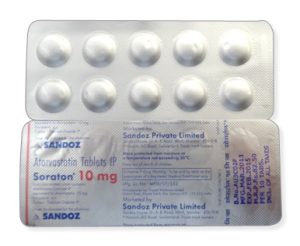
Statins remain first-line therapy for LDL lowering when tolerated, with rosuvastatin and atorvastatin as potent options.
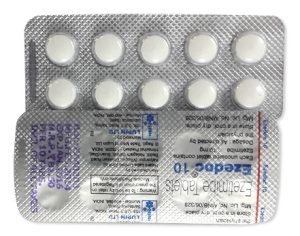
Ezetimibe is an oral adjunct often used with statins or combined with bempedoic acid in fixed-dose tablets for extra LDL reduction.
PCSK9 inhibitors such as alirocumab and evolocumab are injectable options that deliver large LDL reductions for very high-risk patients or those with familial hypercholesterolemia.
Combining Strategies
How can therapies be combined safely and effectively?
Combining bempedoic acid with ezetimibe (fixed-dose combo) is a noninvasive strategy to enhance LDL lowering and simplify adherence.
Adding bempedoic acid to maximally tolerated statins is evidence-based for incremental LDL reduction.
Choose therapy based on efficacy needs, side-effect profiles, cost, administration route, and patient preference.
Regulation Snapshot
Approval Timeline & Regions
Where and when was bempedoic acid approved?
FDA approval in the United States occurred in February 2020 for Nexletol (bempedoic acid 180 mg).
EMA approvals in April 2020 covered Nilemdo (180 mg) and the combo Nustendi (180/10 mg) across EU/EEA and the UK.
Additional approvals and licensing have expanded availability to markets in Asia, LATAM, Australia, New Zealand, and others through regional partners.
Legal Status And Prescribing Rules
What legal requirements apply to prescribing?
Bempedoic acid is prescription-only (Rx) across major markets and requires a clinician diagnosis and prescription for lawful dispensing.
Storage: keep tablets at controlled room temperature between 15–30°C (59–86°F) and protect from moisture in the original packaging.
For cross-border purchases, confirm prescriptions meet local regulations and verify brand availability regionally.
FAQ Section
Quick Answers (Side Effects, Pregnancy, Monitoring)
Does bempedoic acid lower LDL?
Yes; bempedoic acid is approved to reduce LDL-C as monotherapy or in fixed combination with ezetimibe.
What are common side effects?
Common side effects include increased uric acid, muscle spasms, back and limb pain, upper respiratory tract infection, abdominal pain, diarrhea, fatigue, and possible elevations in hepatic enzymes.
Can pregnant or breastfeeding patients take it?
No; pregnancy and breastfeeding are contraindications and the drug should be avoided in those circumstances.
What monitoring is recommended?
Obtain baseline lipid panel and consider baseline LFTs and uric acid, then reassess LDL at 4–12 weeks and monitor LFTs and uric acid periodically.
When To Call Your Provider
Which symptoms require immediate contact with your clinician?
- Sudden severe muscle or tendon pain, swelling, or movement limitation.
- Signs of gout flare, including intense joint pain and swelling.
- Signs of liver injury such as jaundice, dark urine, or severe abdominal pain.
- Severe allergic reaction with rash, difficulty breathing, or facial swelling.
- Unexplained persistent fatigue or weakness.
Guidelines For Proper Use
Starting & Monitoring Plan
How to start bempedoic acid safely and monitor progress?
Confirm the indication (primary hypercholesterolemia, mixed dyslipidemia, or statin intolerance) before initiating therapy.
Order baseline labs including lipid panel, liver function tests, and uric acid when clinically indicated.
Start the prescribed once-daily tablet (180 mg or 180/10 mg combo) and schedule LDL reassessment at 4–12 weeks.
Monitor LFTs and uric acid periodically or sooner if symptoms suggest hepatic injury or gout.
Adherence Tips And Lifestyle Integration
How to stay on track with daily dosing?
Use a pillbox, smartphone reminder, or habit pairing such as taking the tablet with morning toothbrushing to improve adherence.
Discuss cost and access options early, including manufacturer savings programs and pharmacy assistance, to prevent interruptions.
Remember that bempedoic acid is an adjunct to diet and lifestyle measures including exercise, smoking cessation, and weight management.
Report muscle, tendon, or gout symptoms promptly, and never start or stop other lipid medications without clinician approval.
Delivery Across United States
| City | Region | Delivery Time |
|---|---|---|
| New York | Northeast | 5-7 days |
| Los Angeles | West | 5-7 days |
| Chicago | Midwest | 5-7 days |
| Houston | South | 5-7 days |
| Phoenix | West | 5-7 days |
| Philadelphia | Northeast | 5-7 days |
| San Antonio | South | 5-9 days |
| San Diego | West | 5-9 days |
| Dallas | South | 5-7 days |
| San Jose | West | 5-9 days |
| Austin | South | 5-9 days |
| Jacksonville | South | 5-9 days |
| San Francisco | West | 5-7 days |
| Columbus | Midwest | 5-9 days |
| Fort Worth | South | 5-9 days |