Zocor
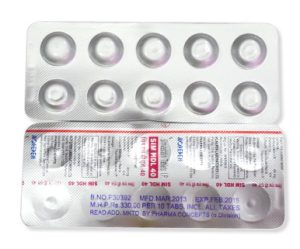
In brief
- Zocor (simvastatin) can be purchased in pharmacies and online; officially it is a prescription-only medicine in the US and EU, but in some pharmacies it may be sold without a receipt or prescription depending on local practice and the vendor.
- Zocor is used to lower cholesterol and reduce cardiovascular risk; it works as an HMG-CoA reductase inhibitor (a statin) that reduces cholesterol biosynthesis and lowers LDL cholesterol.
- Usual dosage: initial 10–20 mg once daily (typically in the evening); common maintenance 10–40 mg once daily; some patients may receive up to 80 mg/day under specialist supervision (higher doses increase risk of myopathy).
- Form of administration: oral, film‑coated tablet taken once daily (usually in the evening).
- Onset time: biochemical effects begin within days; reductions in LDL are generally noticeable within 1–2 weeks, with maximal effect seen around 4–6 weeks.
- Duration of action: taken once daily with effects maintained by continuous therapy; simvastatin has a short plasma half-life (~2–3 hours) but lipid-lowering effects persist with daily dosing and require long‑term use to maintain benefit.
- Alcohol warning: avoid heavy alcohol use and binge drinking while taking Zocor; alcohol increases the risk of liver injury and may raise the chance of side effects such as elevated liver enzymes or muscle problems.
- The most common side effect is headache (other common issues include muscle aches/myalgia, gastrointestinal upset, and elevated liver enzymes; rare but serious effects include rhabdomyolysis and severe hepatic dysfunction).
- Would you like to try zocor without a prescription?
Basic Zocor Information
- INN (International Nonproprietary Name): Simvastatin
- Brand Names Available In United States: Zocor (originator by Merck & Co.); generic simvastatin marketed by Sandoz, Teva, Mylan, Actavis, Egis, Sun Pharma, Aurobindo
- ATC Code: C10AA01
- Forms & Dosages: Oral film-coated tablets in 5 mg, 10 mg, 20 mg, 40 mg, and 80 mg strengths; typical packaging includes blisters of 10, 20, 28, 30, 60, or 90 tablets
- Manufacturers In United States: Originator/Global — Merck & Co.; generic suppliers include Sandoz, Teva, Mylan, Actavis, Egis, Sun Pharma, Aurobindo
- Registration Status In United States: FDA approved since 1991; prescription-only medication
- OTC / Rx Classification: Prescription only (Rx)
Everyday Use & Best Practices
Morning Vs Evening Dosing
Patients often ask whether to take simvastatin in the morning or at night.
Most simvastatin regimens are once daily and many clinicians recommend evening dosing because the body makes more cholesterol overnight.
The usual initial adult dose is 10–20 mg once daily, with a typical dose range of 10–40 mg once daily.
Certain indications call for 40 mg in the evening and, for homozygous familial hypercholesterolemia, doses up to 80 mg may be used in select cases.
Lower-dose regimens (for example, 10–20 mg) are flexible and can be given at any time of day to fit routines.
- Option A: Take at bedtime — aligns with nocturnal cholesterol synthesis and many clinicians’ preference.
- Option B: Take in the morning with breakfast — reasonable for low doses and improves adherence for early-risers.
- Option C: Pick a consistent time each day for 10–20 mg dosing — consistency matters more than exact hour.
Taking With Or Without Meals
Zocor tablets may be taken with or without food, so choose a routine you can keep.
Store tablets in their original packaging and protect them from moisture and light as labeled.
Keep medication out of reach of children and use a daily pill checklist or pillbox to reduce missed doses.
- Missed-dose steps: take the missed dose when you remember unless it is close to the next scheduled dose — do not double the dose.
- Storage checklist: original container, below 25°C (77°F), away from direct sunlight and humidity, keep childproof and labeled.
- Adherence tip: link simvastatin to a daily habit (toothbrushing, bedtime routine) and use a pill organizer for weekly prep.
Safety Priorities
Who Should Avoid It
Certain people should not take simvastatin because of definite risks.
Absolute contraindications include pregnancy and breastfeeding, active liver disease, and known hypersensitivity to simvastatin or any tablet excipients.
Concurrent use with potent CYP3A4 inhibitors — such as some antifungals, macrolide antibiotics, and certain HIV protease inhibitors — is contraindicated due to increased myopathy risk.
Persistent unexplained elevations in hepatic transaminases are a reason to stop therapy until the cause is determined.
In severe renal impairment, dosing is limited (maximum 10 mg/day) unless the expected benefit outweighs the risk.
- Do not use during pregnancy or while breastfeeding.
- Avoid with active liver disease or unexplained persistent liver enzyme elevations.
- Do not combine with potent CYP3A4 inhibitors (clarithromycin, itraconazole, some HIV protease inhibitors).
Activities To Limit
Some daily activities and combinations increase the chance of liver or muscle problems and need caution.
Avoid heavy alcohol use while on simvastatin because alcohol increases liver risk and complicates monitoring.
Report unexplained muscle pain, weakness, or dark urine immediately — these can be signs of myopathy or rhabdomyolysis.
Exercise is beneficial for cardiovascular health but watch for disproportionate muscle symptoms, especially early in treatment.
Combining simvastatin with fibrates or niacin raises myopathy risk and should be managed carefully by a clinician.
- Warning signs: severe muscle pain, weakness, dark urine, yellowing of skin/eyes, persistent nausea.
- Action items: stop and report severe symptoms, check creatine kinase (CK) and liver enzymes as advised, review all medications and supplements with your provider.
- Monitoring: baseline liver function tests, periodic lipid panels and liver enzyme checks during therapy.
Dosage & Adjustments
General Regimen
Simvastatin dosing depends on the indication and individual risk factors.
The standard adult starting dose for primary hyperlipidemia is 10–20 mg once daily and many patients for cardiovascular risk reduction receive 20–40 mg once daily.
Titration should occur at intervals of four weeks or longer to allow lipid changes to stabilize.
Tablets are available in strengths of 5, 10, 20, 40, and 80 mg, and starting low in elderly patients is recommended with careful monitoring for myopathy.
| Use | Typical Starting Dose | Target Dose Range |
|---|---|---|
| Primary Hyperlipidemia | 10–20 mg once daily | 10–40 mg once daily |
| Cardiovascular Risk Reduction | 20 mg once daily | 20–40 mg once daily |
| Homozygous FH (adult) | 40 mg in the evening | Up to 80 mg in select cases |
Special Cases
Some diagnoses and patient factors change how simvastatin is used and monitored.
In homozygous familial hypercholesterolemia, therapy often starts at 40 mg in the evening and may be increased up to 80 mg in select cases, recognizing increased risk at high doses.
For pediatric HeFH (children aged 10 years and older), doses range from 10–40 mg once daily depending on weight and response.
For severe renal impairment, limit dosing to a maximum of 10 mg/day unless a clinician documents that the benefit justifies higher dosing under close monitoring.
- Dose-adjustment steps: baseline labs, start at recommended dose, recheck lipids in 4–12 weeks, adjust if necessary, monitor liver enzymes and CK if symptoms appear.
- If interacting drugs are required, consider dose reduction, temporary pause, or switch to a statin with fewer CYP3A4 interactions.
User Testimonials
Positive Reports
Many patients report notable LDL reductions and clearer cholesterol numbers within 4–12 weeks when simvastatin is combined with diet and exercise.
Patients often mention that evening dosing simplifies routines and that using a pill organizer makes adherence easier.
Generic simvastatin options from manufacturers like Sandoz, Teva, and Mylan are frequently praised for lower cost compared with brand-name Zocor while delivering the same active ingredient.
- Wins reported: meaningful LDL drops, simple once-daily dosing, affordable generics available.
- Practical tip: pairing simvastatin with lifestyle changes (diet, activity) increases the chance of meeting lipid goals.
Common Challenges
Some patients experience transient muscle aches, changes in energy, or occasional gastrointestinal upset early in therapy.
Concerns about liver tests sometimes prompt dose adjustments or a switch to another statin after clinician review.
Several users say that documenting symptoms in a diary helped clinicians decide whether to reduce dose or change medications to atorvastatin or pravastatin.
- Track symptoms: date, time, activity, severity, and any new medications or supplements started.
- When to contact clinician: persistent muscle pain, weakness, dark urine, or significant fatigue interfering with daily life.
Buying Guide
Pharmacy Sources
Zocor and generic simvastatin are prescription-only products in the United States and have been FDA-approved since 1991.
They are sold at brick-and-mortar pharmacies and reputable online pharmacies that require a valid prescription — check packaging for manufacturer and dosage strength.
Common generic manufacturers include Sandoz, Teva, Mylan, Actavis, Egis, Sun Pharma, and Aurobindo, and packaging should list the INN simvastatin and tablet strength.
| Source | What To Check |
|---|---|
| Local Pharmacy | Prescription, packaging, expiration date, pharmacist counseling |
| Reputable Online Pharmacy | Valid prescription requirement, secure checkout, manufacturer on label, expiration, customer service |
Price Comparison
Generic simvastatin commonly costs much less than brand Zocor, but exact prices vary by insurer, pharmacy, and manufacturer.
Use price-comparison tools, pharmacy discount cards, and manufacturer coupons to lower out-of-pocket costs when possible.
When changing to a generic, confirm the INN is simvastatin and the strength matches your prescription.
- Cost-saving strategies: compare pharmacy prices, request generic substitution, check insurance formulary, ask pharmacist about coupons.
- Questions for the pharmacist: is this the same active ingredient, what is the manufacturer, and are there known tolerability differences?
In our online pharmacy, zocor is available without a prescription, with discreet delivery to United States in 5-14 days.
What’s Inside & How It Works
Ingredients Overview
The active ingredient is simvastatin (the INN) and tablets are film-coated in strengths of 5, 10, 20, 40, and 80 mg.
Inactive excipients vary by manufacturer, so check the package insert if you have known excipient allergies or sensitivities.
| Component | Details |
|---|---|
| Active Ingredient | Simvastatin |
| Common Excipients | Film-coating agents, fillers, binders (vary by manufacturer) |
| Tablet Strengths | 5 mg, 10 mg, 20 mg, 40 mg, 80 mg |
Mechanism Basics
Simvastatin is an HMG-CoA reductase inhibitor (ATC code C10AA01) that reduces cholesterol synthesis in the liver.
By lowering hepatic cholesterol production, it reduces circulating LDL-C and modestly raises HDL-C, which over time lowers coronary risk.
The lipid-lowering effect develops over weeks, so clinicians check lipid panels typically 4–12 weeks after starting or changing dose to assess response.
- Practical benefits: lower LDL levels mean reduced risk of heart attacks and strokes in high-risk patients.
- Why nightly dosing helps: because cholesterol synthesis is higher at night, evening dosing can enhance effect for some patients.
Main Indications
Approved Uses
Simvastatin (Zocor) is indicated for primary hyperlipidemia, mixed dyslipidemia, and cardiovascular risk reduction as described in product labeling.
Typical adult starting doses are 10–20 mg once daily with a usual dose range of 10–40 mg once daily; 40 mg once daily in the evening is used for certain indications and up to 80 mg for homozygous familial hypercholesterolemia in select cases.
Pediatric approval covers heterozygous familial hypercholesterolemia in children 10 years and older with doses of 10–40 mg once daily.
| Indication | Usual Starting Dose | Dose Range |
|---|---|---|
| Primary Hyperlipidemia | 10–20 mg once daily | 10–40 mg once daily |
| Cardiovascular Risk Reduction | 20–40 mg once daily | Up to 40 mg |
| Homozygous FH | 40 mg once daily (evening) | Up to 80 mg in select cases |
Off-Label Uses
Clinicians may sometimes use statins beyond labeled indications for broader atherosclerotic risk profiles, stroke prevention, or other guideline-based scenarios.
Off-label statin use should be individualized, documented, and accompanied by appropriate monitoring for liver function and myopathy risks.
- Considerations: weigh potential benefits versus risks, ensure informed consent, and plan monitoring intervals for labs and symptoms.
- Questions to ask your clinician: why this statin, expected benefit, monitoring plan, and alternative options if intolerance develops.
Interaction Warnings
Food Interactions
Grapefruit juice is a key food interaction because it can increase simvastatin blood levels and raise the risk of muscle injury.
Alcohol can increase liver risk and should be limited while taking simvastatin.
- Do not consume large amounts of grapefruit or grapefruit juice while taking simvastatin.
- Limit alcohol intake and report any persistent abdominal pain, jaundice, or dark urine.
Drug Conflicts
Simvastatin is metabolized by CYP3A4 and major drug interactions occur with potent CYP3A4 inhibitors such as ketoconazole, itraconazole, clarithromycin, erythromycin, and some HIV protease inhibitors.
Combining simvastatin with fibrates or high-dose niacin increases the risk of myopathy and requires close clinical supervision.
When interacting drugs are necessary, clinicians may choose dose adjustments, temporary pauses, or alternative statins like pravastatin that have fewer CYP3A4 interactions.
- Medications to flag: strong CYP3A4 inhibitors, some macrolide antibiotics, antifungals, and certain antivirals.
- Steps if prescribed an interacting drug: notify your pharmacist and prescriber immediately, and follow their plan for dose adjustment or alternative therapy.
Latest Evidence & Insights
Major Trial Data (Practical Summary)
Large-scale evidence supports statins for LDL lowering and lowering cardiovascular events, and simvastatin has demonstrated benefit historically in broad patient populations.
Newer statins such as atorvastatin and rosuvastatin are often more potent on a milligram-to-milligram basis, but simvastatin remains effective when dosed and monitored appropriately.
Practical outcomes shown across trials include meaningful LDL reductions and fewer heart attacks and strokes in high-risk individuals treated with statin therapy.
Practical Takeaway For Patients
Discuss relative potency and side-effect profiles with your clinician; if LDL goals are not met on simvastatin or side effects occur, switching to another statin or adjusting the dose is common.
Keep lipid panels every 4–12 weeks after starting or changing dose to document response and guide therapy.
- Evidence-based actions: monitor labs, report symptoms promptly, and consider alternative statins or combination therapy if goals are unmet.
Alternative Choices
Other Statins
Alternatives include atorvastatin and rosuvastatin, which are generally more potent and may achieve LDL targets at lower relative doses.
Pravastatin and fluvastatin have fewer CYP3A4 interactions and may be preferred when drug interactions are a primary concern.
| Statin | Typical Dose Range | Key Point |
|---|---|---|
| Atorvastatin (Lipitor) | 10–80 mg | Higher potency |
| Rosuvastatin (Crestor) | 5–40 mg | Longer half-life, potent |
| Pravastatin (Pravachol) | 10–40 mg | Fewer drug interactions |
Non-Statin Options
For patients intolerant of statins or needing additional LDL lowering, options include ezetimibe, bile acid sequestrants, and PCSK9 inhibitors.
Lifestyle measures — diet, exercise, weight control, and smoking cessation — remain foundational for cholesterol management.
- Discuss non-statin therapies and referral to a lipid specialist if familial conditions or very high LDL levels are present.
- Escalation checklist: confirm adherence, optimize lifestyle, consider ezetimibe or PCSK9 inhibitors, and consult a specialist when needed.
Regulation Snapshot
Approval Status
Zocor (simvastatin) has been FDA-approved in the United States since 1991 and is available by prescription only.
It is also approved in the European Union and other regions with national marketing authorization holders listed on local packaging as required.
Generic simvastatin products are widely authorized and marketed by multiple manufacturers globally.
| Region | Approval Status |
|---|---|
| United States | FDA approved since 1991; prescription-only |
| European Union | Approved; prescription-only |
| Romania | Authorized and registered in national pharmaceutical registry (ANMDMR) |
Packaging & Labeling
Common tablet strengths are 5, 10, 20, 40, and 80 mg with blister pack sizes typically between 10 and 90 tablets.
Labels list the active INN simvastatin, ATC code C10AA01, storage instructions (store below 25°C), and the manufacturer or marketing authorization holder.
- Verify label items: active ingredient (simvastatin), tablet strength, expiration date, storage instructions, and manufacturer name.
- Keep packaging for reference and bring the label to any pharmacist or clinician visit for medication reconciliation.
FAQ Section
Quick Q&A
- Q: Can I take simvastatin during pregnancy? A: No — pregnancy and breastfeeding are absolute contraindications.
- Q: What if I miss a dose? A: Take as soon as you remember unless it is close to the next dose — do not double up.
- Q: How long until it works? A: Lipid improvements are typically seen within 4–12 weeks after starting or changing the dose.
- Q: Do generics work the same? A: Yes — generics with the INN simvastatin meet regulatory standards and contain the same active ingredient.
When To Call Your Doctor
- Contact immediately for unexplained severe muscle pain, weakness, or dark urine.
- Call for yellowing of the skin or eyes, persistent nausea, abdominal pain, or marked fatigue that could signal liver injury.
- Notify your clinician before starting any new prescription, over-the-counter medication, or supplement — especially antibiotics, antifungals, or grapefruit consumption.
- Keep a symptom log and bring recent lab results when meeting with your clinician.
Guidelines For Proper Use
Starting And Monitoring
- Get baseline liver function tests and a lipid panel before initiating simvastatin.
- Begin with the recommended starting dose (commonly 10–20 mg), and titrate at intervals of at least four weeks based on lipid response.
- Recheck lipid panels and liver enzymes per clinician guidance, typically 4–12 weeks after any dose change.
- In children ≥10 years with HeFH, dosing is 10–40 mg once daily under pediatric guidance.
- For elderly or those with renal impairment, start at lower doses and monitor for myopathy.
Troubleshooting
If muscle pain arises, do not stop therapy without clinician guidance; arrange testing for creatine kinase and liver enzymes as directed.
When a new interacting drug is needed, consider dose adjustment, a temporary pause, switching to a less interactive statin, or using a non-statin alternative under clinician direction.
Store medication below 25°C in the original container and keep an up-to-date medication list to share with all prescribers and your pharmacist.
- Symptom-to-action flow: note symptoms, contact clinician, obtain CK and LFTs, follow recommendations on continuation or change.
- Medication reconciliation checklist: current meds, supplements, allergies, recent lab results, and pharmacy contact details.
Delivery Across United States
| City | Region | Delivery time |
|---|---|---|
| New York | Northeast | 5-7 days |
| Los Angeles | West | 5-7 days |
| Chicago | Midwest | 5-7 days |
| Houston | South | 5-7 days |
| Phoenix | West | 5-7 days |
| Philadelphia | Northeast | 5-7 days |
| San Antonio | South | 5-7 days |
| San Diego | West | 5-7 days |
| Dallas | South | 5-7 days |
| San Jose | West | 5-7 days |
| Austin | South | 5-7 days |
| Jacksonville | South | 5-7 days |
| San Francisco | West | 5-7 days |
| Columbus | Midwest | 5-7 days |
| Fort Worth | South | 5-7 days |