
Cholesterol
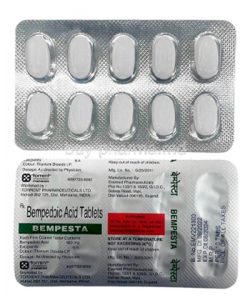
Bempedoic Acid
from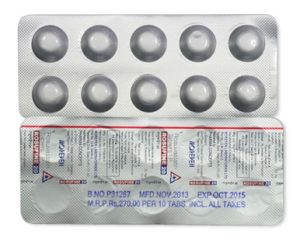
Crestor
from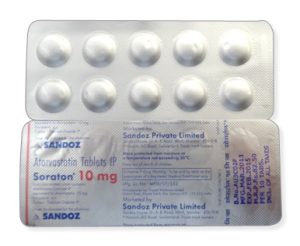
Lipitor
from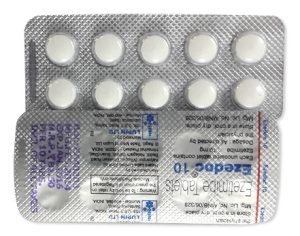
Zetia
from
Zocor
fromUnderstanding Cholesterol and Heart Health
Cholesterol is a waxy substance found in your blood that your body needs to build healthy cells and produce hormones. However, high cholesterol levels can increase your risk of heart disease and stroke. There are two main types of cholesterol: LDL (low-density lipoprotein), often called “bad cholesterol,” and HDL (high-density lipoprotein), known as “good cholesterol.” Your body also contains triglycerides, another type of fat in the blood that can contribute to heart disease when levels are elevated.
Understanding your cholesterol numbers is the first step toward managing your cardiovascular health. Most adults should have their cholesterol checked at least once every five years, though your doctor may recommend more frequent testing based on your individual risk factors. Managing cholesterol through diet, exercise, and medication can significantly reduce your risk of serious health complications.
Statin Medications for Cholesterol Management
Statins are the most commonly prescribed medications for lowering cholesterol in the United States. These powerful drugs work by blocking an enzyme in your liver that produces cholesterol, helping to reduce LDL levels and lower your risk of heart attack and stroke.
Common statin medications available include:
- Atorvastatin (Lipitor) – available in dosages from 10mg to 80mg and one of the most frequently prescribed statins
- Simvastatin (Zocor) – an effective option for reducing cholesterol levels
- Rosuvastatin (Crestor) – particularly effective at lowering LDL cholesterol for patients who don’t respond well to other statins
- Pravastatin – another reliable statin option
- Lovastatin – an alternative choice for cholesterol management
Most statins are taken once daily, typically in the evening, and are generally well-tolerated. Your doctor will determine the appropriate statin and dosage based on your cholesterol levels, health history, and other medications you take.
Non-Statin Cholesterol Medications
While statins are the primary treatment for high cholesterol, several non-statin medications are available for patients who cannot tolerate statins or need additional cholesterol management. Ezetimibe, sold as Zetia, works by blocking cholesterol absorption in your intestines and is often used alongside statins for enhanced results.
Additional non-statin options include:
- PCSK9 inhibitors (evolocumab and alirocumab) – newer medications designed for patients with very high cholesterol
- Bempedoic acid – reduces uric acid while lowering cholesterol levels
- Bile acid sequestrants (cholestyramine and colesevelam) – help remove cholesterol by binding to bile acids in your digestive system
- Inclisiran – an injectable medication providing long-lasting cholesterol reduction with injections every six months
- Niacin (vitamin B3) – raises HDL cholesterol while lowering LDL and triglycerides
- Fibrates – primarily lower triglycerides while helping improve your overall cholesterol profile
Your healthcare provider can help determine which non-statin medication is best suited to your individual needs and health status.
Combination Therapy and Treatment Plans
Many patients require combination therapy to effectively manage their cholesterol levels. Your doctor may prescribe a statin along with ezetimibe to block cholesterol at multiple points in the body. Some combination medications are available in a single pill, making it easier to take your medications as prescribed.
Combining statins with niacin or fibrates can be particularly effective for patients with elevated triglyceride levels. PCSK9 inhibitors are frequently added to statin therapy when LDL cholesterol remains too high despite maximum statin doses. Regular monitoring through blood tests helps your healthcare provider assess whether your current treatment plan is working effectively.
Most patients require periodic adjustments to their medications or dosages based on their cholesterol test results and overall cardiovascular risk. Lifestyle modifications including a heart-healthy diet, regular exercise, weight management, and smoking cessation should accompany any medication regimen. Your treatment plan should be personalized based on your age, risk factors, existing health conditions, and family history of heart disease. Working closely with your healthcare team ensures you receive the most appropriate and effective cholesterol management strategy for your individual situation.
Lifestyle Changes and Prevention Strategies
Managing cholesterol effectively requires more than medication alone. A heart-healthy diet rich in vegetables, fruits, whole grains, and lean proteins can significantly lower your cholesterol levels. Reducing saturated fat and trans fat intake while increasing soluble fiber consumption helps manage LDL cholesterol naturally.
Foods excellent for cholesterol management include oats, beans, apples, and nuts, which are outstanding sources of soluble fiber that can help lower cholesterol. Regular physical activity, such as moderate-intensity exercise for at least 150 minutes per week, can raise HDL cholesterol and lower triglycerides. Maintaining a healthy weight reduces cholesterol and decreases your overall cardiovascular risk.
Additional important lifestyle changes include limiting alcohol consumption and eliminating smoking, which are crucial steps in cholesterol management. Stress reduction through meditation, yoga, or other relaxation techniques supports heart health. Many people find that combining medication with these lifestyle changes produces the best results for long-term cholesterol control. Consulting with a registered dietitian can provide personalized dietary guidance for your specific cholesterol management needs. Your pharmacy team can offer additional resources and support for implementing healthy changes in your daily routine.
Monitoring and Managing Your Cholesterol Levels
Regular monitoring is essential for successful cholesterol management. Your doctor will schedule periodic blood tests to check your LDL, HDL, triglyceride levels, and total cholesterol. These lipid panel results guide adjustments to your treatment plan.
Most patients on cholesterol medication should have their cholesterol checked every four to twelve weeks when starting new medications or adjusting dosages. Once your cholesterol is well-controlled on a stable medication regimen, testing may be needed less frequently. Understanding your cholesterol numbers helps you stay engaged in your health management.
Your pharmacist can explain what your numbers mean and answer questions about your medications. Some medications may cause side effects or interact with other drugs you take, so inform your healthcare provider about all supplements and medications. Keeping a medication log helps ensure you take your cholesterol medications as prescribed, which is crucial for their effectiveness. If you experience muscle pain, weakness, or other concerning symptoms while taking cholesterol medication, contact your doctor immediately.
Many pharmacies offer medication therapy management services to help optimize your cholesterol treatment plan. Staying informed, taking your medications consistently, and maintaining healthy habits creates the foundation for effective long-term cholesterol control and better cardiovascular health.