Bimatoprost
In brief
- In our pharmacy, bimatoprost is available without a prescription, with delivery in 5–14 days throughout the United States. It is also a prescription-only medicine in regulated markets, so local rules may vary.
- Bimatoprost is used to reduce elevated intraocular pressure in open-angle glaucoma and ocular hypertension. It is a prostaglandin analog/prostamide that increases the outflow of aqueous humor from the eye.
- The usual dosage of bimatoprost is 1 drop in the affected eye(s) once daily, typically at night.
- The form of administration is ophthalmic solution/eye drops; an intracameral implant form is also available for specific use.
- The effect of the medication usually begins within a few hours, with the full pressure-lowering effect often seen after about 4–8 weeks of regular use.
- The duration of action is about 24 hours, which is why it is used once daily.
- Alcohol does not have a known direct interaction with bimatoprost eye drops, but excessive alcohol use may worsen overall eye health and treatment adherence.
- The most common side effects are eye redness, eyelash growth, itching, dry eye sensation, and mild eye irritation.
- Would you like to try bimatoprost without a prescription?
Basic Bimatoprost Information
- INN (International Nonproprietary Name): Bimatoprost
- Brand names available in United States: Lumigan; Durysta; multiple generics
- ATC Code: S01EE03
- Forms & dosages: Ophthalmic solution/drops 0.03% (0.3 mg/mL), topical eye use; intracameral implant, Durysta, intraocular use
- Manufacturers in United States: AbbVie/Allergan; Lupin; Apotex; Sandoz; and other global suppliers listed in local markets
- Registration status in United States: Rx-only, FDA-approved for reduction of intraocular pressure in open-angle glaucoma and ocular hypertension
- OTC / Rx classification: Prescription Only (Rx) in regulated markets
Bimatoprost Eye Drops: What Matters Most Day To Day
Morning Vs. Evening Dosing
Do you keep forgetting your eye drop until the middle of the day?
That is exactly why bimatoprost works best when it becomes part of a fixed evening routine.
The standard regimen is 1 drop in the affected eye(s) once daily, typically at night.
Nighttime dosing is often easier to remember and may reduce daytime awareness of common effects like red eye.
A patient who places the bottle next to a toothbrush or bedtime alarm is usually more consistent than someone trying to squeeze it in between errands.
- Wash your hands first.
- Remove contact lenses before instilling the drop unless your clinician says otherwise.
- Tilt your head back and pull down the lower lid.
- Place 1 drop in the affected eye.
- Close the eye gently for a moment.
- Keep the dropper tip away from the eye, lashes, skin, and fingers.
Do not use extra drops hoping for better pressure control.
Do not touch the tip to the eye or face.
Do not change the time of day from one dose to the next unless your prescriber tells you to.
Taking With Or Without Meals
Food does not affect eye-drop use because bimatoprost is applied topically to the eye, not taken by mouth.
That makes it easy to fold into normal life.
Some people pair it with brushing teeth, and others set a silent bedtime alarm so they do not miss a dose after a long day.
If more than one eye medicine is being used, separate the drops by several minutes unless the prescriber gives different instructions.
That simple pause helps each medicine stay where it should.
Bimatoprost eye drops, bimatoprost ophthalmic solution 0.03%, and Lumigan for glaucoma are all terms patients may see in the pharmacy or on the package insert.
Who Should Avoid It
Thinking about starting treatment but wondering if it is safe for you?
There are clear situations where bimatoprost should not be used, and others where caution matters more than usual.
| Do Not Use | Use With Caution |
|---|---|
| Allergy to bimatoprost or excipients | History of uveitis or iritis |
| Active ocular infection, such as conjunctivitis | Aphakia or pseudophakia with ruptured posterior lens capsule |
| Severe ocular surface disease, including decompensated cornea | Ocular inflammatory conditions |
| Prescription-only use is required in regulated markets | Severe respiratory distress or asthma/history of bronchospasm |
| Pregnancy and breastfeeding, where risk and benefit must be assessed |
Because this is prescription-only, it should be used under the direction of a licensed clinician.
People with a history of eye inflammation, lens capsule problems, or breathing issues should bring that up before the first dose.
Activities To Limit
Some patients notice temporary blurred vision after the drop goes in.
If that happens, be careful with driving, especially right after dosing.
Contact lenses should not be worn during administration unless the clinician specifically allows it.
Unapproved cosmetic use is a real problem online, especially when bimatoprost is sold as a lash product or lash serum.
It should not be used as a cosmetic eyelash product unless a licensed clinician specifically directs that use.
Persistent pain, swelling, worsening redness, or any vision change needs prompt medical review.
That is especially important if the eye looks infected or the discomfort does not settle.
Bimatoprost safety, Lumigan side effects, and bimatoprost contraindications are the search terms patients often explore before starting therapy.
Bimatoprost Dosage And Adjustments
General Regimen
Most patients use the same straightforward schedule: 1 drop in the affected eye(s) once daily, typically at night.
For glaucoma and ocular hypertension, the medicine is used chronically as long as pressure-lowering treatment is needed.
Therapy is reassessed periodically, because eye pressure goals and response can change over time.
Using it more often does not improve results and can increase side effects, so the prescribed dose should not be exceeded.
| Condition | Dose | Timing |
|---|---|---|
| Ocular hypertension | 1 drop in the affected eye(s) | Once daily, typically at night |
| Open-angle glaucoma | 1 drop in the affected eye(s) | Once daily, typically at night |
That simple schedule is one reason bimatoprost 0.03% stays popular for long-term pressure control.
Special Cases
Children under 18 are not recommended to use it because safety and efficacy are not established.
Older adults usually do not need a routine dose adjustment.
For liver or kidney impairment, caution is advised even though systemic absorption is rare.
A missed dose should be taken as soon as it is remembered unless it is almost time for the next dose.
- Take the dose when remembered.
- Skip it if the next dose is near.
- Never double up.
Bimatoprost dosage, bimatoprost 0.03%, and bimatoprost missed dose are the main terms patients usually look up when they are trying to stay on schedule.
What Patients Usually Notice
Positive Reports
Real-world feedback is often more practical than a polished brochure.
Patients commonly say the once-daily schedule is easier to live with than multiple daily drops.
They also tend to like the simplicity of a nighttime routine, especially when adherence has been a struggle with other glaucoma medicines.
When eye pressure is controlled at follow-up visits, satisfaction usually goes up.
- Easier once-daily use.
- Better adherence with a bedtime routine.
- Reassurance when glaucoma pressure stays controlled.
- Simple bottle design that is easy to keep near the sink or nightstand.
Responses vary, and those experiences should never replace medical advice.
Common Challenges
The most common complaints are red eye, eyelash growth, itching, dry eye, and general eye discomfort.
Some patients do not like eyelid darkening, and iris color changes can occur as well.
Iris pigmentation changes may be permanent in some cases, especially in mixed-color irises.
When a clinician approves it, preservative-free lubricants may help with dryness.
Persistent symptoms should be reported, and follow-up visits should not be skipped.
Bimatoprost user experience, Lumigan review, and bimatoprost side effects are often discussed together because the benefits and tolerability need to be weighed side by side.
Buying Bimatoprost Safely
Pharmacy Sources
Because bimatoprost is Rx-only in regulated markets, it should be purchased through licensed pharmacies and prescription channels.
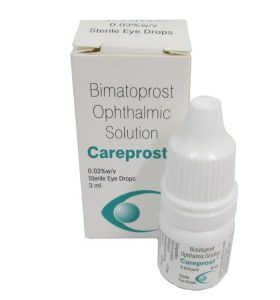
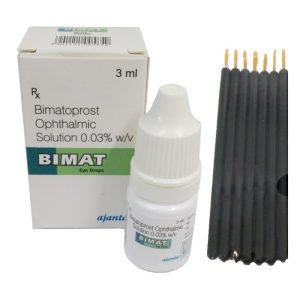
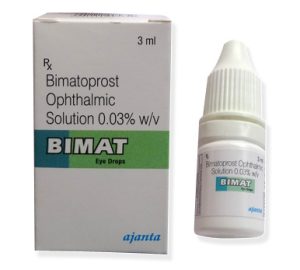
Common U.S. packaging includes Lumigan 3 mL bottles and multiple generic products in 3 to 5 mL bottles.
Region-specific packaging can differ, so the carton and insert should always match the local product registration.
Unauthorized eyelash-serum sellers often use small bottles that resemble eye drops, which is exactly why verification matters.
In our online pharmacy, bimatoprost is available without a prescription, with discreet delivery to United States in 5-14 days.
- Check that a prescription is on file when required.
- Look for sealed packaging.
- Confirm the lot number and expiration date.
- Verify the pharmacy before ordering.
- Review the bottle size and labeling carefully.
Price Comparison
Pricing changes with brand, generic status, country, and bottle size.
U.S. buyers may see Lumigan or a generic bimatoprost product, while other markets may use local names and regional packs.
It helps to compare cost per mL instead of only the shelf price.
| Brand | Generic | Pack Size | Practical Note |
|---|---|---|---|
| Lumigan | No | 3 mL | Reference product in many markets |
| Multiple generics | Yes | 3-5 mL | Often lower cost per mL |
| Regional brands | Varies | 3-10 mL | Packaging depends on the country |
Lumigan price buy online, bimatoprost generic, and bimatoprost manufacturers in India are among the most common comparison searches, especially when patients are weighing refill costs.
What Is Inside And How It Works
Ingredients Overview
Bimatoprost is the international nonproprietary name, and the common ophthalmic strength is 0.03% or 0.3 mg/mL.
It is available as an ophthalmic solution or drops, and Durysta is the intracameral implant used for specific cases.
Excipients vary by region, so the local package insert should always be checked.
| Form | Strength | Route |
|---|---|---|
| Ophthalmic solution/drops | 0.03% (0.3 mg/mL) | Topical eye use |
| Intracameral implant | N/A | Intraocular |
That is why bimatoprost ophthalmic solution and Lumigan show up so often in glaucoma treatment discussions.
Mechanism Basics
Bimatoprost is a prostaglandin analogue, sometimes described as a prostamide, that lowers intraocular pressure.
In simple terms, it helps eye fluid drain more effectively.
That pressure control helps protect the optic nerve in glaucoma.
Daily use matters because pressure-lowering treatment is a long-term goal, not a one-time fix.
Bimatoprost for glaucoma and Lumigan mechanism are the simplest ways to understand why the drop is used every day.
Main Uses And When Cosmetic Use Becomes A Problem
Approved Uses
In the United States, the approved indication is reduction of intraocular pressure in open-angle glaucoma and ocular hypertension.
It is also approved in the EU and other regulated markets, always as a prescription medicine.
Standard use remains once daily at night.
- Open-angle glaucoma.
- Ocular hypertension.
- Periodic follow-up to confirm pressure control.
Patients should expect regular eye-pressure checks because treatment is long-term and the response needs monitoring.
Off-Label Uses
Lash and eyebrow enhancement is an unapproved cosmetic use, even though bimatoprost is widely discussed online for that purpose.
That use should never be confused with glaucoma treatment.
The risk-benefit picture is different, and it should only be discussed with a licensed clinician.
Patients often recognize the term Latisse for eyelash growth, but cosmetic use is not the same as using bimatoprost eye drops for glaucoma.
Bimatoprost for glaucoma, Latisse eyelash growth serum, and bimatoprost topical are often mentioned together, but the clinical context is very different.
Interaction Warnings
Food Interactions
Food interactions are not a major issue because bimatoprost is applied to the eye, not swallowed.
Meals do not change the dose or timing.
Still, clinicians should know about supplements if a patient is using several eye products at once.
- Use it at the same time each day.
- Do not change the dose because of meals.
- Tell the clinician about all eye medicines being used.
- Leave a few minutes between different drops unless told otherwise.
Drug Conflicts
The main issue is overlap with other eye medicines, especially when combination therapy is used.
Multiple drops should be separated by several minutes.
That helps reduce washout and may limit additive irritation.
Systemic interactions are not usually a major concern, but systemic absorption is rare, not impossible.
Bimatoprost drug interactions, bimatoprost eye drops, and Bimatoprost + Timolol are the phrases that usually come up when patients are comparing glaucoma regimens.
Latest Evidence And Market Context
What Current Data Shows
Public-data signals show 211 international patents, 18 approved NDAs as of 2025, 12 master file entries, and more than 130 registered clinical trials.
That tells the story of a medicine with broad global availability and ongoing interest in glaucoma care.
More evidence usually means more manufacturer options and more pack variations.
| Data Point | Why It Matters |
|---|---|
| 211 international patents | Shows broad development and commercial interest |
| 18 approved NDAs | Supports regulated market access |
| 12 master file entries | Reflects supply-chain depth |
| 130+ clinical trials | Shows continued study and use in eye care |
What Patients Should Know Now
The treatment is established and widely used, but regular eye-pressure follow-up is still necessary.
Adverse effects and packaging details can vary by region and manufacturer.
Current labeling from FDA DailyMed, EMA/SPC documents, and local national registers remains the best source for product-specific details.
Bimatoprost clinical evidence, Lumigan labeling, and bimatoprost research are the terms that best capture this ongoing body of public data.
Alternative Choices To Discuss With A Clinician
Main Alternatives
Bimatoprost is one option in a broader glaucoma toolbox.
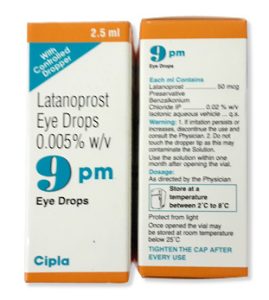
Other prostaglandin analogues include latanoprost, travoprost, and tafluprost.
Timolol belongs to a different class, the non-selective beta-blockers, and it is also used in combination therapy.
| Drug Class | Typical Role | Common Pros / Cons |
|---|---|---|
| Latanoprost | Prostaglandin analog | Once-daily convenience; class-wide side effects |
| Travoprost | Prostaglandin analog | Similar dosing; formulary differences |
| Tafluprost | Prostaglandin analog | Alternative when switching within class is needed |
| Timolol | Beta-blocker | Different class; may be used alone or in combinations |
Latanoprost vs Bimatoprost and Timolol eye drops are common comparison points when a regimen is being reviewed.
When A Switch Might Be Discussed
A clinician may consider a switch if redness, irritation, or cost becomes a problem.
Another reason is not hitting the target eye pressure.
No substitute should be chosen casually, because the decision depends on pressure goals, tolerability, and overall eye history.
Bimatoprost alternatives, latanoprost vs bimatoprost, and timolol eye drops are usually discussed during follow-up rather than at the first refill.
Regulation Snapshot
U.S., EU, And Global Status
Bimatoprost 0.03% is Rx-only in regulated markets, including the U.S. FDA and EU/EMA systems.
In the United States, Lumigan is the best-known brand, and Durysta is the implant used for specific cases.
Romania’s ANMDMR and other national agencies also list it as an authorized prescription medicine.
| Region | Status | Common Brand Names |
|---|---|---|
| United States | Prescription only | Lumigan, Durysta, generics |
| European Union | Prescription only | Lumigan, generics |
| Romania | Prescription only | Lumigan, generics |
| Other regulated markets | Prescription only | Local brands and generics |
Packaging And Supplier Notes
AbbVie/Allergan is the originator, and multiple generics are supplied by manufacturers such as Lupin, Apotex, and Sandoz.
Pack sizes and box design vary by jurisdiction, and EU packaging is manufactured by Allergan Pharmaceuticals Ireland.
Bimatoprost prescription only, Lumigan packaging, and bimatoprost generic approval are the phrases most tied to this regulatory picture.
Common Questions About Bimatoprost
Frequently Asked Questions
How long does it take to work? Pressure-lowering treatment is ongoing, and response is checked at follow-up visits rather than judged after one dose.
What if a dose is missed? Take it when remembered unless the next dose is close, and never double up.
Can it be used with contact lenses? Avoid lenses during administration unless the clinician says otherwise.
Why is my eye turning red? Red eye is a common side effect and should be reported if it is persistent or troublesome.
Can eyelash growth happen? Yes, eyelash growth is a known effect, and some patients notice it early.
Can eye color change? Iris pigmentation changes can occur and may be permanent in some cases.
When should a clinician be called? Pain, swelling, vision changes, or suspected infection need prompt review.
Bimatoprost FAQ, Lumigan questions, and bimatoprost side effects are the questions patients usually bring up before the first refill.
Safety And Long-Term Use
Long-term therapy is common as long as pressure lowering is still needed.
That is why regular monitoring matters even when the drops are working well.
Latisse-style eyelash growth is a separate concern from glaucoma treatment, so cosmetic expectations should not drive the care plan.
Bimatoprost FAQ, Lumigan questions, and bimatoprost side effects remain the most practical search themes for long-term users.
Guidelines For Proper Use
Step-By-Step Daily Use
Good technique prevents contamination and helps the medicine do its job.
- Wash your hands.
- Tilt your head back.
- Pull down the lower lid.
- Instill 1 drop in the affected eye.
- Close the eye gently.
- Do not touch the dropper tip to the eye, lashes, skin, or fingers.
Storage matters too.
- Store below 25°C.
- Do not freeze.
- Protect from heat and light.
- Discard 4 weeks after opening.
Those storage rules help limit contamination and keep the drop effective for the full in-use period.
Missed Dose, Overdose, And Follow-Up
If a dose is missed, take it as soon as it is remembered unless it is almost time for the next dose.
Do not double the dose.
For overdose, rinse with warm water.
If swallowed, supportive care and monitoring may be needed, although systemic toxicity is rare.
Periodic eye exams and therapy reassessment are important because bimatoprost is typically used long term.
Bimatoprost proper use, bimatoprost storage, and bimatoprost missed dose are the main practical points patients should keep in mind.
Delivery Across United States
| City | Region | Delivery Time |
|---|---|---|
| New York | Northeast | 5-7 days |
| Los Angeles | West | 5-7 days |
| Chicago | Midwest | 5-7 days |
| Houston | South | 5-7 days |
| Phoenix | West | 5-7 days |
| Philadelphia | Northeast | 5-7 days |
| San Antonio | South | 5-9 days |
| San Diego | West | 5-7 days |
| Dallas | South | 5-7 days |
| San Jose | West | 5-7 days |
| Austin | South | 5-7 days |
| Jacksonville | South | 5-9 days |
| Fort Worth | South | 5-9 days |
| Columbus | Midwest | 5-9 days |