
Eye Care
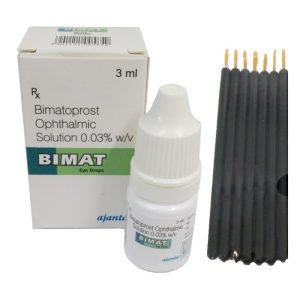
Bimat + Applicators
from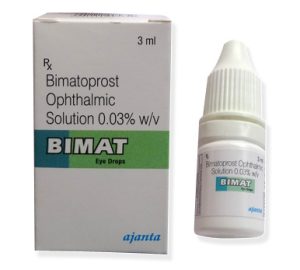
Bimatoprost
from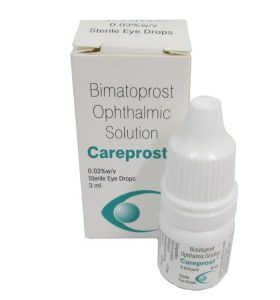
Careprost
from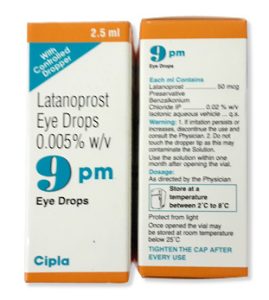
Xalatan
fromVision Correction & Eyewear Solutions
Vision problems affect millions of Americans, making correction and eyewear essential for daily life. Whether you’re nearsighted, farsighted, or experiencing presbyopia, proper vision correction improves safety and quality of life. Common vision issues include myopia, hyperopia, and astigmatism, all of which can be effectively managed with the right eyewear solutions.
Eyeglasses and contact lenses are the primary solutions, available in various styles and materials to suit different preferences and lifestyles. Frames range from classic to trendy designs, while lenses can include advanced technologies like blue light filtering. Contact lenses offer alternatives for those preferring a frameless option, including daily disposables, weekly, and monthly wear options that provide flexibility and convenience.
Reading glasses are crucial for people over 40 experiencing age-related vision changes, while computer glasses help reduce digital eye strain during prolonged screen time. Progressive lenses provide seamless vision correction at multiple distances without visible lines, offering a more natural viewing experience throughout the day.
Popular eyewear brands available in the United States include Ray-Ban, Warby Parker, and LensCrafters, each offering quality products and professional fitting services. Many insurance plans cover annual eye exams and provide allowances for frames and lenses, making quality eyewear more accessible to all Americans.
Dry Eye Syndrome Treatment
Dry eye syndrome affects approximately 16 million Americans and occurs when eyes don’t produce enough tears or produce poor-quality tears. This condition causes discomfort, blurred vision, and potential complications if left untreated, significantly impacting daily comfort and vision quality.
Common causes include screen time, age, medications, and environmental factors like dry climate or heating systems. Symptoms range from mild irritation to significant pain and sensitivity to light, making effective treatment essential for maintaining eye health and comfort.
Treatment options are available for different severity levels:
- Over-the-counter artificial tears provide immediate relief in various formulations, with popular brands including Systane, Refresh, and TheraTears
- Hypoallergenic options work well for sensitive eyes and reduce irritation
- Gel formulations offer longer-lasting protection for extended relief
- Prescription medications like Restasis and Xiidra help with moderate to severe cases
- Lubricating ointments are ideal for nighttime use, providing extended relief throughout sleep
Warm compress therapy, eyelid cleaning, and increased water intake also help manage symptoms naturally. For persistent dry eye, it’s important to consult with an eye care professional to determine the most effective treatment plan for your specific condition.
Allergy Relief for Eyes
Eye allergies affect countless Americans, particularly during spring and fall seasons. These allergies cause itching, redness, watery eyes, and swelling, significantly impacting comfort and vision during peak allergy times.
Common eye allergens include pollen, pet dander, dust mites, and mold spores. Both indoor and outdoor allergens trigger similar symptoms, with contact lens wearers experiencing heightened sensitivity during allergy season when allergens can accumulate on lens surfaces.
Antihistamine eye drops provide fast relief from itching and redness, with popular over-the-counter options including Visine-A, Zaditor, and Alaway. These drops work within minutes and are safe for regular use during allergy season, providing quick symptom relief when you need it most.
Decongestant eye drops reduce redness but shouldn’t be used long-term due to rebound effects. Combination products offering both antihistamine and decongestant properties provide comprehensive relief for multiple allergy symptoms simultaneously.
For chronic allergies, prescription eye drops like olopatadine and ketotifen offer stronger anti-inflammatory benefits and reduce both immediate and delayed allergic responses. Natural remedies complement medication, with cold compresses soothing irritation and reducing swelling. Removing contact lenses during allergy season and switching to glasses provides relief, while keeping windows closed and using air filters minimizes allergen exposure indoors.
Computer Vision Syndrome Prevention
Digital eye strain, or computer vision syndrome, affects 59% of Americans who spend extended hours on screens. Symptoms include dry eyes, blurred vision, headaches, and neck pain, all contributing to reduced productivity and discomfort during work and leisure activities.
Causes include reduced blinking during screen time, poor ergonomics, and blue light exposure from digital devices. The 20-20-20 rule helps prevention: every 20 minutes, look at something 20 feet away for 20 seconds to give your eyes periodic rest and relief.
Computer glasses are specifically designed for screen use, featuring special lens coatings that reduce blue light reflection and minimize strain. These glasses reduce glare and improve contrast, with popular brands like Felix Gray and EyeBuyDirect offering computer-specific frames and lenses designed for optimal viewing at screen distances.
Blue light filtering glasses have become increasingly popular among regular computer users. These lenses contain special coatings that block harmful blue light wavelengths emitted by screens, reducing eye strain and potentially improving sleep quality by limiting evening screen exposure.
Protective eye sprays and lubricating drops combat dryness associated with reduced blinking during screen time. Products like Systane Balance and Refresh Optive are formulated specifically for digital device users and provide targeted relief for screen-related dry eye symptoms.
Proper workstation setup is crucial for preventing computer vision syndrome. Positioning screens 20-26 inches away and slightly below eye level reduces strain on focusing muscles. Adequate lighting prevents glare and contrast issues, while regular screen breaks and blinking exercises maintain eye moisture and comfort throughout the workday.
Cataracts & Age-Related Conditions
Cataracts affect more than 24 million Americans aged 40 and older. This age-related condition causes clouding of the eye’s lens, progressively reducing vision quality and light transmission and impacting daily activities and safety.
Early-stage cataracts may be managed with stronger glasses, better lighting, and anti-glare sunglasses. UV-protective sunglasses prevent and slow cataract development by blocking harmful ultraviolet rays, with quality brands like Maui Jim and Ray-Ban offering excellent UV protection for long-term eye health.
Certain vitamins and antioxidants support eye health and may slow progression of age-related conditions. Lutein and zeaxanthin, found in supplements and foods, protect the macula and support central vision. Vitamins C and E, along with zinc, support overall eye function and may reduce age-related vision decline.
Advanced cataracts typically require surgical intervention when they significantly impact daily activities and safety. The American Academy of Ophthalmology provides guidance on when surgery becomes necessary for maintaining quality of life.
Age-related macular degeneration (AMD) affects central vision in seniors and requires early detection for best outcomes. Amsler grid self-testing helps detect early changes, and high-dose vitamin supplements containing specific formulations may slow progression in intermediate and advanced cases.
Presbyopia, another age-related condition, affects nearly everyone by age 50 as the eye’s lens loses flexibility. Reading glasses, bifocals, trifocals, and progressive lenses provide effective solutions for this universal condition. Blue light filtering readers combine vision correction with digital device protection for comprehensive eye care.
Eye Protection & Safety Products
Proper eye protection prevents injuries in various environments and activities, with workplace eye injuries affecting 2,000 Americans daily, many resulting from preventable accidents. Investing in quality eye protection protects your vision and prevents serious injuries.
Safety glasses come in various styles for different needs and work environments. Impact-resistant lenses protect against debris, chemicals, and flying objects commonly encountered in industrial and construction settings. ANSI Z87.1 certification ensures products meet safety standards for impact resistance and optical quality, providing reliable protection you can trust.
Sports eyewear provides specialized protection during athletic activities where eye injuries are common. Basketball, racquetball, and tennis players benefit from polycarbonate lenses offering superior impact resistance. Prescription sports glasses accommodate vision correction while maintaining safety standards, allowing athletes to see clearly while staying protected.
Specialized eyewear for welding, grinding, and chemical work provides targeted protection for hazardous environments. Welding and grinding require specialized dark lenses protecting against intense light and sparks, while chemical splash goggles prevent liquid injuries in laboratories and cleaning environments. Full-face shields provide comprehensive protection in high-risk situations.
UV protection sunglasses protect eyes during outdoor activities and recreation. Long-term UV exposure increases cataracts and macular degeneration risk, making sun protection essential. Wraparound styles offer maximum protection by blocking side angles and preventing UV rays from reaching eyes from all directions.
Protective eyewear for children prevents injuries during sports and play when young eyes are particularly vulnerable. Polycarbonate lenses are impact-resistant and lightweight, making them ideal for active kids. Many insurance plans cover pediatric safety glasses, making protection accessible for all children.
Safety gear maintenance extends product life and effectiveness for continued protection. Regular cleaning prevents scratches that reduce visibility and compromise safety. Proper storage protects lenses from damage, and replacement when lenses become scratched or damaged maintains optimal protection and clarity for your eyes.