Diamox
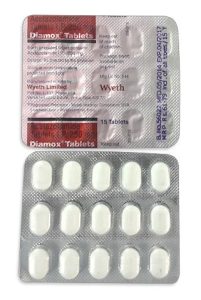
In brief
- You can buy diamox in some pharmacies without a prescription, but in most countries it is prescription-only. Availability, stock, and delivery depend on local pharmacy rules and regulations.
- Diamox is the brand name for acetazolamide. It is used mainly for glaucoma, edema due to heart failure or drug-induced fluid retention, certain types of epilepsy, idiopathic intracranial hypertension, and prevention or treatment of acute mountain sickness. It works as a carbonic anhydrase inhibitor, reducing fluid formation in the eye and promoting excretion of bicarbonate, sodium, and water by the kidneys.
- The usual adult dose depends on the condition: for glaucoma, 250–1000 mg per day in divided doses; for edema, 250–375 mg once daily; for epilepsy, 250–1000 mg per day in divided doses; and for altitude sickness prevention, 125–250 mg twice daily started before ascent.
- Diamox is taken by mouth as tablets or extended-release capsules. In some settings, injectable forms are also available for hospital use.
- Diamox usually starts working within a few hours after an oral dose. For altitude sickness prevention, it is often started 24–48 hours before ascent for best results.
- The duration of action is about 10–15 hours in adults, which is why it is often taken 2 to 4 times daily depending on the formulation and indication.
- Avoid alcohol or use it very cautiously, because alcohol can worsen dizziness, drowsiness, dehydration, and electrolyte imbalance while taking Diamox.
- The most common side effects are tingling in the hands or feet, increased urination, fatigue, taste changes, nausea, and low bicarbonate or other electrolyte disturbances.
- Would you like to try Diamox without a prescription?
Basic Diamox Information
- INN (International Nonproprietary Name): acetazolamide
- Brand names available in United States: Diamox, Diamox Sequels, generic acetazolamide
- ATC Code: S01EC01
- Forms & dosages: 250 mg tablets, and extended-release 500 mg capsules in some markets
- Manufacturers in United States: not specified
- Registration status in United States: prescription-only
- OTC / Rx classification: prescription-only
Everyday Use & Best Practices For Diamox
If Diamox is part of a normal day, the biggest question is usually simple: how do you take it without wrecking your schedule?
Diamox is the brand name for acetazolamide, a prescription carbonic anhydrase inhibitor used for glaucoma, epilepsy, edema in heart failure, and altitude sickness.
It is commonly dispensed as an acetazolamide tablet, most often the 250 mg tablet, with extended-release 500 mg capsules available in some markets.
For many people, the routine works best when it is tied to the morning commute, meals, and bathroom access rather than to guesswork.
Morning Vs. Evening Dosing
Most daily regimens are easier to manage earlier in the day because Diamox can increase urination.
That matters if the day already includes work meetings, driving, or a long flight.
When the dose is once daily for fluid retention, it is often taken in the morning so sleep is not interrupted.
For divided doses, spacing them evenly helps keep the medicine working steadily through the day.
If altitude travel is the reason for use, many travelers take it before the climb starts and keep the schedule consistent once they arrive.
Taking With Or Without Meals
Diamox can generally be taken with or without food.
Taking it just before or after a meal may reduce stomach upset for some people.
A full glass of water is a smart habit, especially if nausea, dry mouth, or extra urination is already part of the picture.
- Take it at the same time each day if your prescriber gave you a fixed schedule.
- Keep fluids up unless your doctor says otherwise.
- Plan bathroom breaks before long drives, flights, or presentations.
- Use the dose form your pharmacy dispensed, since acetazolamide 250 mg tablets and Diamox Sequels are not handled the same way.
In everyday use, a simple checklist beats memory: take the dose on time, watch hydration, and make sure the timing fits your sleep and travel plans.
Safety Priorities Before Starting Diamox
The first conversation about Diamox should be about who should not take it, not just about what it treats.
That is because acetazolamide side effects can become serious when kidney function, liver function, or electrolytes are already off balance.
Diamox warnings matter most for people with sulfonamide allergy, kidney disease, liver disease, cirrhosis, electrolyte problems, or pregnancy concerns.
Who Should Avoid It
Diamox is contraindicated in marked kidney disease, liver disease, hyponatremia, hypokalemia, hyperchloremic acidosis, and suprarenal gland failure.
Some labels also say it should not be used in pregnancy, especially in the first trimester.
That does not mean every person with a risk factor is excluded, but it does mean the prescriber has to weigh the benefit carefully.
Activities To Limit
Because acetazolamide can cause dizziness, dehydration, and changes in acid-base balance, some activities need caution.
- Do not drive if you feel lightheaded, weak, or unusually tired.
- Be careful with alcohol, especially at altitude or in hot weather.
- Watch for dehydration if you are hiking, flying, or working outdoors.
- Ask before using it with diuretics, seizure medicines, aspirin/salicylates, or kidney-risk drugs.
If swelling, shortness of breath, severe rash, confusion, or severe weakness appears, the safest move is to contact a clinician quickly.
Dosage & Adjustments
Diamox dosage depends on why it is being used, and the prescriber should adjust it for age, kidney function, and the target condition.
Some people need a short-term rescue plan, while others need a daily regimen that is titrated slowly.
Diamox Sequels 500 mg twice daily appears in labeling for certain situations, while other regimens use immediate-release acetazolamide tablets in divided doses.
General Adult Regimen
| Indication | Real-World Adult Dose | Common Pattern |
|---|---|---|
| Glaucoma | 250–1000 mg/day | Divided doses; Diamox Sequels 500 mg twice daily in labeling |
| Edema | 250–375 mg once daily | Usually in the morning; sometimes intermittent schedules |
| Epilepsy | 250–1000 mg/day | Divided doses |
| Altitude sickness prevention | 500–1000 mg/day | Started 24–48 hours before ascent |
Special Cases For Children, Kidneys, And Older Adults
Children are dosed by weight, with a typical range of 8–30 mg/kg/day and a maximum of 750 mg/day.
Older adults often need closer monitoring because acetazolamide is cleared by the kidneys.
When kidney function is reduced, the safest approach is usually the lowest effective dose, and sometimes the medicine is avoided altogether.
If the medicine is being used for altitude travel, the dose may be started before the trip rather than after symptoms begin, which makes a big difference in how well it works.
Real-World User Experience With Diamox
Patients tend to describe Diamox as effective but not especially gentle.
That is a fair summary of why it stays useful in specialty care and why side effects often determine whether people continue it.
Across patient platforms, Diamox averages around 6.5/10, with many users reporting symptom relief and frequent reports of tingling, fatigue, altered taste, and frequent urination.
Positive Reports
People using Diamox for idiopathic intracranial hypertension often say pressure and headaches ease after titration.
Glaucoma patients often notice the number on the eye-pressure check drop, even if they do not “feel” a dramatic change.
Travelers using acetazolamide for altitude sickness often say they sleep better and tolerate higher elevations more comfortably.
Common Challenges
The first few days can bring odd but common complaints.
- Tingling in the hands or feet.
- More frequent urination.
- Fatigue or low energy.
- A metallic or altered taste.
For many users, those effects are manageable; for others, they are the reason the dose has to be reduced or the medicine changed.
Buying Guide For Diamox And Acetazolamide
Most patients obtain Diamox through a retail pharmacy, an online pharmacy, or a prescription fulfillment channel.
In many markets it is sold as generic acetazolamide rather than the brand name, and the package may be a carton of 250 mg tablets or an extended-release capsule product.
In our online pharmacy, diamox is available without a prescription, with discreet delivery to United States in 5-14 days.
Pharmacy Sources
Retail stores are the easiest option when a local prescriber has already sent the order.
Online pharmacies are often used for convenience, refill timing, and access to generic acetazolamide when the brand is not stocked.
Because availability varies by chain and country, some customers end up comparing several pharmacies before they find the right strength.
Price Comparison
| Option | Typical Packaging | Availability |
|---|---|---|
| Diamox | 250 mg tablets or Sequels 500 mg | Brand availability varies |
| Generic acetazolamide | 250 mg tablets, sometimes other strengths | More common in pharmacies |
Generic acetazolamide is often the easier and cheaper route, while the brand name may still matter to patients who have done well on a specific product before.
What’s Inside Diamox & How It Works
The active ingredient is acetazolamide.
Diamox is a carbonic anhydrase inhibitor and a sulfonamide derivative, which is why it changes fluid handling in the kidneys and pressure dynamics in the eye and brain.
Ingredient Overview
Acetazolamide is the substance doing the actual work, whether the label says Diamox, Diamox Sequels, or generic acetazolamide.
Mechanism Basics
Here is the short version:
- Enzyme blocked: carbonic anhydrase.
- Fluid changes: the kidneys excrete more sodium, bicarbonate, potassium, and water.
- Eye effect: less aqueous humor production lowers intraocular pressure.
- Altitude effect: mild metabolic acidosis stimulates ventilation and helps with oxygen adaptation.
That is why the same medicine can show up in glaucoma care, edema care, seizure care, and altitude-sickness prevention.
Main Approved Uses Of Diamox
The approved uses are straightforward, but they do very different jobs in daily life.
One patient may be using it as a short-term rescue for eye pressure, while another starts it before a mountain trip.
| Use | Why It Helps | Everyday Role |
|---|---|---|
| Glaucoma | Lowers intraocular pressure | Often short-term or adjunctive in urgent care |
| Edema | Promotes fluid loss | Adjunct option in specific fluid-retention cases |
| Epilepsy | Supports seizure control | Adjunctive use in selected seizure types |
| Altitude sickness | Helps acclimatization | Prevention before ascent and early travel days |
For glaucoma, it is often used when topical drops are not enough or when rapid pressure lowering is needed.
For edema, it is a mild diuretic option, especially when fluid overload and metabolic alkalosis are part of the picture.
For epilepsy, it is an adjunct rather than a first-line anticonvulsant in most modern practice.
For altitude sickness, it is a standard prophylactic choice when the ascent is fast or symptoms have been a problem before.
Off-Label Uses And Why Doctors Sometimes Prescribe It
Off-label use does not mean unsafe.
It means the use is guided by specialist judgment instead of a standard label indication.
Diamox is sometimes used for idiopathic intracranial hypertension, some pressure-related headaches, and other specialty settings.
Idiopathic Intracranial Hypertension
IIH is one of the best-known off-label uses because acetazolamide can reduce cerebrospinal fluid production.
Patients often describe less head pressure, fewer visual symptoms, and better tolerance once the dose is adjusted carefully.
Migraine And Other Specialty Uses
- Idiopathic intracranial hypertension.
- Some headache and pressure-related neurologic uses.
- Selected cardiorespiratory applications under specialist care.
When a specialist uses Diamox off-label, the dose and monitoring usually become more important, not less.
Interaction Warnings With Diamox
Diamox can be a good medicine with the wrong mix and a problem with the wrong body chemistry.
Because it can cause metabolic acidosis and electrolyte shifts, every new medication or supplement deserves a quick check.
Food And Drink Interactions
Dehydration is the biggest everyday interaction risk, especially with alcohol, heat, or high altitude.
Aspirin and salicylates can also matter at high doses.
Drug Conflicts
- Other diuretics.
- Seizure medicines.
- Kidney-risk medicines.
- Electrolyte-altering drugs.
Before combining acetazolamide tablet therapy with another medicine, it is worth asking a pharmacist or prescriber whether lab monitoring should be added.
Latest Evidence & Research Trends
Recent research from 2022 to 2025 has focused on getting the same benefit with fewer side effects.
That means lower effective doses, better patient selection, and closer attention to kidney stone risk.
Recent Clinical Trials
| Current Use | Emerging Evidence | Why It Matters |
|---|---|---|
| Glaucoma and altitude sickness | Ongoing use remains strong | Still central to specialty prescribing |
| Heart failure and sleep apnea | Growing trial interest | Possible broader diuretic or breathing support role |
| IIH | Still a first-line pharmacologic option | Visual outcomes and papilledema remain key endpoints |
| Kidney stone risk | More attention at higher doses | Supports lowest effective dose strategy |
What May Change Next
The biggest trend is not a brand-new use; it is smarter use of an old medicine.
That means using the lowest effective dose, checking kidney function, and matching the regimen to the condition instead of treating every case the same way.
Alternatives To Diamox
Diamox is not the default choice for every pressure-related or migraine-like complaint.
When the goal is migraine prevention, topiramate and propranolol are better established.
Topiramate
Topiramate is one of the better-known first-line migraine preventives and is more standard than acetazolamide for most headache patients.
It can still cause tingling, cognitive fog, and kidney stone concerns, so “standard” does not mean side-effect-free.
Propranolol And Other Options
| Medication | Best Overlap | How It Compares With Diamox |
|---|---|---|
| Topiramate | Migraine prevention | More established for migraine |
| Propranolol | Migraine prevention | Classic first-line beta-blocker |
| Diamox | Pressure-related symptoms, altitude sickness | More niche, especially outside glaucoma and altitude care |
For the patient comparing Diamox alternatives, the main question is usually not which drug is strongest, but which one matches the condition best.
Regulation Snapshot And Brand Names
The INN is acetazolamide, and Diamox is the originator brand recognized in the US, UK, EU, and other regions.
Diamox Sequels is the extended-release US brand, while many pharmacies list only the generic acetazolamide tablet.
| Brand | Strength | Package Format |
|---|---|---|
| Diamox | 250 mg | Tablets in blisters/cartons |
| Diamox Sequels | 500 mg | Extended-release capsules |
| Generic acetazolamide | 125–250 mg, sometimes 500 mg | Tablets, and some hospital formats |
Because labels and package counts vary by country and chain, the pharmacy listing matters almost as much as the medicine name.
FAQ On Proper Use Of Diamox
These are the questions customers ask most often when they are deciding whether to start, refill, or travel with Diamox.
Common Dosing Questions
- What is Diamox usually used for? Glaucoma, epilepsy, edema, altitude sickness, and some specialist off-label uses.
- How does it work? It blocks carbonic anhydrase, changing fluid balance and pressure.
- Can it be taken with or without food? Yes, with or without food.
Missed Doses, Food, And Travel Questions
- When should altitude prevention start? 24–48 hours before ascent.
- What if a dose is missed? Take it when remembered unless the next dose is close; do not double up.
- Does travel change the routine? Yes, especially if the medicine is being used for altitude or long flights.
- Morning or night? Morning is often easier when urination could disrupt sleep.
As a practical rule, Diamox works best when the schedule is simple enough that it can actually be followed on a real day, not just on paper.
Delivery Across United States
| City | Region | Delivery time |
|---|---|---|
| New York City | Northeast | 5-7 days |
| Los Angeles | West | 5-7 days |
| Chicago | Midwest | 5-7 days |
| Houston | South | 5-7 days |
| Phoenix | West | 5-7 days |
| Philadelphia | Northeast | 5-7 days |
| San Antonio | South | 5-9 days |
| San Diego | West | 5-7 days |
| Dallas | South | 5-7 days |
| San Jose | West | 5-7 days |
| Austin | South | 5-7 days |
| Jacksonville | South | 5-9 days |
| Fort Worth | South | 5-9 days |
| Columbus | Midwest | 5-9 days |
| Charlotte | South | 5-9 days |
If you are comparing acetazolamide brands in US pharmacies, the most useful question is usually which strength is in stock, which package format is being dispensed, and whether the plan matches the reason for treatment.