Itraconazole
In brief
- In our pharmacy, itraconazole can be purchased without a prescription, with delivery available in many regions and discreet packaging. However, in most countries it is officially a prescription-only antifungal.
- Itraconazole is used to treat fungal infections such as onychomycosis (nail fungus), dermatophyte skin infections, oral and esophageal candidiasis, and some systemic mycoses like histoplasmosis and aspergillosis. It works by inhibiting fungal lanosterol 14-alpha-demethylase, which blocks ergosterol synthesis and disrupts the fungal cell membrane.
- The usual adult dose depends on the infection: 200 mg/day for onychomycosis, 100–200 mg/day for candidiasis, and 200–400 mg/day for systemic fungal infections. Exact dosing should be individualized by a clinician.
- Itraconazole is available as capsules/tablets, oral solution, and in some settings IV infusion.
- Itraconazole typically begins working within a few hours after a dose, but visible improvement in fungal infections often takes several days to weeks.
- The duration of action is prolonged; it is usually taken once or twice daily, and treatment may continue for weeks to several months depending on the infection.
- Alcohol is not strictly contraindicated, but it is best to avoid or minimize alcohol because itraconazole can affect the liver and alcohol may increase the risk of liver irritation or toxicity.
- The most common side effects are nausea, vomiting, diarrhea, abdominal pain, headache, dizziness, rash, and elevated liver enzymes.
- Would you like to try itraconazole without a prescription?
Basic Itraconazole Information
- INN (International Nonproprietary Name): Itraconazole
- Brand Names Available in United States: Sporanox, Onmel, and generics sold under the itraconazole name
- ATC Code: J02AC02
- Forms & Dosages: Capsules/Tablets 50 mg, 100 mg, 200 mg; Oral Solution 10 mg/mL; IV Infusion 200 mg/25 mL
- Manufacturers in United States: Janssen Pharmaceutica/Johnson & Johnson; Merz; plus many generic manufacturers and hospital suppliers
- Registration Status in United States: FDA-approved prescription product for systemic and certain localized fungal infections
- OTC / Rx Classification: Prescription-only medication (Rx) nearly everywhere, not available OTC
Everyday Use & Best Practices
Morning Vs Evening Dosing
Wondering when itraconazole fits best into a busy day?
This prescription-only antifungal medication should be taken exactly as prescribed, because the dose and schedule depend on the infection being treated.
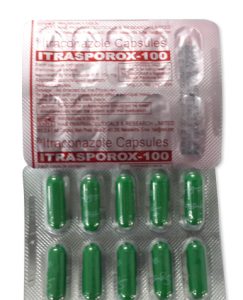
In U.S. pharmacies, itraconazole capsules are commonly seen as 100 mg strength, while capsules and tablets may also come in 50 mg and 200 mg strengths in some markets.
The oral solution is 10 mg/mL.
Brands such as Sporanox capsules, Onmel, and generics can differ by country, so the label matters more than the brand name.
- Take it at the same time every day.
- Do not change the dose on your own.
- Follow the directions on your label exactly.
A simple routine helps a lot, especially for people taking itraconazole for fungal infection over several weeks.
Taking With Or Without Meals
Could food change how this antifungal medication works?
Yes, the answer depends on the formulation.
Different products can have different instructions, so patients need to follow the product label or pharmacist directions rather than guessing.
If the label says to take it with a meal, pairing the dose with breakfast or dinner can make the habit easier to remember.
Switching between itraconazole capsules and itraconazole oral solution without guidance can lead to confusion, because the directions are not always the same.
| Form | Common Packaging | Daily Use Tip |
|---|---|---|
| Itraconazole capsules/tablets | Blister packs or bottles | Follow the meal instructions on the label and keep the timing consistent |
| Itraconazole oral solution | Bottles, commonly 150 mL or 300 mL | Use the pharmacist’s directions exactly and do not copy capsule instructions |
Safety Priorities
Who Should Avoid It
Thinking about starting itraconazole without checking the fine print?
That is not a good idea, because this is not an OTC medicine and it has major restrictions.
Some people should not use itraconazole at all, and others need specialist oversight.
- Do not use in pregnancy unless the infection is life-threatening.
- Do not use with known hypersensitivity to itraconazole or excipients.
- Do not use in active or chronic hepatic impairment.
- Do not use with dangerous CYP3A4 substrates such as terfenadine, cisapride, pimozide, quinidine, and dofetilide because of serious arrhythmia risk.
- Use only with specialist guidance if there is heart failure history, liver disease, kidney disease, or complex drug therapy.
Activities To Limit
People with congestive heart failure, older adults, and patients with liver or kidney disease need closer monitoring.
Starting new supplements or prescriptions without a medication check can create avoidable itraconazole interactions.
Report dizziness, swelling, or palpitations promptly, especially if symptoms begin after a dose change.
Rare but serious itraconazole side effects include hepatotoxicity, heart failure, and QT prolongation.
- Call urgently for shortness of breath or leg swelling.
- Call urgently for yellowing skin or dark urine.
- Call urgently for fainting, severe dizziness, or palpitations.
- Call urgently for a widespread rash or severe vomiting.
Dosage & Adjustments
General Regimen
How much itraconazole is usually used?
The prescriber chooses the regimen based on infection type and severity, and the duration can range from days to months.
Common adult dosing patterns are summarized below.
| Condition | Usual Adult Dosage | Typical Duration |
|---|---|---|
| Onychomycosis | 200 mg/day | 6 weeks to 3 months |
| Systemic mycoses | 200–400 mg/day | Several months, individualized |
| Oropharyngeal/esophageal candidiasis | 100–200 mg/day | 1–2 weeks |
| Dermatomycoses | 200 mg/day or 100 mg twice daily | 7–15 days |
For nail fungus, treatment often lasts long enough that patients need a reminder system to stay on track with itraconazole treatment duration.
Special Cases
Do not self-adjust a dose just because symptoms improve early.
Children generally need specialist dosing by weight.
Older adults may need a lower starting dose and closer monitoring.
Renal or liver impairment can change how the drug behaves, and the oral solution may be preferred in some renal cases.
- Dose may be adjusted if the patient is a child.
- Dose may be adjusted if there is liver impairment.
- Dose may be adjusted if there is kidney disease.
- Dose may be adjusted if the patient is older and frail.
User Testimonials
Positive Reports
What do patients usually like about itraconazole review stories?
Most positive reports are about convenience and the ability to treat fungal infections with oral therapy.
People often mention nail fungus, yeast infections, and some systemic fungal infections as the reasons they were prescribed itraconazole capsules or itraconazole oral solution.
- “The oral treatment was easier than dealing with a long course of topical products.”
- “My pharmacist explained the Sporanox capsules directions clearly, which helped a lot.”
- “Having a familiar brand name made the prescription easier to follow.”
Common Challenges
The most common complaints are nausea, stomach upset, dizziness, and confusion when capsule and oral-solution directions do not match.
Cost and pharmacy availability can vary by country, and a valid prescription is often needed at retail counters.
- Nausea or abdominal discomfort after doses.
- Mix-ups between capsule and liquid instructions.
- Price differences between brand and itraconazole generic products.
- Questions about availability that should be discussed with a pharmacist.
Buying Guide
Pharmacy Sources
Where should itraconazole come from?
In the U.S., itraconazole is prescription-only and should be filled through a licensed pharmacy.
Trusted options include retail pharmacies, hospital pharmacies, and licensed online pharmacies that require a valid prescription.
Recognized names include Sporanox, Onmel, Orungal, and many generics sold under the INN.
- Verify the prescription requirement.
- Use a licensed pharmacy.
- Confirm the exact dosage form before ordering.
For access, some patients also look for discreet delivery, and in our online pharmacy itraconazole is available without a prescription with discreet delivery to United States in 5-14 days.
Price Comparison
What affects itraconazole price?
Costs vary by country, brand, strength, dosage form, and packaging.
Blister packs are common for capsules and tablets, while the oral solution comes in bottles.
| Option | Form | Cost Considerations |
|---|---|---|
| Brand | Sporanox or Onmel | May cost more because of brand recognition and market availability |
| Generic | Itraconazole capsules or oral solution | Often lower cost, but strength and form still need to be confirmed |
What’s Inside & How It Works
Ingredients Overview
The active ingredient is itraconazole, the International Nonproprietary Name used worldwide.
Available pharmaceutical forms include capsules/tablets, oral solution, and IV infusion in some settings.
| Form | Strength | Typical Packaging |
|---|---|---|
| Capsules/Tablets | 50 mg, 100 mg, 200 mg | Blister strips or bottles |
| Oral Solution | 10 mg/mL | 150 mL or 300 mL bottles |
| IV Infusion | 200 mg/25 mL | Hospital vials |
Mechanism Basics
Itraconazole is a triazole antifungal, listed under ATC code J02AC02.
In plain language, it interferes with fungal cell membrane production, which helps stop fungal growth.
- Useful against dermatophytes.
- Useful against yeasts.
- Used for selected systemic fungal infections.
Main Indications
Approved Uses
What is itraconazole used for?
FDA approval in the United States covers systemic and certain localized fungal infections, and EMA authorization covers various indications in Europe.
Common clinical uses include onychomycosis, oropharyngeal and esophageal candidiasis, dermatomycoses, histoplasmosis, and aspergillosis.
| Condition | Typical Form | Usual Duration |
|---|---|---|
| Onychomycosis | Capsules or tablets | 6 weeks to 3 months |
| Candidiasis | Oral solution or capsules | 1–2 weeks |