
Antifungals
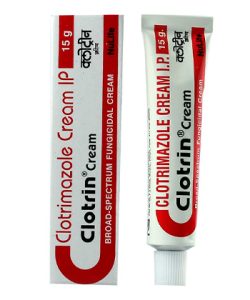
Clotrimazole
from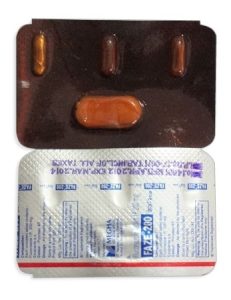
Diflucan
from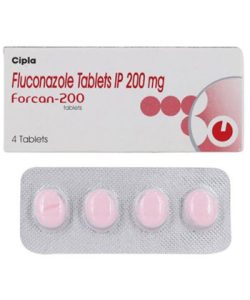
Fluconazole
from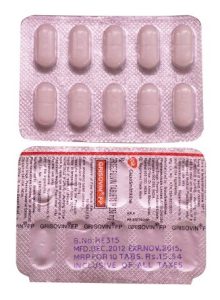
Grifulvin
from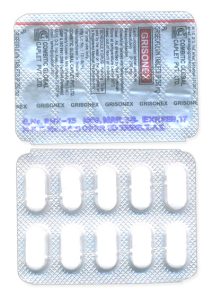
Grifulvin V
from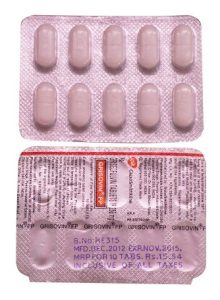
Griseofulvin
from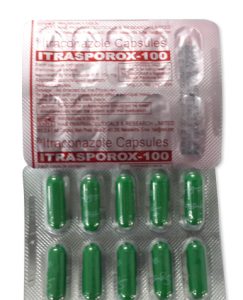
Itraconazole
from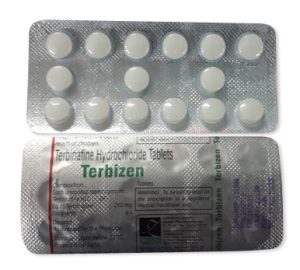
Lamisil
from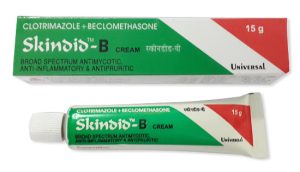
Lotrisone
from
Nizoral
from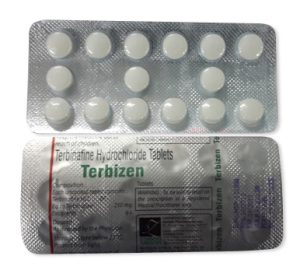
Terbinafine
from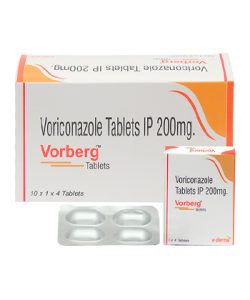
Vfend
fromUnderstanding Antifungal Medications
Antifungal medications are pharmaceutical treatments designed to eliminate fungal infections or stop their growth in the body. These medications work by targeting the unique characteristics of fungal cells, disrupting their cell walls or interfering with their metabolic processes. Unlike antibiotics that treat bacterial infections, antifungals are specifically formulated to combat various types of fungi that cause infections ranging from minor skin conditions to serious systemic diseases. The human body naturally hosts many fungi, but when these organisms multiply excessively or enter areas where they shouldn’t be, infections develop. Antifungal drugs are essential in modern medicine, helping millions of people manage conditions that can cause significant discomfort and health complications. Different types of antifungals work in different ways, and your healthcare provider will recommend the most appropriate medication based on the type of fungal infection, its severity, and your individual health circumstances. Understanding how these medications function helps patients use them more effectively and appreciate their role in maintaining good health.
Common Types of Fungal Infections
Fungal infections occur in various forms and affect different parts of the body. Athlete’s foot is one of the most common fungal infections, developing between the toes and causing itching, burning, and cracked skin. Yeast infections, caused by Candida albicans, frequently affect women and can also occur in the mouth as oral thrush. Ringworm, despite its name being a fungal infection rather than a parasitic worm, appears as circular, scaly patches on the skin. Toenail fungus creates thick, discolored, and brittle nails that can be both unsightly and uncomfortable. Jock itch affects the groin area with similar symptoms to athlete’s foot, including redness and intense itching. Fungal infections can also affect the scalp, causing hair loss and flaking. More serious conditions include valley fever, histoplasmosis, and blastomycosis, which affect the lungs and can spread throughout the body. Systemic fungal infections are particularly concerning in individuals with weakened immune systems. Each type of infection may require different treatment approaches and varying durations of therapy. Prompt identification and treatment of fungal infections prevent them from spreading and worsening.
Topical Antifungal Medications
Topical antifungals are applied directly to the skin, nails, or affected areas and represent the first line of treatment for many fungal infections. These medications are available in various formulations and provide convenient, localized treatment options for most common fungal conditions.
Available Topical Options
Clotrimazole cream and solution are widely used for treating athlete’s foot, jock itch, and ringworm, with most people seeing improvement within two to four weeks of regular application. Miconazole nitrate is another popular over-the-counter option available in creams, powders, and sprays that effectively combat various fungal infections on the skin. Tolnaftate is particularly effective for athlete’s foot and ringworm and is available in gel, powder, and spray formulations. Terbinafine cream provides rapid relief for fungal skin infections and is often preferred for its shorter treatment duration. For toenail fungus, amorolfine nail lacquer is specifically designed to penetrate the nail plate and treat infections at the source.
Undecylenic acid, derived from castor oil, serves as a natural alternative for mild fungal infections and is found in various over-the-counter products. Ketoconazole cream is prescribed for more resistant fungal infections and seborrheic dermatitis. Econazole nitrate cream treats various fungal infections and some bacterial conditions simultaneously. These topical medications are generally safe with minimal side effects when used as directed and are often available without requiring a prescription from your doctor.
Oral Antifungal Medications
Oral antifungals are systemic medications taken by mouth to treat fungal infections throughout the body or severe localized infections resistant to topical treatment. These medications offer broader coverage and are essential for addressing serious fungal infections.
Common Oral Antifungals
- Fluconazole – one of the most commonly prescribed oral antifungals, effectively treating yeast infections, oral thrush, and various fungal infections with convenient once-daily dosing
- Terbinafine tablets – particularly effective for toenail fungus, typically requiring six to twelve weeks of treatment depending on which nail is affected
- Itraconazole – a versatile antifungal used for fungal infections of the nails, skin, and systemic conditions, often prescribed when other treatments prove ineffective
- Griseofulvin – used for decades to treat fungal infections of the skin, hair, and nails, though it requires consistent use over several months for optimal results
- Ketoconazole tablets – though less commonly prescribed now due to potential liver complications, still used for certain fungal infections when other options aren’t suitable
- Voriconazole – reserved for more serious fungal infections and typically administered in hospital settings or under close medical supervision
- Posaconazole – another advanced antifungal for serious infections, primarily used in immunocompromised patients
Most oral antifungals require a prescription from your healthcare provider, who will determine the appropriate medication, dosage, and treatment duration based on your specific infection and medical history. Regular monitoring during treatment ensures the medication is working effectively and not causing adverse effects.
Prescription Strength and Antifungal Choices
Prescription antifungals offer stronger formulations and broader spectrum coverage than over-the-counter options, making them necessary for severe, stubborn, or systemic infections. Naftifine cream and gel are prescription-strength topicals that provide faster results than many over-the-counter alternatives for fungal skin infections. Oxiconazole nitrate cream treats various fungal infections of the skin and is available exclusively by prescription. Sulconazole nitrate is another prescription topical option for skin fungal infections with proven efficacy in clinical settings. Ciclopirox olamine is used for fungal infections of the skin and nails and represents one of the few prescription options specifically formulated for nail fungal infections when applied as a lacquer. Butenafine hydrochloride cream, available by prescription, provides powerful antifungal action against common skin fungi.
For more serious or invasive fungal infections, amphotericin B remains a critical medication, though it’s typically administered intravenously in hospital settings. Caspofungin is used for serious fungal infections in hospitalized patients and represents a newer class of antifungals called echinocandins. Anidulafungin serves similar purposes for treating serious candidal infections in medical settings. Your doctor prescribes these stronger medications when regular treatments haven’t worked, when infections are severe, or when your immune system is compromised. The decision to use prescription antifungals involves careful consideration of benefits, potential side effects, and your individual health status.
Using Antifungals Safely and Effectively
Successful treatment of fungal infections requires proper medication use, consistency, and understanding of important safety considerations. Always follow your healthcare provider’s or pharmacist’s instructions regarding dosage, frequency, and treatment duration, even if symptoms improve before completing the full course. For topical antifungals, clean and dry the affected area thoroughly before application, as fungi thrive in moist environments. Apply creams and solutions to the entire affected area and slightly beyond the visible infection to prevent recurrence. Continue using topical antifungals for at least two weeks after symptoms disappear to eliminate fungal spores that may remain.
For oral antifungals, take them exactly as prescribed, often with food to improve absorption and minimize stomach upset. Inform your healthcare provider about all medications you’re taking, as some antifungals interact with blood thinners, diabetes medications, and other drugs. Report any unusual side effects such as severe nausea, persistent headaches, or changes in vision immediately to your doctor. Pregnant women should discuss antifungal use with their obstetrician, as some medications may not be appropriate during pregnancy. Keep antifungal medications in cool, dry places away from direct sunlight and moisture. Prevent fungal infections from recurring by maintaining good hygiene, keeping skin dry, wearing breathable clothing, and avoiding walking barefoot in public areas. If your infection doesn’t improve after two weeks of treatment, contact your healthcare provider for evaluation and possible medication adjustment.