Fluconazole
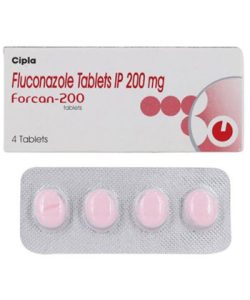
In brief
- You can buy fluconazole from pharmacies and online pharmacies in many countries; however, it is prescription-only in most markets and should be used under medical supervision.
- Fluconazole is an antifungal medicine used to treat and prevent infections caused by Candida and Cryptococcus species. It works by inhibiting fungal ergosterol synthesis, which weakens the fungal cell membrane and stops fungal growth.
- The usual adult dose depends on the infection: 150 mg as a single dose for vaginal candidiasis, 100 mg daily for oropharyngeal candidiasis, 200–400 mg daily for esophageal candidiasis, and 400–800 mg daily for some systemic infections.
- It is taken by mouth as capsules, tablets, or oral suspension, and it can also be given by intravenous infusion.
- Fluconazole usually starts working within a few hours after a dose, but symptom relief may take 1–3 days depending on the type and severity of infection.
- The duration of action is about 24 hours, which is why it is commonly dosed once daily.
- Alcohol is not absolutely contraindicated, but it is best to avoid or limit it because alcohol may worsen stomach upset and add strain on the liver.
- The most common side effects are nausea, abdominal pain, diarrhea, headache, rash, and elevated liver enzymes.
- Would you like to try fluconazole without a prescription?
Basic Fluconazole Information
- INN (International Nonproprietary Name): Fluconazole
- Brand names available in United States: Diflucan, generic fluconazole
- ATC Code: J02AC01
- Forms & dosages: Capsule/Tablets 50 mg, 100 mg, 150 mg, 200 mg; Oral Suspension 10 mg/ml, 40 mg/ml; IV Solution 2 mg/mL, 200 mg/100 mL; Infusion Vial 200 mg, 400 mg
- Manufacturers in United States: Pfizer, Teva, Baxter, Hospira, Apotex, Aurobindo, Mylan, Sandoz, Hikma, Glenmark, Dr. Reddy’s, Claris Lifesciences, Gedeon Richter
- Registration status in United States: Approved by the FDA
- OTC / Rx classification: Prescription only (Rx)
Everyday Use And Best Practices
Wondering when to take fluconazole so it fits real life?
For most people, this once-daily antifungal is easiest to keep consistent when tied to a routine you already never skip.
A morning dose can work well if you already take other medications before work, while evening dosing may feel gentler if the yeast infection pill causes mild nausea.
Food is not required for absorption, so fluconazole can be taken with or without meals.
If your stomach feels off, a small snack or light meal may make the dose easier to tolerate.
Here is a simple checklist that helps patients stay on track.
- Take fluconazole at the same time each day if your prescription calls for daily dosing.
- Set a phone reminder or connect it to brushing your teeth.
- Keep tablets in a dry place below 25°C/77°F and protect them from moisture.
- If you use a reconstituted oral suspension, follow the label storage directions exactly.
- Pair the dose with another routine, such as breakfast coffee or bedtime pills.
People often do best when the schedule is simple, because daily dosing is easier to remember than trying to “fit it in later.”
That small habit matters whether the prescription is for Diflucan capsules, generic fluconazole tablets, or liquid oral suspension.
Safety Priorities
Who should stop and check with a clinician before starting this Rx antifungal?
Anyone with a known allergy to fluconazole or other azole antifungals should not use it.
High-dose or prolonged use is contraindicated in pregnancy, so pregnancy status should always be reviewed before treatment begins.
Extra caution is also important if there is a history of QT prolongation, arrhythmia, liver disease, or kidney problems.
Driving is another practical issue, because dizziness or feeling unwell can make it unsafe to get behind the wheel until you know how you respond.
Do not start or stop interacting drugs on your own, especially medicines that affect heart rhythm.
- Severe rash.
- Swelling of the face, lips, tongue, or throat.
- Trouble breathing.
- Fainting or palpitations.
- Yellowing of the skin or eyes.
- Dark urine.
- Severe fatigue.
Those symptoms can signal a serious reaction or liver problem and need urgent care.
Fluconazole safety is usually good when the drug is prescribed carefully, but contraindications and antifungal precautions matter just as much as the dose itself.
Dosage And Adjustments
How much fluconazole is used depends on the infection, the person’s age, and kidney or liver function.
For common adult regimens, the 150 mg dose is often used as a single-dose treatment for vaginal candidiasis.
Other infections usually need longer courses and sometimes higher daily amounts.
| Condition | Usual Adult Dose | Typical Duration |
|---|---|---|
| Vaginal candidiasis | 150 mg once | 1 day |
| Oropharyngeal candidiasis | 100 mg/day | 7–14 days |
| Esophageal candidiasis | 200–400 mg/day | 14–30 days |
| Cryptococcal meningitis | 400 mg on day 1, then 200–400 mg/day | 6–8 weeks or longer |
| Systemic candidiasis or prophylaxis | 400–800 mg/day | Variable |
Children are often dosed by weight at 6–12 mg/kg/day, depending on the condition.
Older adults may use standard adult dosing, but kidney function should be watched closely.
Renal adjustment is usually needed after the first standard dose, and hepatic impairment calls for caution and liver enzyme monitoring.
If a dose is missed, take it when remembered unless it is close to the next dose.
Never double up.
That simple rule helps prevent unnecessary side effects and dosing errors, especially with an oral suspension or a multi-day capsule regimen.
User Testimonials
What do people usually like most about fluconazole?
Many patients say the single 150 mg dose for a vaginal yeast infection is convenient and easy to finish.
Others appreciate the once-daily schedule and the choice of capsules, tablets, suspension, or IV forms depending on the infection.
- Convenient single-dose treatment for vaginal candidiasis.
- Simple once-daily schedule for longer courses.
- Multiple dosage forms for swallowing problems or hospital use.
What problems do people mention most often?
Nausea, abdominal pain, headache, and mild rash are the complaints that come up most often in real-world fluconazole experience.
Some patients also note that mouth, esophagus, or systemic infections may take time to fully improve even after treatment starts.
Patient feedback helps set practical expectations, but it does not replace medical advice.
Response changes based on infection type, resistance risk, immune status, and kidney or liver function.
Buying Guide
In the United States, where should fluconazole come from?
Fluconazole is typically obtained from a licensed pharmacy with a prescription, and the best-known products are Diflucan and generic fluconazole.
Price depends on the strength, dosage form, and manufacturer, so it is smart to compare carefully before you buy fluconazole.
| Strength | Common Form | Typical Buying Consideration |
|---|---|---|
| 50 mg | Capsule/tablet | Used for lower-dose daily regimens |
| 100 mg | Capsule/tablet | Common for oral thrush treatment |
| 150 mg | Capsule/tablet | Often the Diflucan 150mg product people search for |
| 200 mg | Capsule, IV, infusion vial | Used for longer or more serious infections |
Safe purchase checks are straightforward.
- Confirm the exact strength.
- Check the expiration date.
- Inspect the packaging and dispensing label.
- Make sure the product matches the prescribed dosage form.
- Avoid websites that suggest prescription-only use is available OTC.
Our online pharmacy offers discreet delivery to the United States in 5-14 days, which is helpful when treatment needs to start without delay.
What Is Inside And How It Works
What exactly is fluconazole?
The active ingredient is fluconazole, the WHO-recognized INN, and it belongs to ATC code J02AC01 as a systemic triazole antifungal.
Its main job is to interfere with fungal cell membrane formation so the organism cannot grow normally.
That is why it is used so often for Candida treatment and for infections caused by Cryptococcus species.
| Form | Common Strengths | Typical Use Setting |
|---|---|---|
| Capsules/Tablets | 50 mg, 100 mg, 150 mg, 200 mg | Most outpatient use |
| Oral Suspension | 10 mg/ml, 40 mg/ml | Children or swallowing difficulty |
| IV Solution | 2 mg/mL, 200 mg/100 mL | Hospital use |
| Infusion Vial | 200 mg, 400 mg | Serious systemic infection |
High oral bioavailability is a big reason this triazole antifungal is taken once daily in so many treatment plans.
That convenience matters in real life, whether the product is Diflucan, a generic capsule, or an oral suspension for a child.
Main Indications
Which infections are treated most often with fluconazole?
It is used for systemic and mucocutaneous fungal infections, especially those caused by Candida and Cryptococcus.
| Indication | Typical Dose | Typical Duration |
|---|---|---|
| Vaginal candidiasis | Single 150 mg oral dose | 1 day |
| Oropharyngeal candidiasis | 100 mg/day | 7–14 days |
| Esophageal candidiasis | 200–400 mg/day | 14–30 days |
| Cryptococcal meningitis | 400 mg on day 1, then 200–400 mg/day | 6–8 weeks or longer |
| Systemic candidiasis or prophylaxis | 400–800 mg/day | Variable |
Off-label use may happen, but it should always be guided by a clinician based on the organism, severity, and patient risks.
Symptoms, lab results, and immune status help decide whether oral antifungal therapy or IV treatment is the better choice.
For thrush treatment, the course can feel longer than expected because mouth and esophageal symptoms often ease gradually.
Interaction Warnings
Can fluconazole be taken with food?
Yes, food is not the main concern because it can be taken with or without meals.
The bigger issue is drug conflicts, especially medications that severely prolong the QT interval.
Cisapride and erythromycin are classic examples of drugs that should not be combined with it.
Be cautious with any medicine that affects heart rhythm, liver function, or kidney clearance.
- Prescription drugs.
- Over-the-counter medicines.
- Vitamins.
- Herbal supplements.
- Any history of arrhythmia, fainting, or liver disease.
A practical safety tip is to keep an updated medication list on your phone or in your wallet before starting fluconazole.
That habit makes interaction screening faster and safer, especially if a new medication is added while you are still on treatment.
Latest Evidence And Insights
Why does fluconazole still show up so often in modern prescribing?
It remains widely used because of once-daily dosing, high oral absorption, and broad antifungal coverage.
It is also on the WHO List of Essential Medicines.
- Clinicians still weigh the organism type before prescribing.
- Resistance risk can affect whether it is the best choice.
- Kidney function matters for dose adjustment.
- Pregnancy status should always be checked first.
Oral therapy often works well when a patient can swallow and absorb medication reliably.
Over time, resistance patterns, liver monitoring needs, and interaction screening continue to shape best practice.
That is why a prescription antifungal is not just about the pill itself; it is about the whole treatment plan around it.
Alternative Choices
What if fluconazole is not the right fit?
Different antifungal alternatives may be chosen if there is allergy, resistance, drug-interaction trouble, or a different infection type.
| Alternative | Typical Role | Practical Note |
|---|---|---|
| Itraconazole | Systemic antifungal | Used when another oral option is needed |
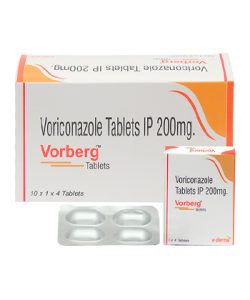
| Voriconazole | Broader systemic coverage | Selected for certain resistant infections |
| Posaconazole | Systemic antifungal | Used for specific higher-risk situations |
| Ketoconazole | Less commonly used systemic option | Limited by hepatic toxicity |
| Amphotericin B | Severe infections | Reserved for serious disease |
Fluconazole is often preferred for convenience, but another agent may fit better for a different fungal species or more severe disease.
When treatment choice is not obvious, infection type and patient risk factors should guide the decision.
Regulation Snapshot
Is fluconazole OTC in the United States?
No.
It is prescription only in nearly all markets, including the US, because supervision reduces misuse, interaction risk, and dosing errors.
| Brand | Form | Common Strengths |
|---|---|---|
| Diflucan | Capsule/tablet, IV vial | 50 mg, 100 mg, 150 mg, 200 mg; 200 mg/100 mL IV |
| Fluconazole Teva | Tablet, solution | 50 mg, 150 mg, 2 mg/mL |
| Fluconazole Zentiva | Tablet, other forms by market | Varies by country |
| Generic fluconazole | Capsule/tablet, suspension, IV | 50 mg, 100 mg, 150 mg, 200 mg |
In the US market, branded and generic products may come as capsules, tablets, oral suspension, or IV solutions, depending on the prescription and setting.
That packaging variety is useful because the same medicine can support outpatient yeast infection treatment, mouth or esophageal candidiasis care, and hospital-level IV therapy.
Frequently Asked Questions
Is fluconazole the same as Diflucan?
Yes, Diflucan is a common brand name for fluconazole.
Can I take it with food?
Yes, it can be taken with or without food.
How fast does it work?
Timing depends on the infection, so some symptoms improve quickly while others take longer to resolve.
What if I miss a dose?
Take it when remembered unless it is close to the next dose, and do not double up.
When should I call a doctor?
Seek help for rash, breathing trouble, fainting, severe stomach pain, jaundice, or palpitations.
Those are the questions that come up most often when someone picks up a first prescription or compares fluconazole tablets price options online.
Guidelines For Proper Use
What makes fluconazole work best in day-to-day use?
Take it exactly as prescribed and keep going for the full duration, even if symptoms improve early.
Storage matters too, because tablets and capsules should stay below 25°C/77°F and be protected from moisture.
If you are using a reconstituted oral suspension, follow the labeled storage window instead of guessing how long it will last.
Do not share the medication with anyone else.
Do not take extra doses to catch up.
Report liver symptoms, rash, dizziness, or heart-rhythm concerns promptly.
- Confirm the dose and duration before the first dose.
- Review all medications for interactions.
- Follow renal or liver monitoring instructions if your clinician orders them.
- Keep a note that a single 150 mg regimen is often used for vaginal candidiasis so you do not repeat it unnecessarily.
- Store tablets, capsules, or suspension exactly as directed on the label.
Those basic steps go a long way toward safe, effective antifungal treatment.
Delivery Across United States
| City | Region | Delivery time |
|---|---|---|
| New York | Northeast | 5-7 days |
| Los Angeles | West | 5-7 days |
| Chicago | Midwest | 5-7 days |
| Houston | South | 5-7 days |
| Phoenix | West | 5-7 days |
| Philadelphia | Northeast | 5-7 days |
| San Antonio | South | 5-9 days |
| San Diego | West | 5-7 days |
| Dallas | South | 5-7 days |
| San Jose | West | 5-7 days |
| Austin | South | 5-7 days |
| Jacksonville | South | 5-9 days |
| Columbus | Midwest | 5-7 days |
| Charlotte | South | 5-9 days |