Lithobid
In brief
- You can buy Lithobid in pharmacies and through e-pharmacy platforms, and it is a prescription-only medicine in the United States and most other regions. In some online pharmacies it may be offered without a prescription, but medically it should be used only under clinician supervision because lithium requires blood-level monitoring.
- Lithobid is used to treat acute manic episodes and to help prevent future manic episodes in bipolar disorder. It contains lithium carbonate, which helps stabilize mood by affecting sodium transport and modulating neurotransmitter signaling in the brain.
- The usual adult starting dose for acute mania is 600 mg per day, with dose increases based on blood levels; maintenance therapy is commonly 900–1200 mg per day. Doses are lower in older adults and adjusted carefully in people with kidney problems.
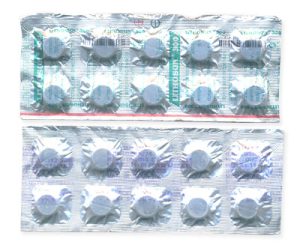
- The form of administration is an extended-release tablet, typically 300 mg, swallowed whole. Lithium carbonate is also available in other forms in some markets, including immediate-release tablets/capsules and oral solution.
- Lithobid does not work instantly; improvement in manic symptoms may begin within several days, but full therapeutic effect often takes 1 to 3 weeks, depending on dose and serum lithium levels.
- The duration of action is long, allowing twice-daily or divided maintenance use in many patients, and it is often used for years or lifelong to prevent relapse when effective and tolerated.
- Alcohol should be avoided or used with great caution, because it can worsen dizziness, dehydration, and impaired judgment, and dehydration can raise lithium levels and increase the risk of toxicity.
- The most common side effects are tremor, increased thirst, frequent urination, nausea, mild diarrhea, and weight gain. Regular monitoring is important because lithium has a narrow therapeutic index.
- Would you like to try Lithobid without a prescription?
Basic Lithobid Information
- INN (International Nonproprietary Name): Lithium carbonate
- Brand names available in United States: Lithobid
- ATC Code: N05AN01
- Forms & dosages: Extended-release tablets, 300 mg; immediate-release tablets/capsules, 150 mg, 300 mg, 450 mg; oral solution, 8 mEq/5 mL
- Manufacturers in United States: AbbVie (legacy Forest Labs), global distributors, major generics such as Amneal, Sun Pharma, Teva, and Eli Lilly where available
- Registration status in United States: US FDA, prescription (Rx), NDA 018027
- OTC / Rx classification: Rx (Prescription Only)
How Lithobid Fits Into Everyday Treatment
Morning Vs Evening Dosing
Wondering whether Lithobid is better in the morning or at night?
For most patients, lithium carbonate ER works best when it is taken on a steady schedule that matches daily life.
Some people prefer a morning routine because it fits work, school, and other daytime reminders.
Others choose evening dosing so nausea or mild drowsiness is easier to manage during sleep.
The key point is not the clock time itself, but taking Lithobid exactly as prescribed and keeping the timing consistent from day to day.
That steadiness helps support more stable blood levels, which matters with a lithium bipolar medication that has a narrow therapeutic index.
A missed alarm, a weekend sleep-in, or a “double up later” plan can create avoidable problems.
Taking With Or Without Meals
Lithobid 300 mg extended-release tablets should be swallowed whole.
Do not crush, chew, or split the tablet unless a prescriber or pharmacist has specifically said it is appropriate for a different product.
Taking lithium carbonate extended release with food may help reduce nausea, which is often most noticeable early in treatment.
For everyday use, a few simple habits make adherence easier.
- Use a pill organizer for the week.
- Set a phone alarm at the same time every day.
- Keep a small refill buffer so you do not run out on a Friday evening.
- Pair the dose with a routine activity, such as breakfast or brushing teeth.
Those practical steps may sound small, but they often make the difference between smooth daily use and missed doses.
Safety Priorities
Who Should Avoid It
Which patients should not take Lithobid at all?
Product data lists several absolute contraindications that require careful clinician screening before a prescription-only mood stabilizer is started.
That includes severe renal impairment, known hypersensitivity to lithium, uncontrolled hypothyroidism, severe cardiovascular disease, pregnancy especially in the first trimester unless clearly necessary, and Brugada syndrome.
Because lithium toxicity can become serious quickly, Lithobid is only appropriate with clinician oversight and ongoing monitoring.
Activities To Limit
Real-life safety matters just as much as the label.
Dehydration, sudden salt restriction, vomiting, diarrhea, and heavy sweating can all raise lithium levels.
Patients should also avoid making dose changes on their own, even if mood symptoms seem to shift.
- Do maintain regular fluid intake.
- Do keep salt intake consistent.
- Do ask before starting a new over-the-counter medicine.
- Avoid driving or hazardous tasks if tremor, dizziness, or cognitive slowing appears.
- Avoid self-adjusting the dose when sleep, appetite, or stress changes.
Older adults and people with kidney issues often need lower starting doses and closer monitoring because accumulation happens more easily.
Dosage And Adjustments
General Regimen
How does dosing usually begin?
For adults with acute mania, a common starting regimen is 600 mg per day, usually as two 300 mg extended-release tablets.
The dose may be increased by 300 mg every few days based on serum lithium level and clinical response.
For maintenance therapy, many adults use 900 mg to 1200 mg per day in divided doses.
The usual target serum concentration for mania is 0.6 to 1.2 mEq/L.
Blood should be drawn 12 hours after the last dose so the level can be interpreted correctly.
Special Cases
Some patients need a slower, more careful plan from the start.
| Group | Typical Starting Point | Adjustment Notes |
|---|---|---|
| Adults | 600 mg/day for acute mania | Titrate by 300 mg every few days based on serum lithium level |
| Children 7 Years And Older | 15 to 20 mg/kg/day in divided doses | Titrate cautiously based on levels and response |
| Elderly | 150 to 300 mg/day | Start lower because toxicity risk and renal clearance concerns are higher |
| Renal Impairment | Reduced initial dose | Close monitoring of serum lithium and renal function is essential |
An oral solution also exists for precise dose adjustment, but Lithobid itself is the 300 mg extended-release tablet.
What Patients Often Notice
Positive Reports
What do people commonly say after staying on lithium carbonate ER for a while?
Many patients report fewer manic relapses and a more even mood over the long term.
When blood levels are checked regularly, maintenance therapy can feel more predictable and easier to manage.
- Better mood steadiness.
- Fewer manic episodes over time.
- More confidence in a long-term plan.
Common Challenges
Not every part of treatment is easy.
Commonly reported concerns include thirst, frequent urination, tremor, nausea, and the inconvenience of blood tests.
Those effects are not universal, and some improve as treatment continues, but they are worth discussing early.
People who know what to expect often stick with bipolar disorder mood stabilization more successfully.
Buying Guide For U.S. Patients
Pharmacy Sources
In the United States, Lithobid is prescription-only and sold as 300 mg extended-release tablets.
It is typically packaged in bottles that hold about 100 to 500 tablets.
Generic lithium carbonate is also available worldwide in multiple forms, including tablets and oral solution.
Buyers should use authorized pharmacies only so they know the product is legitimate and properly labeled.
For patients ordering online, our online pharmacy offers Lithobid without a prescription, with discreet delivery to United States in 5 to 14 days.
Price Comparison
Price depends on whether you choose brand Lithobid or generic lithium carbonate, your insurance plan, discount programs, and how many tablets you refill at once.
Packaging can also differ by market.
Child-resistant amber bottles are common in North America and Europe, while some regions use unit-dose blisters.
| Option | Typical Packaging | Buying Consideration |
|---|---|---|
| Brand Lithobid | Amber child-resistant bottle | May cost more, depending on coverage |
| Generic lithium carbonate | Bottle, blister, or liquid form | Often lower cost and more formulation choices |
| Pharmacy packs | Bulk refill containers | Useful for long-term maintenance therapy |
What Is Inside And How It Works
Ingredients Overview
The active ingredient is lithium carbonate.
The INN is lithium carbonate, and the ATC code is N05AN01.
Lithobid is the brand name used in the U.S. and other markets for 300 mg extended-release tablets.
Mechanism Basics
Lithium is a mood stabilizer used to reduce the frequency and severity of manic episodes in bipolar disorder.
It is used for practical symptom control, not as a quick fix.
In everyday terms, it helps steady mood swings and supports longer-term management when levels are monitored carefully.
| Label | Details |
|---|---|
| INN | Lithium carbonate |
| ATC Code | N05AN01 |
| Brand Name | Lithobid |
Main Indications
Approved Uses
What is Lithobid approved to treat?
The product data lists two approved indications.
- Acute treatment of manic episodes in bipolar I disorder for adults and children 7 years and older.
- Maintenance therapy in bipolar disorder to reduce the frequency and severity of manic episodes.
Those are the core uses for lithium carbonate tablets in U.S. practice.
Off-Label Uses
Some clinicians may discuss off-label use in specific situations, but that should only happen with a prescriber who knows the full history.
Off-label discussion is not a substitute for approved treatment decisions or careful monitoring.
For most patients, the safest approach is to stay focused on the approved indications first.
Interaction Warnings
Food Interactions
Why do salt and hydration matter so much?
Lithium levels can rise when the body loses water or sodium.
That means dehydration, sudden low-sodium diets, vomiting, diarrhea, or heavy sweating can increase lithium toxicity risk.
Keeping fluid and salt intake steady is one of the simplest ways to reduce swings in lithium serum concentration.
Drug Conflicts
Several common medicine classes can interfere with Lithobid.
Patients should check with a clinician before starting anything new, including over-the-counter products.
| Interaction Type | Risk | What To Do |
|---|---|---|
| Diuretics | May increase lithium levels | Ask before use and monitor closely |
| ACE inhibitors | May increase lithium levels | Review with prescriber before starting |
| NSAIDs | May increase lithium levels | Use only with clinician guidance |
Latest Evidence And Insights
Monitoring Remains Essential
The biggest practical lesson with lithium is simple.
It has a narrow therapeutic index, so regular blood monitoring remains central to safe use.
That includes lithium serum concentration, renal function checks, and thyroid testing.
Real-World Management
Many patients notice improvement in manic symptoms within 1 to 3 weeks.
Maintenance therapy may continue for years or even lifelong at the lowest effective dose.
That long view is often what makes bipolar disorder maintenance treatment sustainable.
Alternative Choices
Common Competitors
When lithium carbonate tablets are not the right fit, prescribers may consider other bipolar treatment options.
| Alternative | Common Role | Practical Reason It May Be Chosen |
|---|---|---|
| Valproic acid | Mood stabilization | May fit a different symptom pattern |
| Carbamazepine | Mood stabilization | Sometimes used when another option is not ideal |
| Lamotrigine | Maintenance support | Often considered for different long-term needs |
| Quetiapine | Acute mania or adjunct use | May be helpful depending on symptoms and tolerability |
| Olanzapine | Acute mania or adjunct use | Can be useful when rapid symptom control is needed |
When Alternatives Matter
Switching or adding a medicine is a clinician decision.
That becomes especially important if renal issues, pregnancy concerns, or intolerable tremor and thirst occur.
In those cases, the safer move is to review options rather than force lithium carbonate extended release to fit every situation.
Regulation Snapshot
U.S. Status
In the United States, Lithobid is prescription-only and listed under FDA NDA 018027.
It is sold as 300 mg extended-release tablets.
Global Status
Lithium carbonate is also registered in the EU, Canada, and other regions.
Market-specific brands include Carbolith, Lithmax, and Lithane.
Supply, labeling, and package size vary by country.
| Region | Status | Example Brands |
|---|---|---|
| United States | Prescription only | Lithobid |
| Canada | Licensed Rx | Carbolith, Lithane |
| European Union | Registered as lithium carbonate | Multiple MA holders |
| United Kingdom and Australia | Market-specific registration | Lithmax |
Frequently Asked Questions
Common Questions
How long does Lithobid take to work? Symptom control for manic episodes often takes 1 to 3 weeks.
Can I miss a dose? Take it as soon as remembered unless it is close to the next dose.
Should I double up if I miss one? No, do not double up to make up for a missed dose.
Why do I need blood tests? Blood tests check the serum lithium level, because dosing has to stay within a safe range.
Can I split or crush the tablet? No, Lithobid extended-release tablets should be swallowed whole.
When To Seek Help
Some symptoms should never be ignored.
Vomiting, diarrhea, tremor, confusion, or seizures may signal lithium toxicity and need immediate medical attention.
When those symptoms show up, urgent evaluation is the right next step.
Guidelines For Proper Use
Storage And Transport
How should Lithobid be stored at home or while traveling?
- Store at room temperature, 20 to 25°C.
- Protect from moisture and humidity.
- Keep tablets in the original container.
- Do not store them in a bathroom.
Everyday Habits That Help
Good lithium therapy is built on simple habits.
Take doses consistently.
Keep hydration steady from day to day.
Bring a current medication list to appointments.
Never change the dose on your own.
If too much lithium is taken, toxicity is a medical emergency that needs immediate evaluation, hydration, and sometimes dialysis.
For people managing bipolar disorder maintenance treatment over the long term, those habits often matter as much as the medicine itself.
Delivery Across United States
| City | Region | Delivery Time |
|---|---|---|
| New York | Northeast | 5-7 days |
| Los Angeles | West | 5-7 days |
| Chicago | Midwest | 5-7 days |
| Houston | South | 5-7 days |
| Phoenix | West | 5-7 days |
| Philadelphia | Northeast | 5-7 days |
| San Antonio | South | 5-7 days |
| San Diego | West | 5-7 days |
| Dallas | South | 5-7 days |
| San Jose | West | 5-7 days |
| Austin | South | 5-7 days |
| Jacksonville | South | 5-9 days |
| Fort Worth | South | 5-9 days |
| Columbus | Midwest | 5-9 days |
| Charlotte | South | 5-9 days |