
Mental Disorders
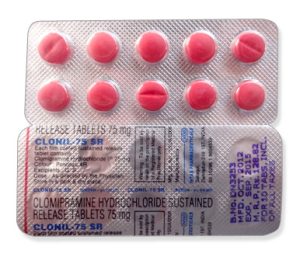
Anafranil
from
Buspar
from
Buspirone
from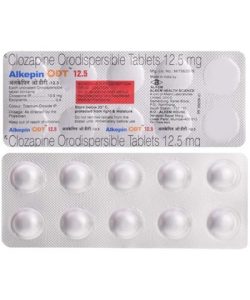
Clozaril
from
Compazine
from
Lithium
from
Lithobid
from
Stalevo
from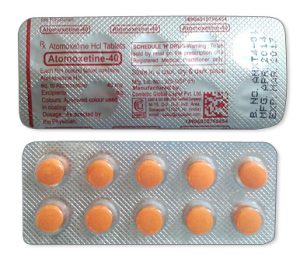
Strattera
from
Thorazine
from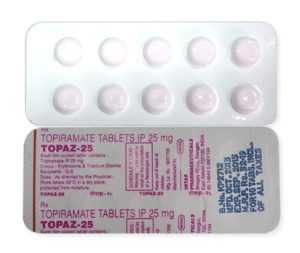
Topiramate
fromUnderstanding Mental Disorders and Treatment Options
Mental disorders affect millions of Americans each year, impacting daily functioning, relationships, and overall quality of life. These conditions range from mild to severe and can be triggered by genetic factors, life experiences, brain chemistry, or environmental stressors. Treatment typically involves a combination of therapy, lifestyle changes, and medication. Understanding mental health is the first step toward recovery and managing symptoms effectively. Mental health conditions are just as important to treat as physical illnesses, and seeking professional help is a sign of strength, not weakness.
Common Types of Mental Disorders
The most prevalent mental disorders in the United States include anxiety disorders, depression, bipolar disorder, schizophrenia, and personality disorders. Each condition presents differently and requires individualized treatment plans. Depression affects approximately 21 million adults annually, while anxiety disorders impact about 40 million people. These conditions can be debilitating if left untreated, but with proper medication and therapy, most individuals experience significant improvement. Understanding your specific diagnosis is crucial for selecting the right treatment approach and medication.
Depression: Symptoms, Medications, and Management
Depression is one of the most common mental health conditions, characterized by persistent sadness, loss of interest in activities, fatigue, and changes in sleep or appetite. It affects how people feel, think, and function in daily life. Treatment often involves antidepressant medications combined with therapy. The condition can range from mild to severe, and early intervention typically leads to better outcomes.
FDA-Approved Antidepressants
Several antidepressants are available on the U.S. market to treat depression. Selective serotonin reuptake inhibitors (SSRIs) are the most commonly prescribed, including sertraline (Zoloft), fluoxetine (Prozac), paroxetine (Paxil), and citalopram (Celexa). Serotonin-norepinephrine reuptake inhibitors (SNRIs) like venlafaxine (Effexor) and duloxetine (Cymbalta) are also widely used. Other options include bupropion (Wellbutrin), which works differently and may be combined with other medications. Tricyclic antidepressants like amitriptyline are older medications still prescribed for certain patients. Monoamine oxidase inhibitors (MAOIs) are prescribed less frequently due to dietary restrictions but remain effective for treatment-resistant depression.
Living with Depression
Managing depression requires a comprehensive approach beyond medication. Regular exercise, adequate sleep, social support, and psychotherapy significantly improve outcomes. Cognitive behavioral therapy (CBT) and interpersonal therapy are evidence-based approaches that work well alongside medication. Many people benefit from combining medication with counseling to address underlying issues and develop coping strategies.
Anxiety Disorders: Types and Treatment Solutions
Anxiety disorders encompass several conditions, including generalized anxiety disorder (GAD), panic disorder, social anxiety disorder, and specific phobias. These conditions involve excessive worry, fear, or panic that interferes with daily activities. Physical symptoms may include rapid heartbeat, sweating, trembling, and difficulty concentrating. Treatment typically combines medication with behavioral therapy for optimal results.
Anti-Anxiety and Anti-Panic Medications
Selective serotonin reuptake inhibitors like sertraline (Zoloft) and paroxetine (Paxil) are first-line treatments for anxiety disorders. SNRIs such as venlafaxine (Effexor XR) and duloxetine (Cymbalta) are also effective. Benzodiazepines like alprazolam (Xanax), lorazepam (Ativan), and clonazepam (Klonopin) provide short-term relief but are typically prescribed cautiously due to dependency risks. Buspirone (Buspar) offers an alternative for generalized anxiety without sedation or addiction potential. Hydroxyzine (Vistaril) is another non-benzodiazepine option. Propranolol, a beta-blocker, helps manage physical anxiety symptoms and is particularly useful for performance anxiety and panic attacks.
Coping Strategies for Anxiety
Beyond medication, several techniques can help manage anxiety symptoms effectively:
- Breathing exercises and deep relaxation techniques
- Mindfulness meditation and mindful awareness practices
- Progressive muscle relaxation
- Gradual exposure therapy under professional guidance
- Regular physical activity and exercise
- Limiting caffeine and maintaining stable sleep patterns
- Support groups and cognitive behavioral therapy
These lifestyle modifications combined with medication provide long-term relief and help individuals regain control of their symptoms.
Bipolar Disorder: Stabilization and Management
Bipolar disorder involves extreme mood swings between manic or hypomanic episodes and depressive episodes. During manic phases, individuals may experience excessive energy, decreased need for sleep, racing thoughts, and risky behavior. Depressive episodes follow similar patterns to major depression. This condition requires careful medication management and ongoing monitoring to maintain stability and prevent relapse.
Mood-Stabilizing Medications
Lithium remains the gold standard mood stabilizer for bipolar disorder, though it requires regular blood level monitoring and kidney function tests. Anticonvulsants like valproate (Depakote) and lamotrigine (Lamictal) are effective alternatives for different types of bipolar episodes. Atypical antipsychotics including quetiapine (Seroquel), olanzapine (Zyprexa), aripiprazole (Abilify), and lurasidone (Latuda) treat acute mania and maintain stability. Carbamazepine (Tegretol) is another anticonvulsant option. Some individuals require combination therapy with multiple medications for optimal symptom control.
Lifestyle Management
Regular sleep schedules, stress management, avoiding alcohol and recreational drugs, and maintaining consistent daily routines are crucial for bipolar disorder management. Regular therapy, especially psychoeducation and family-focused therapy, helps individuals understand their condition and manage triggers. Consistent medication adherence is essential for preventing episodes and maintaining stability.
Schizophrenia and Other Psychotic Disorders
Schizophrenia is a serious mental illness characterized by delusions, hallucinations, disorganized speech and behavior, and cognitive difficulties. It typically emerges in late adolescence or early adulthood and requires long-term treatment. Antipsychotic medications are the primary treatment, often combined with psychotherapy and psychosocial support. Early intervention and consistent treatment lead to better long-term outcomes and improved quality of life.
Antipsychotic Medications
First-generation antipsychotics like haloperidol (Haldol) and chlorpromazine (Thorazine) have been used for decades but often cause significant side effects. Second-generation or atypical antipsychotics are now preferred, including risperidone (Risperdal), olanzapine (Zyprexa), quetiapine (Seroquel), aripiprazole (Abilify), and paliperidone (Invega). Clozapine (Clozaril) is highly effective for treatment-resistant schizophrenia but requires regular blood monitoring. Lurasidone (Latuda) and iloperidone (Fanapt) are newer options with favorable side effect profiles. Long-acting injectable formulations are available for improved medication adherence.
Comprehensive Treatment Approach
Medication alone is insufficient for managing schizophrenia. Cognitive behavioral therapy for psychosis, family support, vocational rehabilitation, and community mental health services significantly improve outcomes. Consistency in treatment and regular follow-ups with healthcare providers help prevent relapse and hospitalization.
Seeking Help and Starting Treatment
If you or a loved one experiences symptoms of mental illness, seeking professional help is the crucial first step toward recovery. A mental health professional can properly diagnose your condition and recommend appropriate treatment. Many effective treatments exist, and early intervention improves prognosis significantly. Starting medication requires working with healthcare providers to find the right medication and dose for your individual needs.
Getting Started with Treatment
Begin by scheduling an appointment with your primary care physician, psychiatrist, or mental health professional. Be honest about your symptoms, medical history, and any previous treatments. Treatment plans are individualized and may take time to optimize. Patience and consistent communication with your healthcare team are essential. Insurance coverage varies, and financial assistance programs are available for those who qualify. Online therapy platforms and crisis hotlines provide additional resources and support when needed. Remember that recovery is possible, and with proper treatment and support, individuals with mental disorders can lead fulfilling and meaningful lives.