Methotrexate
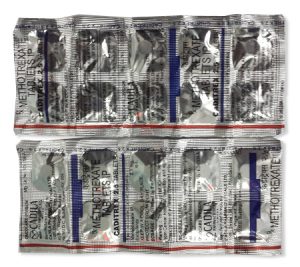
In brief
- In most countries methotrexate is a prescription-only medicine dispensed by pharmacies; it is available for legal supply when you present a valid prescription (some online vendors may claim to sell without a prescription, but buying or using methotrexate without medical supervision is unsafe and not recommended).
- Methotrexate is used to treat certain cancers (for example some leukemias and lymphomas), rheumatoid arthritis, psoriasis, and other autoimmune conditions. It is an antimetabolite and folic acid analogue that inhibits dihydrofolate reductase, interfering with DNA/RNA synthesis and producing cytotoxic, immunosuppressive, and anti-inflammatory effects.
- Usual dosage: for rheumatologic and dermatologic indications low-dose weekly regimens are typical (commonly 7.5–25 mg once weekly); oral tablet strengths include 2.5, 5, 7.5, 10, and 15 mg. Oncology dosing is much higher and individualized (often calculated mg/m2) and requires specialist supervision.
- Form of administration: oral tablets and oral solution (e.g., 2–2.5 mg/mL), and parenteral formulations for IV/IM/SC use including vials, prefilled syringes, and autoinjectors.
- Onset time: symptomatic improvement for rheumatologic or dermatologic use typically begins in about 3–6 weeks, with maximal benefit often taking 6–12 weeks; cellular/cytotoxic effects occur earlier.
- Duration of action: methotrexate is usually given on a weekly schedule; a single dose exerts effects over several days to about a week, and intracellular polyglutamation can prolong activity while therapy continues.
- Alcohol warning: avoid or minimize alcohol consumption while taking methotrexate because concurrent alcohol increases the risk of liver toxicity.
- The most common side effec is nausea (other common adverse effects include mouth sores/stomatitis, fatigue, elevated liver enzymes, and low blood cell counts).
- Would you like to try methotrexate without a prescription?
Basic Methotrexate Information
- INN (International Nonproprietary Name): Methotrexate
- Brand Names Available In United States: Rheumatrex; Trexall; Otrexup; Rasuvo; Xatmep
- ATC Code: L01BA01
- Forms & Dosages: Oral tablets 2.5 mg, 5 mg, 7.5 mg, 10 mg, 15 mg; Oral solution 2 mg/mL and 2.5 mg/mL; Injection (vial/prefilled) 10 mg/mL and 25 mg/mL
- Manufacturers In United States: Wyeth/Pfizer; Teva/Nostrum; Antares Pharma; Medac Pharma; Azurity
- Registration Status In United States: not specified
- OTC / Rx Classification: not specified
Everyday Use & Best Practices
Morning Vs Evening Dosing
Many patients ask whether to take methotrexate in the morning or evening.
For autoimmune disease, methotrexate is usually taken as a single weekly dose rather than daily.
Never take methotrexate daily for chronic rheumatologic use unless a specialist explicitly prescribes a different schedule.
Pick a consistent day each week and stick to it to avoid missed or doubled doses.
Mark the dosing day on a calendar and set an alarm or phone reminder.
If oncology dosing is prescribed, follow the oncologist’s specific timing and frequency instructions.
For many patients, Monday morning works well because it ties to the start of the week and routines.
Taking With Or Without Meals
Oral methotrexate tablets and oral solution can be taken with a small snack if nausea is a problem.
Avoid very fatty or heavy meals immediately before an injection to reduce discomfort.
Some patients find subcutaneous injections cause fewer gastrointestinal complaints than oral methotrexate tablets.
If nausea occurs with oral dosing, try taking the dose after a light meal and discuss anti-nausea options with the prescriber.
- Checklist For A Weekly Dosing Routine
- Choose a consistent weekday and link dosing to an existing habit such as after breakfast or before a shower.
- Mark the day on a calendar and set a weekly alarm.
- Keep methotrexate tablets, oral solution, or autoinjector in a dedicated, labeled spot.
- Record the dose, any side effects, and injection site in a weekly log or app.
- Do not double doses; contact a clinician if a dose is missed or uncertainty arises.
- Weekly Calendar Template
- Week: __________
- Planned Dose Day: __________ (e.g., Monday)
- Dose Taken: Yes / No
- Side Effects Noted: __________
Safety Priorities
Who Should Avoid It
Pregnant people and those planning pregnancy should avoid methotrexate because of serious fetal risks.
Breastfeeding mothers should not use methotrexate without specialist advice due to transfer in milk.
People with significant liver disease or severely reduced kidney function need specialist oversight before using methotrexate.
Active infections and certain blood disorders are contraindications until evaluated and managed by a clinician.
Discuss effective contraception with your clinician and plan required washout periods before conception.
Avoid methotrexate if taking medications that interact and increase toxicity risk unless supervised by a specialist.
Activities To Limit
Alcohol should be avoided or kept to a minimum while taking methotrexate because of added liver toxicity risk.
Avoid live vaccines during methotrexate therapy and until immune recovery is confirmed by a clinician.
Delay elective dental procedures until your provider clears you, especially if blood counts are low.
Be cautious with close contact if signs of infection appear such as fever or sore throat and contact care promptly.
Limit heavy sun exposure if photosensitivity or psoriasis flares occur while on therapy.
- Who Should Avoid Methotrexate
- Pregnant or planning pregnancy
- Breastfeeding without specialist approval
- Severe liver disease or significant renal impairment
- Active infection or serious blood disorders
- Activities To Limit
- Alcohol consumption
- Live vaccines
- Elective dental surgery without clearance
- Close contact when symptomatic with infection
Dosage & Adjustments
General Regimen
For rheumatoid arthritis and psoriasis, low-dose methotrexate is commonly prescribed as a single weekly dose.
Available oral tablets include 2.5 mg, 5 mg, 7.5 mg, 10 mg, and 15 mg strengths that allow flexible weekly totals.
Oral solutions such as Xatmep and Jylamvo are available at roughly 2–2.5 mg/mL to help pediatric and dosing-accuracy needs.
Injection formulations come in 10 mg/mL and 25 mg/mL vials, prefilled syringes, and autoinjectors such as Otrexup and Rasuvo.
Oncology regimens use much higher and more frequent dosing and typically include leucovorin (folinic acid) rescue and intensive monitoring.
Special Cases
Dose reduction or extended dosing intervals are common in patients with renal impairment and in many elderly patients.
Stop or delay methotrexate for significant drops in blood counts or elevated liver enzymes until a clinician evaluates you.
Switching from tablet to subcutaneous injection may change bioavailability, so discuss dose conversion with your prescriber.
High-dose oncology protocols use folinic acid rescue and hydration protocols that differ from low-dose autoimmune practice.
For low-dose autoimmune use, folic acid supplementation is commonly recommended to reduce mouth sores, nausea, and liver enzyme elevations.
| Formulation | Common Dosage Range | Notes |
|---|---|---|
| Oral Tablets | 2.5–15 mg per tablet; weekly total varies | Widely available (Trexall, Rheumatrex) |
| Oral Solution | 2–2.5 mg/mL (Xatmep, Jylamvo) | Useful for pediatric dosing and accuracy |
| Injection/Autoinjector | 10 mg/mL, 25 mg/mL; autoinjector steps (Rasuvo) | Subcutaneous use may improve tolerability |
- Monitoring Triggers For Adjustment
- Significant drop in CBC values
- ALT/AST elevation above clinician thresholds
- New or worsening renal impairment
- Persistent or severe side effects
User Testimonials
Positive Reports
Many patients report reduced joint pain and swelling within weeks to months on weekly low-dose methotrexate.
Improved day-to-day function and reduced reliance on oral steroids are common benefits described by users.
Patients who switched to autoinjectors such as Otrexup or Rasuvo often note easier self-administration and fewer GI problems than with methotrexate tablets.
Parents say oral solutions like Xatmep and Jylamvo simplify pediatric dosing and avoid tablet-splitting stress.
Common Challenges
Nausea, fatigue, mouth sores, and mild hair thinning are commonly reported early side effects that often improve with time or folic acid.
Injection-site redness or discomfort can occur with subcutaneous forms but is usually short-lived.
Some patients express anxiety about frequent blood tests and liver monitoring.
Frustration can occur when dose changes are needed, but most report improved outcomes after adjustments.
- Real User Tips
- Take folic acid exactly as prescribed to reduce GI and mucosal side effects.
- Pre-medicate for nausea with an antiemetic if advised by your clinician.
- Rotate injection sites and use a mirror or helper for the first few self-injections.
- Keep a symptom log to share during clinic visits to guide dose changes.
- Checklist For Managing Common Side Effects
- Nausea: try light snacks, split dosing only if instructed, or use anti-nausea meds.
- Mouth Sores: maintain oral hygiene and report persistent mucositis.
- Fatigue: track timing and report prolonged or worsening fatigue to your clinician.
Buying Guide
Pharmacy Sources
Methotrexate is available through community pharmacies, mail-order pharmacies, and specialty pharmacies for some formulations.
Tablets such as Rheumatrex and Trexall are commonly stocked at community pharmacies across the United States.
Injectable autoinjectors like Otrexup and Rasuvo and oral solutions such as Xatmep may require specialty pharmacy ordering in some cases.
Check your insurer’s drug formulary and prior authorization requirements before ordering to avoid delays or denials.
In our online pharmacy, methotrexate is available without a prescription, with discreet delivery to United States in 5-14 days.
Price Comparison
Generic methotrexate tablets are typically low cost, while branded autoinjectors and oral solutions usually cost more.
Compare cash prices, manufacturer savings cards, and patient assistance programs, especially for branded products.
Consider shipping, dispensing fees, and whether a compounding pharmacy is needed for specialized doses.
Keeping the same formulation helps avoid substitution confusion and dosing errors from different concentrations.
| Brand / Formulation | Typical Cost Tier | Notes |
|---|---|---|
| Generic Methotrexate Tablets (Trexall-like) | Low | Widely available at community pharmacies |
| Oral Solution (Xatmep, Jylamvo) | Medium to High | Pediatric dosing accuracy; specialty distribution possible |
| Autoinjectors (Otrexup, Rasuvo) | High | Comfort and tolerability benefits; may need prior auth |
What’s Inside & How It Works
Ingredients Overview
The active ingredient across formulations is methotrexate, sometimes listed by INN as Methotrexate.
Excipients differ by manufacturer and formulation and are listed on each product label.
Tablets, oral solutions, injectable vials, prefilled syringes, and autoinjectors all contain methotrexate as the active drug.
The ATC classification L01BA01 reflects methotrexate’s role as an antimetabolite and folic acid analogue.
Mechanism Basics
Methotrexate interferes with folate-dependent enzymes involved in DNA and cell replication, including dihydrofolate reductase pathways.
At low weekly doses used for autoimmune diseases, methotrexate produces anti-inflammatory and immunomodulatory effects rather than direct cytotoxicity.
At high oncology doses, methotrexate acts as a cytotoxic chemotherapy and often requires leucovorin rescue to reduce toxicity.
The dual role explains why dosing, monitoring, and the need for supplementation differ between rheumatology and oncology uses.
| Formulation | Key Points |
|---|---|
| Tablets | Common, flexible dosing; may cause more GI side effects for some users |
| Oral Solution | Helps precise dosing for children and those who cannot swallow tablets |
| Injection / Autoinjector | Higher bioavailability subcutaneously and better tolerability for some patients |
Main Indications
Approved Uses
Methotrexate is approved for certain cancers and as an immunomodulator for autoimmune diseases and psoriasis.
Common autoimmune indications include rheumatoid arthritis, severe psoriasis, and psoriatic arthritis.
In obstetrics and gynecology, methotrexate is used under specialist care for medical management of ectopic pregnancy in specific protocols.
Indication dictates dose, monitoring frequency, and whether folinic acid rescue or folic acid supplementation is needed.
Off-Label Uses
Some clinicians use methotrexate for Crohn’s disease when other options have failed, and for certain vasculitides and dermatologic inflammatory conditions.
High-dose methotrexate remains an established oncology therapy with different goals and safety protocols than low-dose autoimmune therapy.
Discuss the intended use with your prescriber to ensure monitoring and supplementation match the indication.
- Autoimmune Versus Oncology Uses
- Autoimmune: weekly low-dose methotrexate for RA, psoriasis, psoriatic arthritis.
- Oncology: high-dose regimens with leucovorin rescue and intensive monitoring.
Interaction Warnings
Food Interactions
No major food prevents methotrexate absorption, but alcohol markedly increases the risk of liver toxicity and should be minimized or avoided.
Folic acid supplementation is commonly given with low-dose methotrexate to reduce certain side effects and is compatible with therapy.
Avoid combining methotrexate with other hepatotoxic substances without clinician approval.
Drug Conflicts
Certain antibiotics like trimethoprim/sulfamethoxazole can increase methotrexate toxicity and should be used with caution.
Some NSAIDs and high-dose aspirin may impair renal clearance of methotrexate and raise toxicity risk in selected situations.
Some proton pump inhibitors and other drugs affecting renal function may alter methotrexate elimination.
Live vaccines are contraindicated during methotrexate therapy until immune recovery; discuss timing of inactivated vaccines with your provider.
- Tell Your Clinician If You Take:
- Trimethoprim/sulfamethoxazole or other interacting antibiotics
- Regular NSAIDs or high-dose aspirin
- Proton pump inhibitors and other renal-impacting medicines
- Herbal supplements, over-the-counter drugs, or heavy alcohol use
| High-Risk Drug | Interaction Concern |
|---|---|
| Trimethoprim/Sulfamethoxazole | Can increase bone marrow suppression risk |
| Certain NSAIDs | May affect renal clearance and raise methotrexate levels |
| Proton Pump Inhibitors | Possible delayed methotrexate elimination |
Latest Evidence & Insights
Key Study Takeaways
Clinical practice supports weekly low-dose methotrexate as a cost-effective first-line conventional synthetic DMARD for rheumatoid arthritis.
Randomized and real-world studies show that folic acid reduces gastrointestinal and hepatic side effects when given with low-dose methotrexate.
Real-world analyses indicate subcutaneous administration via autoinjectors like Rasuvo and Otrexup improves adherence and tolerability for patients with oral intolerance.
Baseline and periodic monitoring of CBC, liver enzymes, and renal function remains evidence-based standard practice.
Practical Implications
Consider switching to subcutaneous delivery if oral methotrexate causes intolerable GI side effects.
Review vaccination status before starting methotrexate and plan non-live vaccines appropriately during treatment.
For oncology, leucovorin rescue timing continues to be refined to reduce toxicity in high-dose protocols.
Pediatric oral solutions such as Xatmep and Jylamvo improve dosing accuracy compared with tablet splitting in children.
| Study Theme | Patient Action |
|---|---|
| Folic Acid Reduces Side Effects | Take prescribed folic acid supplement |
| Subcutaneous Improves Tolerability | Ask about autoinjector options if oral intolerance occurs |
| Monitoring Is Critical | Follow prescribed lab schedule for CBC, LFTs, renal |
Alternative Choices
Non-Methotrexate DMARDs
When methotrexate is not tolerated, other conventional DMARDs include sulfasalazine, hydroxychloroquine, and leflunomide.
Each alternative has its own monitoring needs, side-effect profile, and potential drug interactions to discuss with a rheumatologist.
Combination therapy using two or more DMARDs may be considered when single agents are inadequate.
Biologics And Other Options
Biologic therapies, such as TNF inhibitors and IL-6 inhibitors, and small molecules like JAK inhibitors, are options when methotrexate does not control disease or is not tolerated.
Biologics generally require screening for infections and carry higher costs than conventional DMARDs.
For psoriasis, topical treatments, phototherapy, and biologics are alternative pathways to systemic methotrexate.
| Option | Efficacy | Monitoring | Typical Cost | Administration |
|---|---|---|---|---|
| Sulfasalazine | Moderate | Periodic CBC and LFTs | Low to Medium | Oral |
| Hydroxychloroquine | Mild to Moderate | Ophthalmologic screening | Low | Oral |
| Biologics / JAK Inhibitors | High (in many cases) | Infection screening, periodic labs | High | Injection / IV / Oral (JAK) |
Regulation Snapshot
ATC & Classification
Methotrexate is classified under ATC code L01BA01, reflecting its antimetabolite and folic acid analogue properties.
This classification highlights methotrexate’s role both as chemotherapy and as an immunomodulating agent in autoimmune disease and psoriasis.
Global Brand Landscape
Brand availability varies by region and formulation, which influences prescribing and patient access programs.
Tablets commonly available include Rheumatrex and Trexall in the United States.
Injectable and autoinjector options available in the United States include Otrexup and Rasuvo.
Oral solutions available globally include Xatmep and Jylamvo for pediatric and dosing-accuracy needs.
| Brand Name | Region | Form |
|---|---|---|
| Rheumatrex | USA, Canada | Tablets (2.5 mg) |
| Trexall | USA | Tablets (5–15 mg) |
| Otrexup | USA | Autoinjector |
| Rasuvo | USA | Autoinjector (7.5–30 mg, 2.5 mg steps) |
| Xatmep | USA | Oral Solution (2.5 mg/mL) |
| Jylamvo | EU, UK, Global | Oral Solution (2 mg/mL) |
FAQ Section
Common Patient Questions
How fast does methotrexate work?
For rheumatoid arthritis and psoriasis, symptomatic improvement often appears in 4–12 weeks with full benefit taking several months.
Can I drink alcohol while taking methotrexate?
Limit or avoid alcohol because it increases the risk of liver injury when combined with methotrexate.
Can I get pregnant while on methotrexate?
No; do not conceive while taking methotrexate and follow your provider’s guidance on recommended washout time before attempting pregnancy.
What monitoring is needed?
Routine blood tests including CBC, liver enzymes, and renal function are required at baseline and periodically as determined by your clinician.
What if I miss my dose?
For weekly dosing take it as soon as you remember within the same week only if instructed by your clinician; do not double doses and call your provider for guidance.
Is methotrexate safe long-term?
Many patients use methotrexate long-term safely with routine monitoring, though liver toxicity and bone marrow suppression are risks that require ongoing lab checks.
- Quick Answers
- Onset: 4–12 weeks for autoimmune symptom relief.
- Alcohol: limit or avoid.
- Pregnancy: contraindicated; use contraception.
- Monitoring: CBC, LFTs, renal testing as directed.
- Missed Dose: do not double; contact your clinician.
Guidelines For Proper Use
Before Starting
Baseline labs typically include CBC, liver enzymes, and renal function tests prior to initiating methotrexate.
Additional baseline screening may include chest X-ray or TB screening and hepatitis B and C serologies where indicated by clinical history.
Review vaccination status and complete necessary immunizations before starting methotrexate when possible.
Discuss contraception and alcohol use with the prescriber and plan any required washout before pregnancy.
Choose the formulation that best matches dosing accuracy and tolerance needs such as tablets, oral solution, or subcutaneous injection.
Learn injection technique from a trained nurse if using autoinjectors like Otrexup or Rasuvo or prefilled syringes.
Ongoing Monitoring & Storage
Typical initial lab frequency is every 4–12 weeks for CBC, LFTs, and renal tests, then spaced per clinician guidance once stable.
Take folic acid as recommended to reduce common side effects like mouth sores and nausea with low-dose regimens.
Store tablets and oral solutions at room temperature away from light unless the product label specifies otherwise.
Autoinjectors may require refrigeration or specific temperature handling—follow the manufacturer instructions for Rasuvo and Otrexup.
Dispose of sharps safely in an approved sharps container and do not share medication with others.
If signs of infection, severe mucositis, unexplained bleeding, or jaundice occur, stop methotrexate and contact care immediately.
- Before Starting Checklist
- CBC, LFTs, renal function tests
- TB screen and hepatitis serologies if indicated
- Vaccination review and necessary updates
- Contraception discussion and pregnancy planning
- Red Flags — Stop And Call
- High fever, severe sore throat, or infection signs
- Unexplained bruising, bleeding, or petechiae
- Severe mouth sores or difficulty swallowing
- Yellow eyes or skin (jaundice)
| Storage Item | Recommended Temp |
|---|---|
| Tablets | Room temperature, away from light |
| Oral Solution | Follow label; usually room temperature |
| Autoinjectors / Prefilled Syringes | Refer to manufacturer for refrigeration or storage range |
Delivery Across United States
| City | Region | Delivery Time |
|---|---|---|
| New York | New York | 5-7 days |
| Los Angeles | California | 5-7 days |
| Chicago | Illinois | 5-7 days |
| Houston | Texas | 5-7 days |
| Phoenix | Arizona | 5-7 days |
| Philadelphia | Pennsylvania | 5-7 days |
| San Antonio | Texas | 5-7 days |
| San Diego | California | 5-7 days |
| Dallas | Texas | 5-7 days |
| San Jose | California | 5-7 days |
| Austin | Texas | 5-7 days |
| Jacksonville | Florida | 5-7 days |
| Omaha | Nebraska | 5-9 days |
| Boise | Idaho | 5-9 days |