
Cancer
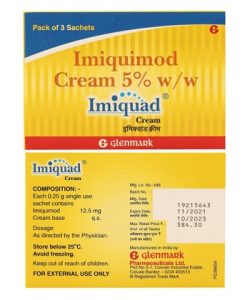
Aldara
from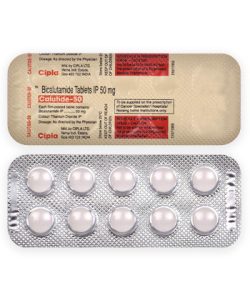
Casodex
from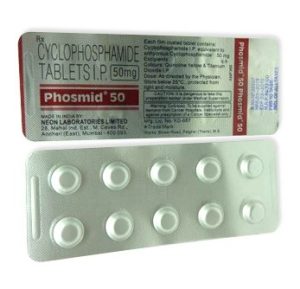
Cytoxan
from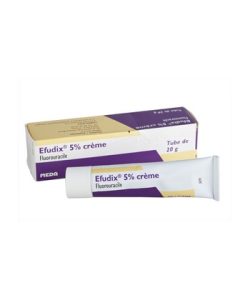
Fluorouracil
from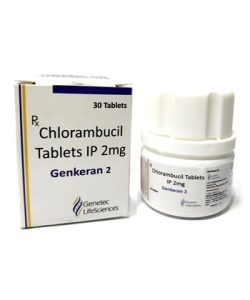
Leukeran
from
Methotrexate
from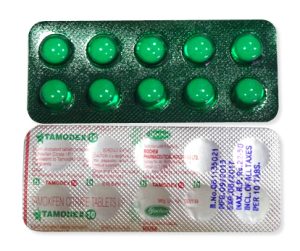
Nolvadex
from
Rheumatrex
from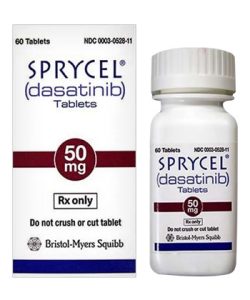
Sprycel
from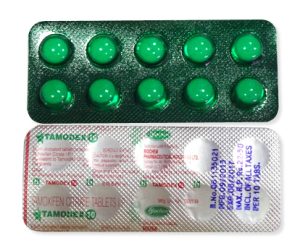
Tamoxifen
from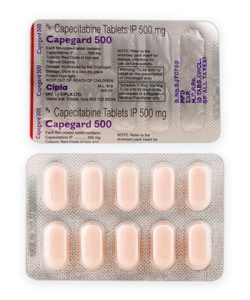
Xeloda
from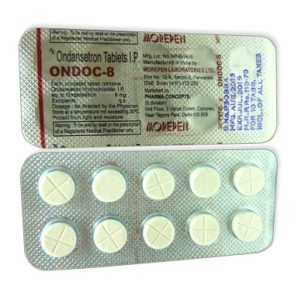
Zofran
fromUnderstanding Cancer and Treatment Options
Cancer represents a group of diseases characterized by abnormal cell growth and the potential to spread throughout the body. Understanding the different types of cancer and available treatment options is essential for patients and their families. Modern cancer treatment typically involves surgery, radiation therapy, chemotherapy, immunotherapy, and targeted therapy. Each treatment approach works differently to destroy cancer cells or slow their growth.
The choice of treatment depends on the cancer type, stage, and individual patient factors. Many patients receive a combination of treatments for optimal results. Advances in medical science have led to improved survival rates and quality of life for cancer patients. Staying informed about available options helps patients make better decisions with their healthcare providers.
Chemotherapy Medications
Chemotherapy remains one of the most common cancer treatments in the United States. These powerful drugs work by targeting rapidly dividing cells, which is a characteristic of cancer. Several chemotherapy medications are widely available and prescribed by oncologists.
Common Chemotherapy Drugs
- Methotrexate is used for various cancers including breast, lung, and blood cancers
- Fluorouracil (5-FU) treats colorectal, breast, and gastric cancers
- Doxorubicin is effective against breast cancer, lymphomas, and leukemias
- Paclitaxel and docetaxel are popular for breast and ovarian cancers
- Cisplatin addresses testicular, ovarian, and lung cancers
These medications often cause side effects including nausea, hair loss, and fatigue. Treatment plans are carefully designed to maximize effectiveness while managing side effects. Regular monitoring and blood tests ensure patient safety during chemotherapy. Modern supportive care medications help patients tolerate treatment better than in previous decades.
Targeted Therapy and Immunotherapy
Targeted therapy represents a significant advancement in cancer treatment by attacking specific cancer cell mutations. These medications block signals that tell cancer cells to grow and divide. Trastuzumab (Herceptin) targets HER2-positive breast cancers and has revolutionized treatment outcomes. Imatinib (Gleevec) treats chronic myeloid leukemia by blocking specific protein signals. Erlotinib and gefitinib are used for non-small cell lung cancers with specific mutations.
Immunotherapy drugs help the body’s immune system recognize and destroy cancer cells. Pembrolizumab and nivolumab are checkpoint inhibitors used for melanoma, lung cancer, and other malignancies. Atezolizumab treats various cancers by enhancing immune response. These newer medications often have different side effect profiles compared to traditional chemotherapy. Many patients experience improved quality of life and fewer severe side effects. Genetic testing helps determine which patients benefit most from specific targeted therapies.
Hormonal Therapies and Supportive Medications
Hormonal therapies are essential for hormone-sensitive cancers, particularly breast and prostate cancers. Tamoxifen blocks estrogen receptors in breast tissue, preventing cancer cell growth. Aromatase inhibitors like letrozole and anastrozole reduce estrogen production in postmenopausal women. Fulvestrant is another effective hormonal agent for advanced breast cancer.
For prostate cancer, medications like bicalutamide and enzalutamide block androgen activity. Leuprolide reduces testosterone production in men with prostate cancer. These hormonal medications can be taken for extended periods, sometimes years or indefinitely.
Managing Treatment Side Effects
Supportive medications manage chemotherapy side effects and improve patient comfort. Antiemetics prevent nausea and vomiting during cancer treatment. Granulocyte-colony stimulating factors boost white blood cell counts. Pain management medications including opioids help patients maintain quality of life during treatment.
Emerging Treatments and Clinical Trials
The landscape of cancer treatment continues to evolve with new medications and approaches becoming available. CAR-T cell therapy represents an innovative immunotherapy approach particularly effective for certain blood cancers. Venetoclax treats chronic lymphocytic leukemia and has shown remarkable efficacy. Midostaurin is approved for acute myeloid leukemia with specific mutations. Palbociclib, ribociclib, and abemaciclib are cyclin-dependent kinase inhibitors for breast cancer.
Clinical trials offer access to cutting-edge treatments before they receive full FDA approval. Participating in trials contributes to advancing cancer medicine for future patients. Patients should discuss trial opportunities with their oncology team. Precision medicine approaches use genetic profiling to select optimal treatments. Combination therapies mixing different drug classes show increasing promise. Nanotechnology and targeted delivery systems are improving drug effectiveness while reducing side effects.
Managing Side Effects and Quality of Life
Cancer treatment can significantly impact physical and emotional well-being, making side effect management crucial. Hair loss, one of the most visible side effects, can be managed with cold caps during chemotherapy sessions. Anti-nausea medications have improved dramatically, allowing patients to maintain nutrition and strength.
Common Side Effects and Management Strategies
- Fatigue management includes gentle exercise, adequate rest, and nutritional support
- Cognitive changes, sometimes called “chemo brain,” gradually improve after treatment completion
- Bone marrow suppression increases infection risk, requiring careful monitoring and prevention strategies
- Peripheral neuropathy causes nerve damage and numbness, managed through supportive care
- Mental health support including counseling helps patients process emotional aspects of cancer diagnosis
Nutritional guidance ensures adequate calorie and nutrient intake during treatment. Many centers offer integrative medicine including acupuncture, meditation, and yoga. Long-term follow-up care monitors for late effects and recurrence. Support groups connect patients with others sharing similar experiences, providing valuable emotional support and practical advice for navigating cancer treatment journeys.