Naltrexone
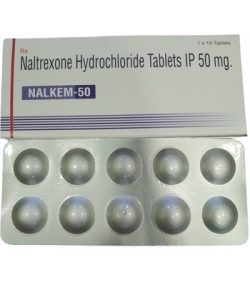
In brief
- In our pharmacy, you can buy naltrexone without a prescription, with delivery in 5–14 days throughout the United States. Discreet and anonymous packaging.
- Naltrexone is used to help treat alcohol dependence and opioid dependence after detoxification. It works as an opioid receptor antagonist, blocking the effects of opioids and helping reduce cravings and the rewarding effects of alcohol and opioids.
- The usual oral dose of naltrexone is 50 mg once daily; some regimens use 100 mg on Monday, Wednesday, and Friday or 150 mg on Fridays. For extended-release injection, the usual dose is 380 mg intramuscularly every 4 weeks.
- The form of administration is an oral tablet or an extended-release intramuscular injection.
- The effect of oral naltrexone begins within about 1–2 hours, while the injectable form starts working after administration and provides continuous coverage over the month.
- The duration of action is about 24 hours for the oral tablet, and about 4 weeks for the extended-release injection.
- Do not consume alcohol while taking naltrexone if you are being treated for alcohol use disorder, because it is meant to support abstinence and reduce drinking; combining alcohol with the condition being treated may reduce treatment success and can worsen side effects.
- The most common side effects are nausea, headache, dizziness, insomnia, abdominal pain, and injection-site reactions with the depot form.
- Would you like to try naltrexone without a prescription?
Basic Naltrexone Information
- INN (International Nonproprietary Name): Naltrexone
- Brand Names Available In United States: Revia, Vivitrol
- ATC Code: N07BB04
- Forms & Dosages: Tablet (oral) 25 mg, 50 mg, 100 mg; extended-release injection 380 mg per vial
- Manufacturers In United States: Mallinckrodt, Accord, and Alkermes
- Registration Status In United States: FDA-approved since 1984 for oral naltrexone and since 2006 for Vivitrol injection
- OTC / Rx Classification: Prescription Only (Rx)
If you are trying to keep treatment simple, the biggest question is often when and how to take naltrexone so it fits real life.
That is where routine, safety, and the right formulation matter more than hype.
Everyday Use And Best Practices
Morning Vs Evening Dosing
Does taking naltrexone in the morning work better than taking it at night?
For most adults, the answer is less about the clock and more about consistency.
Naltrexone is usually taken once daily, so the goal is to pick a time you can repeat without thinking hard about it.
Many people prefer morning dosing because it lines up with breakfast, coffee, or other medications.
That makes Revia tablets or generic naltrexone 50 mg tablet use easier to remember.
If nausea, dizziness, or headache shows up early on, some clinicians may suggest bedtime dosing instead.
Still, the exact hour matters less than taking the dose the same way every day.
If you are using the Vivitrol injection, the schedule is set by the clinic, so the focus shifts to keeping appointments on time.
People sometimes think they need a perfect routine before starting, but a simple one is usually enough.
Daily routine checklist:
- Pick one anchor, such as brushing your teeth or eating breakfast.
- Use a phone alarm if your schedule changes from day to day.
- Keep Naltrexone tablets in a place you see every morning.
- Use a pill organizer if you take more than one daily medication.
- Write down side effects like sleep trouble, headaches, or stomach upset and bring them to your prescriber.
- Do not keep changing the dosing time unless a clinician tells you to.
One patient may do best with a bedside reminder and another with a lunch-hour habit.
The right choice is the one you can keep.
Taking With Or Without Meals
Can you take oral naltrexone with food?
Yes, and for many people that is the easier way to start.
Oral naltrexone can be taken with or without meals, but taking it with food may reduce nausea or stomach discomfort.
That practical detail matters because digestive side effects are one of the most common reasons people stop treatment too early.
If you skip breakfast, it is usually smarter to take the dose with your first meal or snack than on an empty stomach.
The injectable form does not involve meal timing, but monthly clinic follow-up still needs planning.
For shift workers or travelers, a simple “take with first meal” rule can make adherence much easier.
Do:
- Take the oral tablet with food if your stomach is sensitive.
- Use a small meal or snack when starting if nausea is a concern.
- Keep hydration steady, especially during the first week.
- Ask your clinician whether timing with food could help if you feel queasy.
Do not:
- Take it on an empty stomach if that makes side effects worse.
- Skip doses because you missed a meal unless your clinician told you to hold it.
- Assume the injection follows meal timing rules, because it does not.
For many patients, the simplest routine is the best one: take naltrexone with the first meal of the day and keep going.
Safety Priorities
Who Should Avoid It
Is naltrexone safe for everyone?
No, and that is why it is prescription only in the United States.
The most important safety rule is that it should not be started in someone with current physiologic opioid dependence or a positive opioid urine test before treatment.
That is because an opioid antagonist can trigger sudden withdrawal.
It is also contraindicated in acute hepatitis or liver failure and in people with known hypersensitivity to naltrexone or its ingredients.
Extra caution is needed in pregnancy, breastfeeding, severe kidney disease, and ongoing liver disease.
If someone is headed to surgery, the emergency room, or a dental procedure, every clinician should know they take naltrexone.
Contraindications versus precautions:
| Do Not Start | Use With Caution |
|---|---|
| Current opioid dependence | Hepatic impairment or liver disease |
| Positive opioid urine test before initiation | Severe renal impairment |
| Acute hepatitis | Pregnancy or lactation |
| Liver failure | Other hepatotoxic medicines |
| Known hypersensitivity to naltrexone or excipients | Need for close laboratory monitoring |
Activities To Limit
Can naltrexone affect daily activities?
It can, especially early in treatment when dizziness, sleepiness, headache, or nausea may show up.
Until you know how you respond, it is smart to limit driving, operating machinery, or making high-stakes decisions if you feel foggy.
People using naltrexone for alcohol dependence should avoid “testing” the medication by drinking heavily.
Treatment works best as part of a relapse-prevention plan, not as a challenge to see what happens.
If you receive the monthly Vivitrol injection, watch for injection-site redness, swelling, or pain.
Severe reactions should be reported promptly.
Pause activity if you notice:
- New dizziness or trouble balancing.
- Sleepiness or mental fog.
- Bad headache or nausea that makes driving unsafe.
- Injection-site pain that is severe or spreading.
- Any concern about liver symptoms or unusual fatigue.
If you also take other medicines that can stress the liver, your clinician may advise avoiding alcohol and unnecessary supplements that could add risk.
Dosage And Adjustments
General Regimen
What does a standard naltrexone schedule look like?
For adults with alcohol dependence, the usual oral dose is 50 mg daily.
For opioid dependence in someone who has already been detoxed, a common start is a 25 mg test dose, followed by 50 mg daily if tolerated.
Some prescribers use supervised schedules such as 100 mg on Monday, Wednesday, and Friday or 150 mg on Friday.
The extended-release injection, Vivitrol, is 380 mg IM every 4 weeks.
Treatment often lasts at least 12 weeks for opioid dependence and 3 to 6 months or longer for alcohol dependence.
The key is to match the regimen to the treatment goal, not just the brand name.
| Formulation | Typical Adult Dose | Common Use |
|---|---|---|
| Oral tablets | 50 mg daily | Alcohol dependence or maintenance after detox |
| Oral tablets | 25 mg test dose, then 50 mg daily | Opioid dependence after detox |
| Oral tablets | 100 mg Monday, Wednesday, Friday or 150 mg Friday | Supervised alternative dosing |
| Extended-release injection | 380 mg IM every 4 weeks | Monthly adherence support |
Special Cases
Do children or older adults need special dosing?
Children under 18 are not typically candidates because safety and effectiveness have not been established.
Older adults usually do not need a routine dose reduction, but they may need closer monitoring if they have kidney, liver, or multiple other conditions.
In hepatic impairment, naltrexone is used cautiously and is contraindicated in acute hepatitis or liver failure.
Liver function tests are often checked before and during treatment when risk factors are present.
Severe renal impairment also calls for closer follow-up, even though there is no standard dose adjustment.
Patients should never self-adjust if they miss several days or restart after stopping.
The body’s opioid tolerance can change fast, and that can make restarting unsafe.
Watch for dose-adjustment triggers:
- Age under 18.
- Older age with organ impairment or multiple comorbidities.
- Any liver disease or abnormal liver tests.
- Severe kidney disease.
- Long gaps in therapy followed by restart.
User Testimonials
Positive Reports
What do people usually notice first when naltrexone is helping?
Many patients say cravings feel quieter or the urge to drink feels less urgent.
For opioid use disorder, people who were already detoxed may appreciate that the medication supports abstinence without being an opioid itself.
For alcohol use disorder, some users say it gives them a small pause before drinking, which can make counseling and routine changes easier.
Those results are most common when medication is paired with therapy, mutual-support groups, or structured follow-up.
Quote-style patient takeaways:
- “It did not fix everything, but it made the cravings easier to handle.”
- “The daily pill helped me stay focused on my recovery plan.”
- “Once I got used to the routine, taking it became automatic.”
- “The monthly shot helped because I was terrible at remembering pills.”
Those stories are useful because they reflect everyday use, not just lab results.
Common Challenges
What do patients wish they knew before starting?
Nausea, fatigue, headache, vivid dreams, and trouble sleeping are common early complaints.
Some people stop too soon because side effects feel discouraging during the first one to two weeks.
Others struggle with the daily habit or miss monthly injection visits.
A frequent misunderstanding is expecting an instant cure.
Naltrexone works best as part of a broader plan, not as a stand-alone reset button.
Patient experience also varies based on diagnosis, support system, and whether the person is truly opioid-free before starting.
What patients often wish they knew:
- Side effects may improve after the first week or two.
- Daily routines matter a lot for success.
- Counseling can make the medication work better.
- Missing appointments can weaken results.
- Honest reporting about cravings or setbacks helps the prescriber adjust care.
Buying Guide
Pharmacy Sources
Where should naltrexone be bought in the United States?
The safest source is a licensed pharmacy with a valid prescription.
Common U.S. brand options include Revia tablets and Vivitrol injection.
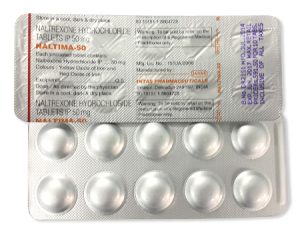
International brand names such as Adepend, Naltima, Nodict, Nalcon, Naltrexone Accord, and Naltrexona Torrex exist in other markets, but local availability depends on regulation.
Avoid unverified online sellers, especially for injectable products, because counterfeit or poorly stored medicine can be dangerous.
If you are traveling or moving, bring the generic name, brand name, dose, and formulation so a local pharmacist can identify an equivalent product.
In our online pharmacy, naltrexone is available without a prescription, with discreet delivery to United States in 5-14 days.
Safe pharmacy checklist:
- Confirm the pharmacy is licensed.
- Check that the product name matches the prescription or treatment plan.
- Verify whether you are getting oral tablets or the monthly injection.
- Avoid sellers that cannot explain storage or sourcing.
- Use a pharmacist who can answer questions about side effects and interactions.
Price Comparison
What affects the final price of naltrexone?
Pricing depends on formulation, insurance coverage, and whether you choose tablets or the extended-release injection.
Oral tablets are often less expensive upfront, while monthly injection programs can cost more because of clinic time and administration.
When comparing options, look at the total cost, not just the label price.
Office visits, prior authorization, shipping, and storage requirements can all change the final bill.
Ask whether the pharmacy can dispense generic naltrexone 50 mg tablets or a brand-specific product.
For budgeting, compare cash price, insurance copay, and refill frequency side by side.
| Cost Factor | Oral Tablets | Monthly Injection |
|---|---|---|
| Upfront price | Usually lower | Usually higher |
| Adherence support | Depends on the patient | Built into the clinic schedule |
| Extra visits | Fewer | More, because of administration |
| Storage needs | Simple room-temperature storage | Refrigeration per label |
What Is Inside And How It Works
Ingredients Overview
What exactly is in naltrexone products?
The active ingredient is naltrexone hydrochloride, an opioid receptor antagonist.
Oral products commonly come as 25 mg, 50 mg, or 100 mg tablets, while the long-acting injectable product is typically 380 mg per vial.
Brand examples include Revia, Vivitrol, Adepend, Naltima, Nodict, Nalcon, Naltrexone Accord, and Naltrexona Torrex.
Some local markets may offer compounded oral solutions, but these are less common for commercial packaging.
| Formulation | Strengths | Example Brands |
|---|---|---|
| Tablet (oral) | 25 mg, 50 mg, 100 mg | Revia, Naltima, Adepend |
| Extended-release injection | 380 mg per vial | Vivitrol |
Mechanism Basics
How does an opioid antagonist help with alcohol dependence and opioid addiction?
Naltrexone blocks opioid receptors, which reduces the rewarding effects of opioids and may lower alcohol cravings or relapse risk in some patients.
That is why it is used for Naltrexone for alcohol dependence and Naltrexone for opioid addiction after detox.
It does not produce opioid effects and does not replace methadone or buprenorphine.
This matters in daily life because pain medicine may not work normally while naltrexone is on board.
Patients should tell every clinician they are taking Naltrexone hydrochloride before surgery or emergency care.
Simple mechanism summary:
- Naltrexone sits on opioid receptors.
- Opioids cannot activate those receptors normally.
- Reward from opioids is reduced.
- Alcohol cravings or relapse risk may decrease for some patients.
- Pain treatment planning must take the blockade into account.
Main Indications
Approved Uses
When is naltrexone officially used?
The core approved uses are alcohol dependence and opioid dependence in people who have already detoxed.
For alcohol dependence, oral naltrexone is commonly used at 50 mg daily, and the injection is given every 4 weeks when the monthly form is appropriate.
For opioid dependence, the medication should only be started after opioid withdrawal has cleared.
In practice, the best candidates are motivated patients who want relapse-prevention support and can follow up reliably.
Because it is Rx only and not a stand-alone cure, it is usually combined with counseling, therapy, or recovery programs.
| Indication | Common Form | Typical Duration |
|---|---|---|
| Alcohol dependence | Oral 50 mg daily or monthly injection | At least 3 to 6 months, longer if needed |
| Opioid dependence after detox | 25 mg test dose, then 50 mg daily, or monthly injection | 12 weeks or longer |
Off-Label Uses
Some clinicians use low-dose naltrexone, or LDN, for conditions outside the main approvals, but that is a separate discussion from standard dependence treatment.
The evidence and dosing are different, so patients should not assume that every naltrexone product works the same way.
Off-label use may come up in pain, inflammatory, or autoimmune discussions, but those uses need individualized medical review.
It is important to distinguish approved addiction treatment from experimental or specialty use so expectations stay realistic.
Approved versus off-label:
- Approved: alcohol dependence and opioid dependence after detox.
- Off-label: low-dose naltrexone discussions in other conditions.
- Always confirm the dose and goal before starting.
Interaction Warnings
Food Interactions
Are there food restrictions with naltrexone?
There are no major food restrictions for oral naltrexone, but taking it with food may reduce nausea.
Alcohol is not a direct food interaction, but for people using treatment to reduce drinking, alcohol can undermine the goal.
Patients with stomach sensitivity often do better with a bland snack when starting therapy.
Hydration, regular meals, and avoiding skipped meals can also help with side effects and adherence.
Food tips:
- Take the tablet with food if nausea is a problem.
- Use bland snacks when you first start if your stomach is sensitive.
- Stay hydrated.
- Avoid skipping meals when possible.
Drug Conflicts
What medicine conflicts matter most?
The biggest interaction concern is opioids, including pain medications, cough products, and illicit opioids.
Naltrexone can block opioid effects and can precipitate withdrawal if opioids are present.
It should also be used cautiously with other hepatotoxic drugs because liver injury risk may increase.
Before any procedure, patients should tell the surgeon or dentist they take naltrexone.
This is especially important for emergency pain management.
| Avoid | Use Caution | Ask Your Clinician |
|---|---|---|
| Opioid pain medicines while actively taking naltrexone | Other medicines that can stress the liver | What to do before surgery |
| Opioid cough products and illicit opioids | Alcohol if you are being treated for alcohol dependence | How to manage emergency pain |
Latest Evidence And Insights
What Current Practice Emphasizes
What does modern naltrexone care look like?
Today the focus is less on medication alone and more on combined treatment.
Oral or injectable naltrexone is commonly paired with counseling, relapse-prevention planning, and regular follow-up.
Real-world outcomes improve when dosing fits the patient’s lifestyle, which is one reason the monthly Vivitrol injection can help people who struggle with daily tablets.
Evidence also supports checking liver status before and during treatment when risk factors are present.
For patient education, the strongest message is simple: naltrexone works best as part of a plan, not as a one-time fix.
Evidence-based care steps:
- Choose the formulation that fits daily life.
- Pair medication with counseling or psychosocial support.
- Monitor liver status when risk factors exist.
- Track cravings and side effects over time.
- Keep follow-up visits on the calendar.
Practical Patient Takeaways
Should patients expect immediate results?
No, and that is where realistic expectations help.
Benefits usually build gradually rather than feeling like a sudden reset.
If side effects show up early, they often lessen with time or with better timing around meals.
If cravings remain high, the answer may be more support, not a higher dose.
If opioids are needed for acute pain, the care team needs to know in advance.
The real-world takeaway is that success depends on follow-up, honest reporting, and staying engaged even when the first week is uncomfortable.
Watch over time for:
- Cravings that improve slowly rather than instantly.
- Side effects that settle after the first week or two.
- Need for more counseling or structured support.
- Any upcoming surgery or emergency care.
Alternative Choices
Medication Alternatives
What if naltrexone is not the right fit?
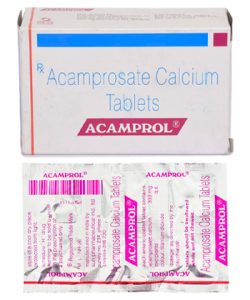
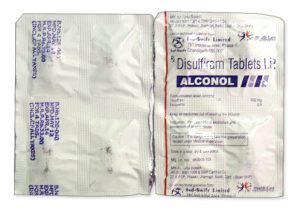
For alcohol use disorder, common alternatives include acamprosate, disulfiram, and nalmefene in some regions.
For opioid use disorder, methadone and buprenorphine are major alternatives or adjunctive therapies.
The best choice depends on whether the goal is abstinence support, harm reduction, daily versus monthly treatment, and whether opioid agonist therapy is appropriate.
Naltrexone is different because it is an antagonist, so it does not relieve withdrawal or replace an opioid.
| Medication | Main Use | Key Difference |
|---|---|---|
| Acamprosate | Alcohol abstinence support | Different mechanism, not an opioid antagonist |
| Disulfiram | Alcohol aversion therapy | Works through alcohol deterrence |
| Nalmefene | Alcohol dependence in some regions | Availability varies by country |
| Methadone | Opioid dependence | Opioid agonist treatment |
| Buprenorphine | Opioid dependence | Adjunctive or alternative opioid therapy |
When Another Option May Fit Better
Another medication may be better if the patient cannot stay opioid-free before starting, cannot tolerate side effects, has active liver disease, or needs something that also helps with withdrawal management.
Some people also prefer a formulation that matches how they already take medicines.
Shared decision-making matters because recovery goals vary from one patient to the next.
Decision factors to review:
- Can the patient stay opioid-free before starting?
- Is liver disease active?
- Would daily, monthly, or supervised dosing be easiest?
- Are cravings better managed with abstinence support or opioid agonist treatment?
Regulation Snapshot
U.S. And Global Status
How is naltrexone classified around the world?
In the United States, oral naltrexone has been FDA-approved since 1984, and Vivitrol since 2006.
It is prescription only in major jurisdictions.
Product information also notes approval and marketing in Europe under national registrations, in Canada as Revia and Vivitrol, in India under several brands, in Romania as Naltrexona Torrex, and in Australia as Naltrexone GH.
This helps if you are comparing names across countries, because the brand can change while the active ingredient stays the same.
| Region | Status | Common Names |
|---|---|---|
| United States | FDA-approved | Revia, Vivitrol |
| Canada | Rx marketed | Revia, Vivitrol |
| Europe | National registrations | Adepend, Naltrexone Accord, others |
| India | Licensed by CDSCO | Naltima, Nodict, Nalcon, Naltrex |
| Romania | Rx marketed | Naltrexona Torrex |
| Australia | Rx registered | Naltrexone GH |
Naming And Classification Details
The INN is naltrexone, and the ATC code is N07BB04.
That classification places it among drugs used in alcohol dependence.
Global trade names include Depade, Nalorex, Narcoral, Nemexin, Trexan, and Vivitrex, along with the better-known U.S. brands.
Those identifiers help pharmacists and clinicians avoid confusion when cross-checking prescriptions or records.
Identity details:
- INN: Naltrexone
- ATC code: N07BB04
- Regulatory class: Prescription only
- Common U.S. names: Revia and Vivitrol
Frequently Asked Questions
Common Patient Questions
How long does naltrexone take to work?
Some people notice a change in cravings within days, but the full benefit may take longer and depends on follow-up and adherence.
Can I drink alcohol while taking it?
Alcohol is not a direct interaction in the way opioids are, but drinking can undermine the treatment goal when the medication is being used for alcohol dependence.
What if I miss a dose?
Take an oral dose when you remember unless it is close to the next one, and do not double up.
Is the injection better than tablets?
Neither is automatically better.
The injection can help people who struggle with daily adherence, while tablets can be easier and less expensive upfront.
Can I use it if I may need pain medicine later?
Tell your clinician before any procedure or emergency visit, because opioid pain medicines may not work normally while naltrexone is active.
Questions To Ask Your Clinician
What should you ask before starting?
Ask about liver testing, formulation choice, likely side effects, and whether counseling is recommended.
It is also smart to ask what to do before surgery, during an emergency, or if a dose is missed.
For people comparing Revia tablets and Vivitrol injection, the practical issues are cost, adherence, and appointment access.
Good visit questions:
- Do I need liver tests before I start?
- Should I take tablets or use the monthly injection?
- What side effects should I expect in the first two weeks?
- What should I do if I miss a dose?
- What happens if I need surgery or pain medicine later?
Guidelines For Proper Use
Storage, Missed Doses, And Overdose Response
How should naltrexone be stored at home?
Store tablets at 20° to 25°C, or 68° to 77°F, and protect them from moisture.
Keep injectable solutions refrigerated according to the product label.
Transport all forms in original packaging and protect them from excessive heat or freezing.
If an oral dose is missed, take it when remembered unless the next dose is close, and do not double doses.
Overdose symptoms may include liver toxicity, nausea, and central nervous system symptoms, and severe cases need immediate medical attention because there is no specific antidote.
Storage and emergency checklist:
- Keep tablets dry and at room temperature within the labeled range.
- Refrigerate injectable products exactly as directed on the label.
- Carry medication in original packaging when traveling.
- Do not double a missed oral dose.
- Seek urgent care if severe symptoms suggest overdose or liver injury.
Long-Term Use And Follow-Up
What helps naltrexone work over time?
Long-term use works best when the patient has a clear reason to continue, regular follow-up, and ongoing support for cravings or triggers.
Clinicians often monitor liver enzymes, side effects, and treatment goals as therapy continues.
If drinking or opioid cravings return, the answer may be a medication review rather than automatic discontinuation.
Naltrexone fits everyday life best when it is part of a structured plan with reminders, refill tracking, and honest communication about setbacks.
Follow-up milestones:
- Review early side effects after the first one to two weeks.
- Check adherence and refill timing.
- Reassess cravings and recovery goals regularly.
- Monitor liver status when risk factors are present.
- Plan ahead for travel, surgery, or emergency care.
Delivery Across United States
| City | Region | Delivery Time |
|---|---|---|
| New York | Northeast | 5-7 days |
| Los Angeles | West | 5-7 days |
| Chicago | Midwest | 5-7 days |
| Houston | South | 5-7 days |
| Phoenix | West | 5-7 days |
| Philadelphia | Northeast | 5-7 days |
| San Antonio | South | 5-7 days |
| San Diego | West | 5-7 days |
| Dallas | South | 5-7 days |
| San Jose | West | 5-7 days |
| Austin | South | 5-7 days |
| Jacksonville | South | 5-9 days |
| Fort Worth | South | 5-9 days |
| Columbus | Midwest | 5-9 days |
| Charlotte | South | 5-9 days |