
Alcoholism
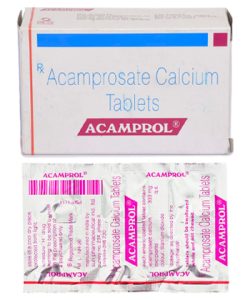
Acamprosate
from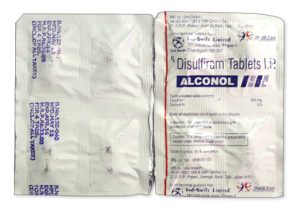
Antabuse
from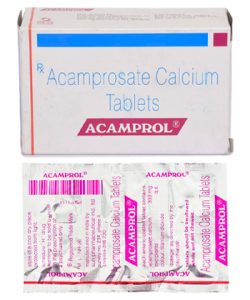
Campral
from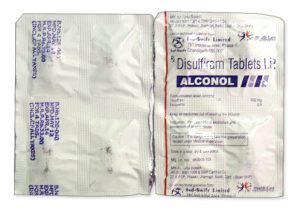
Disulfiram
from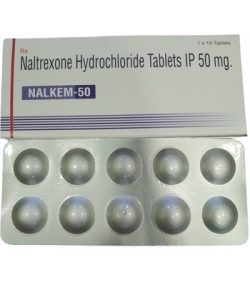
Naltrexone
from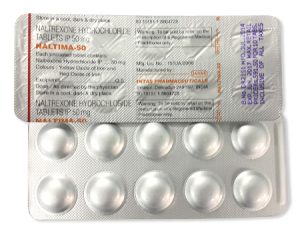
Revia
from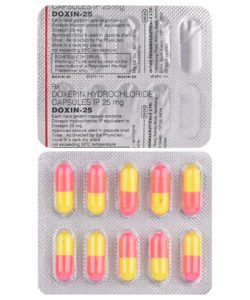
Sinequan
fromUnderstanding Alcoholism and Alcohol Use Disorder
Alcoholism, clinically known as alcohol use disorder (AUD), is a chronic medical condition characterized by the inability to control alcohol consumption despite negative consequences. This condition affects millions of Americans and can range from mild to severe. The disorder involves a pattern of drinking that leads to significant impairment in daily functioning, relationships, work performance, and overall health.
People with alcoholism experience intense cravings for alcohol and continue drinking despite knowing the harmful effects. The condition develops over time as tolerance builds, requiring larger amounts of alcohol to achieve the same effects. Physical dependence can occur, leading to withdrawal symptoms when alcohol consumption decreases or stops. Understanding that alcoholism is a medical condition rather than a moral failing is crucial for seeking appropriate treatment and support.
Symptoms, Causes, and Risk Factors
Recognizing Symptoms of Alcoholism
Common signs of alcoholism include drinking alone or hiding alcohol consumption, experiencing blackouts, neglecting responsibilities, and relationship problems. People may continue drinking despite physical or emotional problems. Additional symptoms include tolerance, which means needing more alcohol to feel the same effects, and withdrawal symptoms like tremors or anxiety when not drinking. Many individuals make unsuccessful attempts to cut down on alcohol use despite their desire to do so.
Understanding Root Causes
Alcoholism develops through a combination of factors including genetics, environmental influences, psychological conditions, and social circumstances. A family history of alcoholism significantly increases risk, as genetic factors account for approximately 50 percent of the risk for developing alcohol use disorder. Environmental factors such as trauma, stress, peer pressure, and early exposure to alcohol also play important roles in developing this condition.
Identifying Risk Factors
Individuals with mental health disorders like depression, anxiety, or post-traumatic stress disorder face higher risks of developing alcoholism. Social factors, including having friends or family members who drink heavily, occupational stress, and cultural attitudes toward alcohol consumption, contribute to increased vulnerability. Age is also relevant, as early alcohol use during adolescence increases the likelihood of developing alcohol use disorder later in life.
FDA-Approved Medications for Alcohol Use Disorder Treatment
Naltrexone
Naltrexone is a medication that blocks the effects of alcohol in the brain, reducing cravings and the rewarding sensation associated with drinking. Available in oral form (Revia, Depade) and extended-release injection (Vivitrol), naltrexone helps decrease the desire to drink and increases abstinence rates among patients. The medication works by blocking opioid receptors that are involved in the reward pathway of alcohol use. It is particularly effective for patients who have already stopped drinking and want to maintain abstinence.
Acamprosate
Acamprosate (Campral) is specifically designed to maintain abstinence by reducing cravings and minimizing withdrawal symptoms. This medication restores the balance of neurotransmitters in the brain that are disrupted by chronic alcohol use. Acamprosate is taken three times daily and is especially helpful for patients who have already achieved sobriety but struggle with maintaining it. The medication is well-tolerated with minimal side effects and can be used safely in patients with other medical conditions.
Disulfiram
Disulfiram (Antabuse) works through a different mechanism, creating an unpleasant reaction when alcohol is consumed. This medication causes severe flushing, nausea, vomiting, headache, and chest pain if a person drinks alcohol while taking it. The deterrent effect helps motivate patients to avoid alcohol consumption. Disulfiram requires strong commitment and understanding of consequences, making it suitable for highly motivated patients seeking additional behavioral support.
Additional Medications
Topiramate (Topamax) is an anticonvulsant medication that has shown effectiveness in reducing cravings and consumption in some patients with alcohol use disorder. While not FDA-approved specifically for alcoholism, clinical studies support its use as an adjunctive treatment. Baclofen, another medication sometimes prescribed off-label, may help reduce cravings in certain patients. These medications may be recommended when first-line treatments are ineffective or poorly tolerated.
Comprehensive Treatment Approaches and Therapy Options
Medical Detoxification
Medical detoxification is often the first step in treating alcoholism, especially for individuals with severe alcohol dependence. Healthcare providers monitor withdrawal symptoms and may prescribe benzodiazepines to manage seizures, tremors, and anxiety. This process typically takes three to seven days and should always be conducted under professional supervision, as severe withdrawal can be life-threatening. Medications like chlordiazepoxide (Librium) or lorazepam (Ativan) are commonly used during medical detoxification.
Behavioral Therapies and Support Systems
Multiple evidence-based therapies have proven effective in treating alcoholism. Treatment options include:
- Cognitive-behavioral therapy (CBT) helps patients identify triggers for drinking and develop coping strategies
- Motivational interviewing encourages individuals to resolve ambivalence about changing drinking behaviors
- Group therapy provides peer support and shared experiences among people recovering from alcoholism
- Family therapy addresses relationship dynamics and involves loved ones in the recovery process
- Alcoholics Anonymous (AA) offers peer support and spiritual guidance through a twelve-step program
- SMART Recovery provides a science-based alternative focused on self-empowerment and self-directed change
These programs offer free or low-cost support accessible to anyone committed to recovery.
Inpatient and Outpatient Rehabilitation
Inpatient programs provide intensive treatment in a residential setting, ideal for severe cases or those with multiple relapses. Outpatient programs allow patients to maintain daily responsibilities while attending therapy sessions and receiving medical management. Intensive outpatient programs (IOP) offer structured treatment three to five days per week, bridging the gap between inpatient and standard outpatient care.
Lifestyle Changes and Long-Term Recovery Management
Successful recovery requires substantial lifestyle modifications beyond medication. Developing healthy coping mechanisms for stress, such as exercise, meditation, or creative outlets, helps manage triggers without alcohol. Building a supportive social network of friends and family who encourage sobriety is essential for maintaining recovery. Avoiding high-risk situations and removing alcohol from the home environment reduces temptation and relapse risk.
Nutritional support is important, as chronic alcohol use depletes essential vitamins and minerals. Thiamine, B vitamins, and folic acid supplements may be recommended by healthcare providers. Regular physical activity improves mood, reduces anxiety, and supports overall health during recovery. Adequate sleep, stress management, and engaging in meaningful activities provide structure and purpose to daily life.
Finding Help and Resources in the United States
Professional Treatment Resources
The SAMHSA National Helpline (1-800-662-4357) provides free, confidential referrals to local treatment facilities and support groups twenty-four hours a day, seven days a week. Healthcare providers, primary care physicians, and addiction specialists can assess individual needs and recommend appropriate treatment options. Hospital emergency departments provide crisis intervention and medical detoxification when necessary.
Community and Online Support
Many communities offer free support group meetings including AA, SMART Recovery, and other peer-led organizations. Online therapy and telemedicine options have expanded access to professional treatment, particularly in rural areas. Employee assistance programs through employers often provide counseling and treatment referrals at no cost. Insurance coverage for alcoholism treatment has expanded significantly, with most plans now covering medications, therapy, and rehabilitation services.
Recovery from alcoholism is possible with proper treatment, support, and commitment. Combining medication with behavioral therapy, lifestyle changes, and community support offers the best chance for long-term success and improved quality of life.