Pletal
In brief
- Pletal (cilostazol) is normally a prescription-only medicine in major jurisdictions (FDA, EMA, Health Canada, TGA, MHRA); it is dispensed in pharmacies and by licensed online pharmacies — some e-pharmacies or local outlets may offer it without a prescription, but obtaining prescription medicines without a valid prescription is not recommended and may be unlawful; always consult a healthcare professional before use.
- Pletal is used to treat intermittent claudication due to peripheral arterial disease; it works as a phosphodiesterase III (PDE‑III) inhibitor with vasodilatory and antiplatelet effects, improving walking distance by reducing platelet aggregation and increasing blood flow to the legs.
- Usual adult dose: 100 mg orally twice daily (commonly 30 minutes before or at least 2 hours after meals); clinical benefit is usually assessed after 2–4 weeks and may take up to 12 weeks for full effect; discontinue if no improvement after about 3 months.
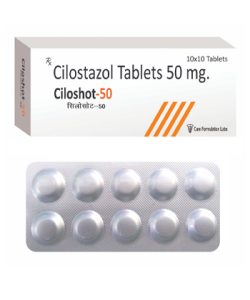
- Administration form: oral tablets (commonly 100 mg tablets; 50 mg tablets are rare in some regions).
- Onset time: some patients may notice improvement in symptoms within 2–4 weeks; maximum clinical effect can take up to 12 weeks of continuous therapy.
- Duration of action: dosing is twice daily with an expected duration of pharmacologic effect around 12 hours (half-life approximately 11–13 hours), which is why it is given twice daily.
- Alcohol warning: avoid excessive alcohol; alcohol may increase dizziness, headache, tachycardia or hypotension and can worsen side effects—use caution and discuss alcohol use with your prescriber.
- The most common side effects include headache, diarrhea or abnormal stools, palpitations/tachycardia, dizziness and peripheral edema; these are usually mild to moderate and often improve with time but should be monitored.
- Would you like to try pletal without a prescription?
Basic Pletal Information
- INN (International Nonproprietary Name): Cilostazol
- Brand Names Available In United States: Pletal (brand discontinued; generics available)
- ATC Code: B01AC23
- Forms & Dosages: Tablet, commonly 100 mg (round) in blister packs of 20, 30, or 56; 50 mg tablet is rare and seen primarily in Asia.
- Manufacturers In United States: Original sponsor Otsuka Pharmaceutical Co.; multiple generic manufacturers supply cilostazol in the US market.
- Registration Status In United States: FDA approved (brand Pletal discontinued; generics remain available)
- OTC / Rx Classification: Prescription Only Medicine (Rx)
Everyday Use & Best Practices
Morning Vs Evening Dosing
Worried about missing a dose or mixing up morning and evening pills?
Take cilostazol as prescribed, typically 100 mg orally twice daily.
Choose consistent times for doses to match your meals and routine.
A practical schedule is a morning dose about 30 minutes before breakfast and an evening dose about 30 minutes before your main evening meal.
If your evening meal is late, take the evening dose at least two hours after eating, following the label guidance to take 30 minutes before or 2 hours after meals.
Set phone alarms tied to mealtimes to reduce missed doses.
Taking With Or Without Meals
Does food matter for cilostazol?
Yes—take cilostazol 30 minutes before a meal or at least 2 hours after a meal to keep absorption consistent.
Taking the tablet with the recommended timing helps reduce variability in blood levels and aligns with product labeling.
Store tablets in their original blister to protect from light and moisture.
- Typical Adult Dose: 100 mg orally twice daily.
- Timing Tip: Morning ~30 minutes before breakfast; evening ~30 minutes before main evening meal or ≥2 hours after eating.
- Absolute Contraindication: Do NOT use if you have any degree of heart failure.
| Before Meal | After Meal |
|---|---|
| Take 30 minutes before breakfast or evening meal | If missed, take at least 2 hours after eating |
Missed-dose rule: take as soon as remembered unless it is near the next dose; never double up.
If you experience palpitations, dizziness, or severe headache, pause dosing and contact your prescriber right away.
Patient-friendly note: some people notice improvement within 2–4 weeks, but full benefit may take up to 12 weeks.
Track walking distance in a simple diary to judge benefit.
Safety Priorities
Who Should Avoid It
Are you wondering if cilostazol is safe for you?
Do not take cilostazol if you have any degree of heart failure, as this is an absolute contraindication.
Avoid cilostazol in moderate to severe hepatic impairment; severe liver disease is contraindicated.
Do not use cilostazol if you have a known allergy to cilostazol or any excipient in the tablet.
Use caution if you have bleeding disorders, active peptic ulcer disease, or severe renal impairment.
Also use caution when co-administered with strong CYP3A4 or CYP2C19 inhibitors because they can raise cilostazol exposure.
- Absolute Contraindications: Any degree of heart failure; severe hepatic impairment; hypersensitivity to cilostazol or excipients.
- Relative/Precautionary Conditions: Bleeding disorders, active peptic ulcer, severe renal impairment, concomitant strong CYP inhibitors.
Activities To Limit
What activities might be unsafe while starting cilostazol?
Avoid driving, operating heavy machinery, or swimming alone if you experience dizziness, palpitations, or syncope after starting the drug.
Monitor common side effects such as headache, diarrhea, tachycardia, and peripheral edema and report persistent or severe symptoms to your clinician.
For older adults, no routine dose change is required, but close monitoring for adverse events is advised.
In case of suspected overdose with severe headache, severe diarrhea, low blood pressure, or arrhythmias, seek emergency care immediately.
- When To Avoid Driving/Work: new dizziness, fainting, rapid heartbeats, or severe lightheadedness.
- Emergency Contacts: keep your clinician and local emergency number with your medication record.
Dosage & Adjustments
General Regimen
How is cilostazol usually prescribed?
The general adult regimen is 100 mg orally twice daily, taken 30 minutes before meals or 2 hours after meals.
Assess benefit after 2–4 weeks; expect full effect up to 12 weeks.
If there is no meaningful improvement after about three months, clinicians usually discontinue the medication.
Special Cases
Are there situations where the dose or use changes?
| Population | Dose | Notes |
|---|---|---|
| Adults | 100 mg twice daily | Start with labeled timing; assess at 2–4 and 12 weeks |
| Elderly | 100 mg twice daily | No routine change; monitor closely for side effects |
| Hepatic Impairment | Not Recommended | Contraindicated in moderate to severe hepatic impairment |
| Renal Impairment | Use Caution | No routine adjustment, but monitor for adverse events in severe impairment |
| Children | Not Established | Not recommended due to lack of safety data |
- Checklist For Monitoring: check blood pressure, pulse rate, and monitor for GI symptoms like diarrhea or abdominal pain.
- Drug-Interaction Note: review all medications for strong CYP3A4 or CYP2C19 inhibitors and consider specialist input if such drugs are required.
User Testimonials
Positive Reports
Will this medicine help me walk farther?
Many patients report improved walking distance and reduced claudication symptoms within weeks to months of starting cilostazol.
Common real-world anecdotes describe having more energy on walks and needing fewer rest stops.
Positive reports often note gradual improvement up to 12 weeks and regained confidence to maintain an exercise program.
Common Challenges
What problems do patients commonly face when starting cilostazol?
Early side effects commonly reported include headache, palpitations, mild diarrhea, and occasional dizziness.
Most side effects resolve with time, but persistent or worrisome symptoms should prompt contact with the prescriber.
- Patient Tips: keep a walking diary, tie morning dosing to breakfast, and report palpitations or rapid heartbeat immediately.
- Side-Effect Action Checklist: call your clinician for persistent palpitations, chest pain, fainting, or severe headache; go to the ER for severe arrhythmia or hypotension.
Note: testimonials and tips are not a substitute for medical advice, and anyone with heart-failure history should not take cilostazol.
Buying Guide
Pharmacy Sources
Where can cilostazol be obtained in the United States?
Cilostazol is prescription-only in major jurisdictions, though generics are widely available after the brand was discontinued in the US market.
Ask your local retail chain, independent pharmacy, or a reputable mail-order/online pharmacy for generic cilostazol.
When using online pharmacies, confirm they require a valid prescription and display pharmacy board credentials.
For travelers: brand Pletal is still marketed in many countries, including parts of Europe and Canada, with country-specific packaging.
In our online pharmacy, pletal is available without a prescription, with discreet delivery to United States in 5-14 days.
Price Comparison
How to keep costs down when buying cilostazol?
| Source | Pros | Cons | Price Tips |
|---|---|---|---|
| Local Retail Chains | Immediate pickup, counseling available | May be pricier | Check in-store discounts and pharmacy savings cards |
| Independent Pharmacy | Personal service, price negotiation possible | Limited stock on rare brands | Ask about generic manufacturers |
| Online/Mail-Order Pharmacy | Convenience, often lower prices | Shipping time, verify credentials | Compare prices with GoodRx-type services |
- Verification Steps For Online Pharmacies: ensure they require an Rx, show US pharmacy license, and have secure payment/privacy practices.
- Travel Tip: keep a printed medication list and prescription when traveling with cilostazol or Pletal packaging from other countries.
What’s Inside & How It Works
Ingredients Overview
What does a cilostazol tablet contain?
The active ingredient is cilostazol, formulated mostly as 100 mg tablets; excipients vary by manufacturer.
Packaging commonly includes blister packs of 20, 30, or 56 tablets depending on country and manufacturer.
Check the local leaflet or pharmacy label for a full excipient list if you have allergy concerns.
Mechanism Basics
How does cilostazol relieve claudication?
Cilostazol is a phosphodiesterase III (PDE3) inhibitor with antiplatelet and vasodilatory effects.
It inhibits platelet aggregation and produces vasodilation in peripheral arteries, improving blood flow and reducing claudication symptoms.
The ATC classification is B01AC23, reflecting its antithrombotic/platelet aggregation inhibitor role.
| Mechanism | Expected Effect | Timeline |
|---|---|---|
| PDE3 Inhibition | Vasodilation, improved microcirculation | Weeks to months; up to 12 weeks for full effect |
| Antiplatelet Action | Reduced platelet aggregation | Immediate pharmacologic effect; clinical benefit over weeks |
- What’s In A Tablet: active cilostazol 100 mg (commonly), plus manufacturer-specific excipients—check the leaflet for allergies.
- Mechanism Explains Side Effects: vasodilation and PDE3 blockade can cause tachycardia and headache.
Main Indications
Approved Uses
Is cilostazol approved for my leg pain?
Cilostazol is indicated for intermittent claudication caused by peripheral arterial disease to increase walking distance and reduce symptoms.
Treatment is typically 100 mg twice daily with clinical assessment after several weeks up to 12 weeks to gauge benefit.
Off-Label Uses
Are there other uses for cilostazol?
Some clinicians consider cilostazol for other vascular or microcirculatory issues, but evidence and approvals vary by region.
Always discuss off-label use, risks, and alternative treatments with a vascular specialist or prescriber.
- When It’s Indicated: intermittent claudication due to peripheral arterial disease.
- When It’s Not Indicated: children (not recommended), any degree of heart failure (absolute contraindication).
| Use | Evidence/Approval | Notes |
|---|---|---|
| Intermittent Claudication | Approved | 100 mg twice daily; benefit assessed up to 12 weeks |
| Other Vascular Conditions | Off-Label / Variable | Discuss with specialist; weigh cardiac safety |
Interaction Warnings
Food Interactions
Should food or drink change how I take cilostazol?
Follow label guidance and dose 30 minutes before or 2 hours after meals to optimize absorption.
Avoid grapefruit or grapefruit juice when using medications that interact via CYP3A4 because grapefruit can affect metabolism pathways related to cilostazol.
Drug Conflicts
Which medicines can interact with cilostazol?
Strong CYP3A4 and CYP2C19 inhibitors can increase cilostazol levels and should be used with caution or avoided.
Concurrent antiplatelet or anticoagulant therapy increases bleeding risk and requires coordination with prescribers.
Classes to review with your pharmacist include strong azole antifungals, certain macrolide antibiotics, and some antidepressants and PPIs that affect CYP enzymes.
| Interaction | Effect | Action |
|---|---|---|
| Strong CYP3A4/CYP2C19 Inhibitors | Increased cilostazol exposure | Monitor, reduce dose if advised, or avoid combination |
| Antiplatelets/Anticoagulants | Increased bleeding risk | Coordinate care and monitor bleeding signs |
| Grapefruit Juice | Potential to alter CYP3A4 metabolism | Avoid grapefruit products with interacting drugs |
- High-Risk Drugs: strong azole antifungals, certain macrolides, potent CYP inhibitors.
- Action Tip: keep an updated medication list and share it with all providers and the pharmacist.
Latest Evidence & Insights
What does the evidence say about cilostazol?
Clinical trials and product labeling show cilostazol improves walking distance compared with placebo when used at 100 mg twice daily.
Regulatory status: FDA-approved in the US (brand discontinued; generics available), and approved in multiple other jurisdictions including EMA-member countries, Canada, and Australia.
Comparative data suggest cilostazol often delivers better walking-distance outcomes than pentoxifylline and naftidrofuryl, though cardiac safety and tolerability must be considered.
Patient-level evidence emphasizes combining medication with supervised exercise and vascular risk reduction for the best results.
| Outcome | Comparative Drugs | Notes |
|---|---|---|
| Walking Distance Improvement | Pentoxifylline, Naftidrofuryl | Cilostazol often shows superior improvement; balance with safety profile |
| Onset Of Benefit | NA | Some improvement in 2–4 weeks; up to 12 weeks for full effect |
- Checklist For Discussing Evidence: ask your clinician about comparative effectiveness, cardiac risk assessment, and exercise therapy integration.
Alternative Choices
Medications To Consider
What else can be used for intermittent claudication?
Pentoxifylline is available in the US and is a common alternative with a different side-effect profile.
Naftidrofuryl oxalate is used more widely in Europe and parts of Asia and has distinct efficacy and tolerability characteristics.
Cilostazol generics remain a direct alternative to the discontinued brand Pletal.
Non-Drug Options
What non-medical steps help claudication?
Supervised exercise therapy, smoking cessation, weight control, and aggressive risk-factor management for blood pressure and lipids are cornerstone strategies.
Revascularization may be appropriate in severe disease or when conservative measures fail.
| Option | Efficacy | Main Side Effects / Notes |
|---|---|---|
| Cilostazol | Moderate to Good | Headache, tachycardia, contraindicated in heart failure |
| Pentoxifylline | Modest | GI upset, less pronounced cardiac concerns |
| Supervised Exercise Therapy | High (when followed) | Requires program access and patient adherence |
- Lifestyle Checklist: enroll in a structured walking program, stop smoking, manage lipids/blood pressure, and discuss statin/antiplatelet therapy as indicated.
Regulation Snapshot
Prescription And Approvals
Is cilostazol legal where I live?
Cilostazol is prescription-only across major jurisdictions, including the United States where FDA approval exists and generics are marketed after brand discontinuation.
Regulatory approvals also cover many European countries, Canada, Australia, and Japan under various brand names and local marketing authorizations.
Packaging & Availability By Country
How is Pletal or cilostazol packaged around the world?
| Country | Brand | Packaging / Notes |
|---|---|---|
| United States | Pletal (brand discontinued) | Generics available; prescription-only |
| United Kingdom | Pletal | Tablets 100 mg, 56 pack |
| France | Pletal | Comprimés 100 mg, 30 tablets |
| Canada | Pletal | 100 mg tablets (bottles) |
- Packaging Examples: blister packs of 20, 30, or 56 for 100 mg tablets; 50 mg tablets rare and region-specific.
- Patient Action: always use a legal prescription and keep the pharmacy dispensing label for safety and travel.
FAQ Section
Quick Answers
Can I take cilostazol with meals?
Take it 30 minutes before or 2 hours after meals for consistent absorption.
What if I miss a dose?
Take as soon as you remember unless it is almost time for the next dose; do not double doses.
Is it safe with heart failure?
No—any degree of heart failure is an absolute contraindication and cilostazol should not be used.
How long to see benefit?
Some improvement may appear in 2–4 weeks, with up to 12 weeks for full effect.
When To Call Your Clinician
When should you notify a clinician?
- New or worsening palpitations or chest pain.
- Fainting or near-syncope.
- Severe headache or sudden vision changes.
- Persistent diarrhea, severe abdominal pain, or signs of bleeding.
Carry an up-to-date medication list and pharmacy contact information when you have questions or need urgent advice.
Guidelines For Proper Use
Monitoring & Follow-Up
What checks should be done before and during treatment?
Baseline cardiac history is essential to rule out heart failure before starting cilostazol.
Assess liver function and review concomitant medications for CYP interactions.
Schedule a follow-up at 2–4 weeks to review side effects and again near 12 weeks to evaluate efficacy; discontinue if no benefit by about three months.
Monitor pulse and blood pressure periodically because of the risk of tachycardia and palpitations.
Practical Storage And Transport Tips
How should cilostazol be stored and transported?
| Condition | Recommendation |
|---|---|
| Storage Temperature | Store at room temperature 15–30°C in a dry place |
| Packaging | Keep tablets in original blister to protect from light and moisture |
| Travel | Carry medication in original packaging with prescription label; avoid extreme heat or humidity |
- Monitoring Checklist: baseline cardiac/liver evaluation, medication review for CYP interactions, follow-up at 2–4 and 12 weeks, routine pulse/BP checks.
Delivery Across United States
| City | Region | Delivery time |
|---|---|---|
| New York | Northeast | 5-7 days |
| Los Angeles | West | 5-7 days |
| Chicago | Midwest | 5-7 days |
| Houston | South | 5-7 days |
| Phoenix | West | 5-7 days |
| Philadelphia | Northeast | 5-7 days |
| San Antonio | South | 5-7 days |
| San Diego | West | 5-7 days |
| Dallas | South | 5-7 days |
| San Jose | West | 5-9 days |
| Austin | South | 5-9 days |
| Jacksonville | South | 5-9 days |
| Fort Worth | South | 5-9 days |
| Columbus | Midwest | 5-9 days |
| San Francisco | West | 5-9 days |