Tretinoin Cream
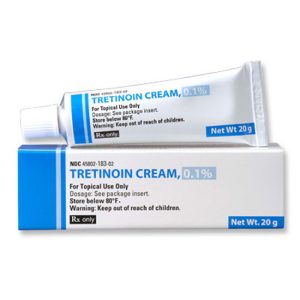
In brief
- Tretinoin cream can be purchased from pharmacies and online medical retailers in many countries, including the United States and Europe; however, it is prescription-only (Rx) in most regulated markets. In some pharmacy settings, it may be available without a prescription.
- Tretinoin cream is used for acne vulgaris and, in some cases, photoaging and fine wrinkles. It is a topical retinoid that helps normalize skin cell turnover, unclog pores, and reduce comedone formation.
- The usual dose is a thin layer applied once daily, typically at night. Common cream strengths are 0.025%, 0.05%, and 0.1%.
- The form of administration is topical cream applied to the affected skin.
- It usually starts working gradually, with noticeable improvement often beginning after 2 to 6 weeks, while full benefit may take 6 to 12 weeks or longer.
- The duration of action is about 24 hours per application, so it is generally used once daily as part of a continuing treatment plan.
- Avoid or limit alcohol if it worsens skin dryness or irritation; alcohol does not directly interact with topical tretinoin, but can contribute to dehydration and skin sensitivity.
- The most common side effects are skin redness, peeling, dryness, burning, itching, and increased sensitivity to sunlight.
- Would you like to try tretinoin cream without a prescription?
Basic Tretinoin Cream Information
- INN (International Nonproprietary Name): Tretinoin.
- Brand Names Available in United States: Retin-A, Avita, Atralin, Altreno.
- ATC Code: D10AD01.
- Forms & Dosages: Cream 0.025%, 0.05%, 0.1%; gel 0.01%, 0.025%, 0.05%; lotion 0.05%; capsules 10 mg.
- Manufacturers in United States: Multiple manufacturers, including products labeled from New Jersey, Texas, and Canada.
- Registration Status in United States: FDA-approved.
- OTC / Rx Classification: Prescription-only (Rx).
- Standard Dosages per Condition: Acne vulgaris topical use is a thin layer once daily at night; photoaging and fine wrinkles usually use 0.05% cream once daily; oral APL treatment is 45 mg/m²/day in two divided doses.
- Storage: Store below 25°C (77°F), protect from light and moisture, and keep tightly closed.
Everyday Use And Best Practices
Morning Vs Evening Dosing
Wondering when tretinoin cream fits best into a real schedule?
For most people, topical tretinoin cream, including Retin-A and other prescription retinoid products, is used once daily at night on clean, fully dry skin.
A pea-sized amount is usually enough for the whole face, and applying it right after washing can sting more than people expect.
If skin gets irritated easily, waiting 20 to 30 minutes after cleansing can help reduce that bite-and-burn feeling.
Morning use is less convenient for a nighttime acne routine and can make sun sensitivity more noticeable during the day.
That is why evening skincare usually works better for daily use and for keeping the routine realistic long term.
Taking With Or Without Meals
Topical tretinoin is not taken by mouth, so meals do not matter at all.
A simple way to remember it is to pair application with tooth brushing or with a favorite moisturizer so it becomes automatic.
People tend to do better when the routine stays the same every night.
Cleanse, dry, apply, moisturize, and wash hands is the easiest checklist to follow.
That small structure helps make an acne treatment cream part of daily life instead of another step that gets skipped.
Safety Priorities
Who Should Avoid It
Is this the kind of prescription retinoid that everyone can just try on a whim?
No.
Tretinoin is prescription-only in nearly all markets and should be avoided in pregnancy unless a clinician specifically directs otherwise.
It should also be avoided on sunburned, eczematous, or severely irritated skin, and by anyone with known hypersensitivity to tretinoin or formulation excipients.
Safety data for topical use are limited in children under 12, so younger patients should not use it without specialist guidance.
Activities To Limit
Skin irritation usually gets worse when tretinoin is paired with too much friction or too much sun.
- Avoid tanning beds and intentional tanning.
- Avoid harsh exfoliants and abrasive scrubs.
- Avoid frequent scrubbing that leaves skin red or raw.
- Limit direct sun exposure and use sunscreen every day.
Warning: Pregnancy and sun irritation are the two biggest safety issues to keep in mind.
Warning: Photosensitivity can rise quickly, especially during the first weeks, so sunscreen is not optional.
Dosage And Adjustments
General Regimen
What does a normal tretinoin cream dosage look like in practice?
Common topical strengths are 0.025%, 0.05%, and 0.1% creams or gels.
Most people use a thin layer once daily at night on the affected skin, not as a tiny spot treatment on one pimple only.
Because it works by changing how skin renews itself, the benefit is gradual, and 6 to 12 weeks is a typical window before progress becomes clearer.
That slow pace is normal, and it is one reason generic tretinoin is usually built into a long-term acne treatment cream plan rather than a quick fix.
Special Cases
Some people should start lower and move up only if their skin tolerates it.
Sensitive skin, older adults, and first-time users usually do better beginning with the lowest strength.
Topical use generally does not require liver or kidney adjustment because it is not usually systemically absorbed.
Oral tretinoin for APL is a different situation and requires specialist monitoring and dose adjustments when needed.
| Strength | Common Use | Who May Start Low |
|---|---|---|
| 0.025% | Starting topical acne treatment | First-time users, sensitive skin, older adults |
| 0.05% | Standard daily night use | Users who already tolerate a retinoid |
| 0.1% | Higher-strength topical regimen | More tolerant skin, clinician-directed use |
User Testimonials
Positive Reports
What do real users usually notice first with tretinoin cream reviews?
Many people report fewer breakouts over time, smoother texture, and a slow but steady improvement in post-acne marks.
The biggest theme is consistency.
Results usually do not show up overnight, and that can surprise first-time users who expect fast change from a new Retin-A cream or other topical tretinoin product.
Common Challenges
The early weeks can be rough, especially if the skin barrier is already sensitive.
- Dryness.
- Peeling.
- Redness.
- Burning or itching.
- A temporary acne flare or “purge.”
What users say helps most is moisturizer buffering, cutting back to every other night at first, and avoiding over-cleansing.
Those small changes often make the difference between stopping early and getting through the retinoid irritation phase.
Buying Guide
Pharmacy Sources
Where should tretinoin cream be bought if the goal is safety and a legitimate supply?
In the United States, tretinoin is Rx-only, so legitimate pharmacies and licensed telehealth services are the safest sources.
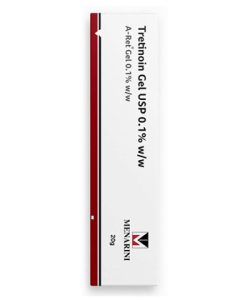
Common U.S. brand examples include Retin-A, Avita, and Atralin, and topical tubes commonly come in 20 g or 30 g sizes.
Global brand names can vary, which means packaging and labeling may look different depending on where the product was made.
In our online pharmacy, tretinoin cream is available without a prescription, with discreet delivery to United States in 5 to 14 days.
Price Comparison
When comparing prices, look at generic versus brand, tube size, and whether insurance coverage applies.
Some pharmacies price lotion, gel, and cream differently, but concentration and the vehicle matter more than the box or tube design.
| Source Type | Brand Or Generic | Practical Buying Notes |
|---|---|---|
| Retail pharmacy | Brand or generic | May accept insurance and pharmacist counseling |
| Telehealth service | Usually generic | Useful for online evaluation and prescription access |
| Online pharmacy | Brand or generic | Compare tube size, concentration, and shipping time |
What Is Inside And How It Works
Ingredients Overview
Tretinoin is the INN and the active ingredient in this prescription retinoid cream.
Topical products may come as creams, gels, or lotions, and each vehicle uses a different inactive base that changes how the skin feels.
The ATC code is D10AD01, which places it in topical retinoids used for acne treatment.
Mechanism Basics
How does tretinoin actually help skin?
It speeds skin cell turnover, helps unclog pores, and supports gradual improvement in acne and texture.
That is why tretinoin active ingredient products are often described as retinoic acid cream options, even when the label uses a brand name like Retin-A or Altreno.
| Active Ingredient | Forms | Skin Feel |
|---|---|---|
| Tretinoin | Cream, gel, lotion | Creams are usually richer; gels feel lighter; lotion spreads easily |
Main Indications
Approved Uses
The main everyday use for topical tretinoin is acne treatment.
For acne vulgaris, adults and adolescents typically apply a thin layer once daily at night to affected skin.
Some regions also approve use for photoaging and fine wrinkles, usually with 0.05% cream once daily.
That is why searches for tretinoin cream for acne and topical tretinoin photoaging treatment both point to the same family of topical retinoids, even though the exact approval can differ by region.
Off-Label Uses
Wrinkle improvement and texture refinement are common off-label or region-dependent uses.
Oral tretinoin capsules are used for acute promyelocytic leukemia, but that is a separate oncology treatment and not the same as skin use.
| Use | Route | Typical Status |
|---|---|---|
| Acne | Topical | Common approved use |
| Photoaging | Topical | Approved in some regions, off-label in others |
| APL | Oral | Oncology use under specialist care |
Interaction Warnings
Food Interactions
There are no food interaction concerns with topical tretinoin cream because it is not swallowed.
Drug Conflicts
Irritation can become a bigger issue when tretinoin is layered with other strong acne products.
- Benzoyl peroxide.
- Salicylic acid.
- Alpha hydroxy acids.
- Abrasive scrubs.
- Alcohol-heavy products.
- Multiple prescription acne products used together without clinician guidance.
These combinations are not always forbidden, but they should be planned carefully so the skin does not get overtreated.
Latest Evidence And Insights
What Research Supports
Tretinoin remains a standard topical retinoid for acne and texture concerns because it has a long history of clinical use.
When it is tolerated, dermatologists still treat it as a gold standard in topical retinoid skin therapies.
What Patients Should Know Now
The biggest factors in results are consistency, skin tolerance, and daily sunscreen use.
Newer options may be easier to tolerate, but tretinoin still serves as the benchmark many clinicians compare against.
| What Is Well Established | What Is Still Individualized |
|---|---|
| Long-standing acne benefit | Best starting strength for each skin type |
| Skin turnover support | How often to apply at the beginning |
| Need for sunscreen | Which vehicle feels best on the skin |
Alternative Choices
Similar Retinoids
Looking at Differin versus Retin-A is a common starting point when tretinoin feels too strong.
Adapalene is often easier to tolerate, while tazarotene can be stronger but more irritating.
Those differences matter when someone has sensitive skin or wants a slower ramp-up with a topical retinoid.
When Another Option May Fit Better
People with very sensitive skin may do better starting elsewhere, while severe acne may need a different plan entirely.
Oral isotretinoin is a separate prescription option for severe cases and is not interchangeable with topical tretinoin cream.
| Option | Tolerance | Typical Use |
|---|---|---|
| Adapalene | Often easier to tolerate | Acne and mild retinoid use |
| Tazarotene | More irritating for many users | Prescription topical retinoid therapy |
| Isotretinoin | Different safety profile | Severe acne under strict supervision |
Regulation Snapshot
U.S. Status
In the United States, tretinoin is FDA-approved and Rx-only for topical acne treatment and oral APL use.
Common topical brand examples include Retin-A, Avita, Atralin, and Altreno.
International Status
In Europe, tretinoin is EMA-approved, and in Romania and the wider EEA, listings may appear through ANMDMR and other national databases.
Brand names can vary by country, including Retacnyl, Acnatac, and other regional packaging.
| Region | Approval Body | Access Status |
|---|---|---|
| United States | FDA | Rx-only |
| European Union | EMA | Prescription use |
| Romania and EEA | ANMDMR and local regulators | National listings and prescription use |
Frequently Asked Questions
Common Patient Questions
How long until it works? Most people need 6 to 12 weeks before the benefit becomes clear.
Should I use moisturizer? Yes, moisturizer often helps reduce dryness and peeling.
Can I use it every night? Many people can, but sensitive skin may need a slower start.
Why is my skin peeling? Peeling is a common retinoid irritation effect, especially in the early weeks.
Quick Safety Questions
Can I use it during pregnancy? Topical tretinoin is generally contraindicated in pregnancy unless a clinician specifically directs otherwise.
What if I miss a dose? Apply when remembered unless the next dose is close, and do not double up.
What if my skin gets very irritated? Reduce frequency, pause use, and contact a clinician if the reaction is severe.
Can I use it with sunscreen? Yes, sunscreen should be used every day because photosensitivity can increase.
Guidelines For Proper Use
Step-By-Step Routine
What is the safest way to apply tretinoin cream without overdoing it?
- Cleanse the skin gently.
- Let the skin dry fully.
- Apply a pea-sized amount in a thin layer.
- Avoid eyes, lips, and nostrils.
- Moisturize if needed.
- Wash hands after application.
Less is usually more at the start, especially for first-time users.
If a topical dose is missed, apply it when remembered unless the next dose is near, and do not double up.
Storage And Follow-Up
Keep the tube below 25°C (77°F), away from light and moisture, with the cap tightly closed.
Follow up if irritation becomes severe, acne keeps worsening for a long stretch, or pregnancy is planned.
- Store below 25°C (77°F).
- Protect from light and moisture.
- Keep the cap tightly closed.
- Keep out of reach of children.
Delivery Across United States
| City | Region | Delivery time |
|---|---|---|
| New York | Northeast | 5-7 days |
| Los Angeles | West | 5-7 days |
| Chicago | Midwest | 5-7 days |
| Houston | South | 5-7 days |
| Phoenix | West | 5-7 days |
| Philadelphia | Northeast | 5-7 days |
| San Antonio | South | 5-9 days |
| San Diego | West | 5-7 days |
| Dallas | South | 5-7 days |
| San Jose | West | 5-9 days |
| Austin | South | 5-7 days |
| Jacksonville | South | 5-9 days |
| Fort Worth | South | 5-9 days |
| Columbus | Midwest | 5-9 days |