
COVID-19
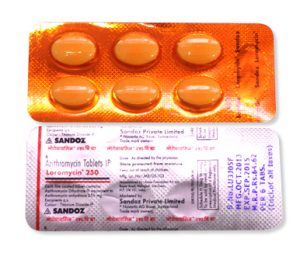
Azithromycin
from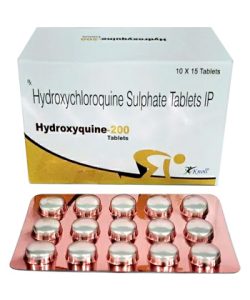
Hydroxychloroquine
from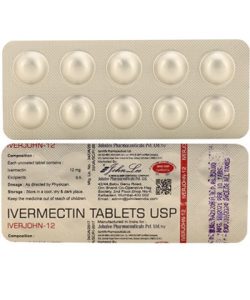
Ivermectin
from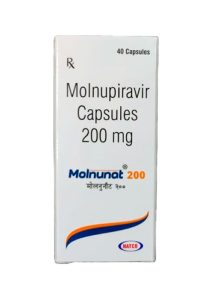
Molnunat
from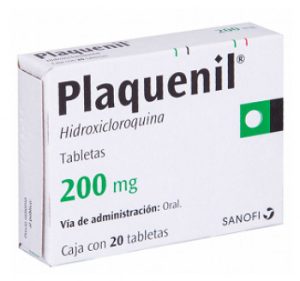
Plaquenil
from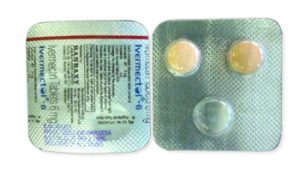
Stromectol
from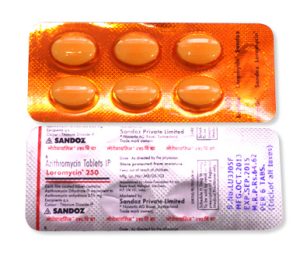
Zithromax
fromUnderstanding COVID-19: Symptoms and Testing
COVID-19 is a respiratory illness caused by the SARS-CoV-2 virus. The disease emerged in late 2019 and has since become a global health concern. Understanding the symptoms is crucial for early detection and treatment.
Common Symptoms
The most frequently reported symptoms include fever, cough, fatigue, and loss of taste or smell. Some individuals experience difficulty breathing or chest pain. Symptoms can appear 2 to 14 days after exposure to the virus. It’s important to note that some people are asymptomatic and may not show any signs of illness.
Testing Options
Several testing methods are available at pharmacies across the United States. Rapid antigen tests provide results within 15 to 30 minutes. PCR tests offer greater accuracy and are typically processed at laboratories. At-home test kits are widely available and convenient for self-testing. Throat and nasal swabs are the most common collection methods used in these tests.
When to Seek Help
Contact your healthcare provider if you experience severe symptoms including trouble breathing, persistent chest pain, or confusion. Seek immediate medical attention if symptoms worsen rapidly. Early intervention can significantly improve outcomes for vulnerable populations.
Prevention and Protection Strategies
Preventing COVID-19 transmission remains an essential aspect of public health. Multiple strategies can significantly reduce your risk of infection and protect those around you.
Vaccination Overview
Vaccines are the most effective tool for preventing severe COVID-19. Multiple vaccines are available in the United States, including Pfizer-BioNTech, Moderna, and Johnson & Johnson options. Booster shots are recommended for enhanced protection against newer variants. Pharmacists can provide information about vaccine eligibility and scheduling.
Daily Prevention Measures
Protecting yourself and others involves several practical strategies:
- Wearing masks in crowded or high-risk settings provides protection for both you and others
- Regular handwashing with soap and water for at least 20 seconds is highly effective
- Maintaining physical distance from sick individuals reduces transmission risk
- Ensuring proper ventilation in indoor spaces helps minimize airborne spread
Travel and Social Considerations
Before traveling, check current guidelines in your destination area. Consider getting tested before and after travel. Stay home when you’re sick to prevent spreading illness to others. Use disinfectant wipes on frequently touched surfaces during travel.
Over-the-Counter Medications for Symptom Relief
Many over-the-counter medications can help manage COVID-19 symptoms while your body fights the infection. These medications address specific symptoms but do not treat the virus itself.
Pain and Fever Reducers
Acetaminophen (Tylenol) and ibuprofen (Advil, Motrin) are commonly used to reduce fever and body aches. These medications can provide significant relief from discomfort. Follow package directions carefully regarding dosage and frequency. Do not exceed maximum daily limits to avoid potential complications.
Cough and Cold Remedies
Dextromethorphan (DXM) is an effective cough suppressant found in many cold medications. Guaifenesin (Mucinex) helps thin mucus and makes coughing more productive. Throat lozenges with menthol or honey can soothe irritated throats. Saline nasal drops help relieve nasal congestion safely.
Decongestants and Antihistamines
Pseudoephedrine (Sudafed) is an effective decongestant available without prescription. Phenylephrine offers an alternative decongestant option. Antihistamines like cetirizine (Zyrtec) and fexofenadine (Allegra) may help with allergy-related symptoms. These medications provide temporary relief while allowing rest and recovery.
Multi-Symptom Products
Many combination products target multiple symptoms simultaneously. DayQuil and NyQuil provide comprehensive symptom relief formulated for daytime and nighttime use. Always check labels for active ingredients to avoid doubling up on medications. Consider individual symptoms when selecting products for best results.
Prescription Antiviral Treatments
Prescription medications can reduce the severity and duration of COVID-19, particularly when started early in infection. Healthcare providers determine eligibility based on risk factors and symptom timing.
Paxlovid (Nirmatrelvir/Ritonavir)
Paxlovid is an oral antiviral combination taken for five days. It works by blocking the virus’s ability to reproduce. This medication is most effective when started within five days of symptom onset. Common side effects include altered taste, diarrhea, and headache. Eligibility requirements include being 18 years or older and having mild to moderate illness with risk factors.
Molnupiravir (Lagevrio)
Molnupiravir is an oral antiviral capsule taken twice daily for five days. It reduces hospitalization risk in people at high risk for severe disease. The medication works differently than Paxlovid by causing errors in viral replication. Side effects are generally mild and may include nausea and diarrhea. This option is available for those who cannot take Paxlovid.
Remdesivir (Veklury)
Remdesivir is an intravenous antiviral medication administered in healthcare settings. It’s typically reserved for hospitalized patients or those at extremely high risk. The medication can reduce hospitalization duration and improve outcomes. Treatment involves multiple infusions over several days under medical supervision.
Monoclonal Antibody Treatments
These synthetic antibodies can reduce severe illness risk when administered early. Several monoclonal antibody options are available, though availability varies. These treatments are given through intravenous infusion at healthcare facilities. They’re particularly useful for immunocompromised individuals.
Supplements and Supportive Care
While supplements cannot cure COVID-19, certain nutrients support immune function during recovery. Proper supportive care promotes healing and reduces symptom severity.
Vitamin and Mineral Support
Vitamin C supports immune system function and may reduce symptom duration. Zinc supplementation taken early may help reduce illness severity. Vitamin D plays an important role in immune response and overall health. Selenium supports immune function and may reduce inflammation.
Hydration and Nutrition
Drinking plenty of water helps prevent dehydration and supports recovery. Electrolyte drinks replace minerals lost through fever and illness. Nutrient-dense foods including chicken, fish, vegetables, and fruits provide essential nutrients. Bone broth offers both hydration and collagen that supports healing.
Rest and Recovery
Sleep is essential for immune system recovery and fighting infection. Adequate rest periods throughout the day help conserve energy. Stress reduction techniques support immune function. Gradual return to normal activities prevents complications and promotes complete recovery.
When to Consult a Healthcare Provider
Knowing when professional medical care is necessary ensures appropriate treatment and monitoring of COVID-19.
Contact Your Pharmacist
Pharmacists can answer questions about medication interactions and appropriate over-the-counter choices. They can provide guidance on supplement safety and effectiveness. Many pharmacies offer vaccine services and testing. Consultation about prescription eligibility helps determine if antiviral treatment is appropriate.
Contact Your Doctor
Schedule an appointment if symptoms persist beyond two weeks or worsen despite home care. Discuss any underlying conditions that might increase COVID-19 severity. Ask about prescription antiviral treatment eligibility within five days of symptom onset. Inform your doctor about all medications and supplements to prevent interactions.
Seek Emergency Care
Go to the emergency room for trouble breathing or shortness of breath. Seek immediate care for persistent chest pain or pressure. Confusion or altered mental status requires emergency evaluation. Severe weakness or inability to function warrants emergency assessment.