
Motion Sickness

Antivert
from
Dramamine
from
Meclizine
from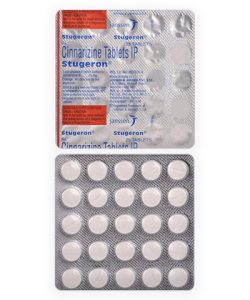
Stugeron
fromUnderstanding Motion Sickness: Causes and Symptoms
Motion sickness occurs when there is a disconnect between the movement your body feels and the movement your eyes see. This condition affects your inner ear, which controls balance and spatial orientation. When traveling by car, airplane, boat, or train, your brain receives conflicting signals about motion and position, triggering uncomfortable symptoms.
Common triggers include reading while driving, sitting in the back seat of a vehicle, rough seas, turbulent flights, and amusement park rides. Children between ages 2 and 12 are most susceptible to motion sickness, though adults can experience it as well. Some people are naturally more prone to this condition due to their inner ear sensitivity.
Typical symptoms include nausea, dizziness, vomiting, headache, and cold sweats. These symptoms usually appear gradually and can worsen over time if exposure to motion continues. Most people feel relief once the motion stops, though nausea may persist for a few hours.
Prevention Strategies and Lifestyle Tips
Prevention is often more effective than treatment when dealing with motion sickness. Several simple strategies can significantly reduce your risk of experiencing symptoms during travel. Focusing your eyes on a fixed point ahead, such as the horizon, helps your brain reconcile visual and vestibular signals.
Position yourself in areas where motion is least noticeable. In cars, sit in the front seat and avoid reading. On boats, stay on deck in the middle of the vessel where movement is minimal. In airplanes, request seats over the wings where turbulence affects passengers less intensely.
Proper preparation before travel makes a significant difference. Consider these important steps:
- Eat light meals before and during travel, avoiding greasy or heavy foods
- Stay hydrated by drinking water regularly throughout your journey
- Get adequate sleep the night before traveling, as fatigue can worsen symptoms
- Gradually acclimate yourself to motion through repeated exposure when possible
- Ensure fresh air circulation in enclosed vehicles by opening windows or adjusting ventilation
Ginger supplements, available in tablets or capsules, show promise for prevention. Peppermint aromatherapy and acupressure bands worn on the wrists also help some travelers. Fresh air circulation reduces symptoms in enclosed vehicles, so opening windows or adjusting ventilation can provide relief.
Over-the-Counter Medications Available in the United States
Several effective over-the-counter options are readily available at American pharmacies without requiring a prescription. Dramamine and Bonine are the most popular brands, containing different active ingredients suited to different needs.
Dramamine contains dimenhydrinate, which works quickly but may cause drowsiness. This medication should be taken 30 minutes before travel for maximum effectiveness. It typically provides relief for 4-6 hours. Dramamine offers various formulations including chewable tablets and liquid versions for easier consumption.
Bonine contains meclizine hydrochloride and causes less drowsiness than Dramamine, making it suitable for daytime travel when you need to remain alert. Bonine begins working within one hour and provides protection for 24 hours with a single dose. This longer duration makes it convenient for extended trips.
Cyclizine is another antihistamine option available over-the-counter under various brand names. It works similarly to dimenhydrinate and is particularly effective for sea sickness. These medications work by suppressing signals in the brain that trigger nausea and vomiting.
Ginger-based supplements like Ginger Chews and Crystallized Ginger offer natural alternatives to pharmaceutical options. While some people find them highly effective, scientific evidence for their efficacy varies. These products lack the side effects of traditional antihistamines, making them appealing to many travelers.
Sea-Bands and other acupressure wristbands provide drug-free solutions by applying consistent pressure to specific points on the wrist. These bands are reusable and work well as preventative measures when worn before travel begins.
Prescription Medications for Severe Cases
When over-the-counter options prove insufficient, healthcare providers can prescribe stronger medications for motion sickness relief. These prescription options are typically reserved for people with severe symptoms or those who don’t respond to non-prescription treatments.
Scopolamine patches represent one of the most effective prescription treatments available. These transdermal patches deliver medication through the skin and provide protection for up to three days. A single patch placed behind the ear begins working within several hours. Scopolamine is particularly popular among people taking extended cruises or ocean voyages.
Promethazine is a prescription antihistamine available in tablet or suppository form. It provides longer-lasting relief than many over-the-counter options and works well for severe nausea. Healthcare providers often recommend this medication for people with persistent symptoms during multi-day travel.
Metoclopramide works through a different mechanism than antihistamines, blocking dopamine receptors that trigger nausea. This medication is particularly useful for people experiencing motion sickness combined with digestive issues. It must be prescribed by a doctor and is not available over-the-counter.
Phenothiazines like chlorpromazine represent older medication classes still prescribed for motion sickness in certain situations. These powerful anti-nausea medications work for severe cases but carry more potential side effects than newer options, so doctors prescribe them only when other treatments fail.
Special Considerations for Different Travel Situations
Different types of travel require different approaches to motion sickness management. Air travel represents the most common trigger, affecting approximately 1 in 3 air passengers. Taking medication 30-60 minutes before boarding and sitting over the wings helps minimize symptoms during flights. Keeping eyes focused on the horizon or reading materials until the seatbelt sign is turned off helps during turbulence.
Car travel, particularly in the back seat, causes motion sickness frequently in children and some adults. Front seat positioning, avoiding reading, and maintaining focus on distant objects helps considerably. Taking breaks every two hours during long drives allows people to reset their equilibrium. Opening windows for fresh air provides additional relief.
Sea travel affects more people than any other form of travel. Staying in middle cabins, spending time on deck, and maintaining focus on the horizon reduces symptoms significantly. Taking medication preventatively several hours before boarding a boat increases effectiveness. Ginger supplements and acupressure bands prove particularly helpful for seasickness.
Train and bus travel causes less motion sickness than other transport because motion remains relatively smooth and predictable. Sitting in the direction of travel and looking out windows rather than reading helps those who do experience symptoms. Medications work well for train travel, though prevention through proper positioning often suffices.
When to Consult a Healthcare Provider
Most motion sickness responds well to over-the-counter treatments and prevention strategies, but certain situations warrant professional medical attention. Consult your doctor if motion sickness occurs in situations where motion wasn’t present previously, as this may indicate an underlying inner ear condition.
Severe vomiting that prevents medication absorption or causes dehydration requires medical evaluation. Signs of dehydration include extreme thirst, dark urine, and dizziness upon standing. Healthcare providers can administer IV fluids and stronger anti-nausea medications in clinical settings.
If over-the-counter medications produce intolerable side effects like extreme drowsiness or headaches, your doctor can recommend alternatives or prescribe options better suited to your needs. Children experiencing significant motion sickness should be evaluated by a pediatrician to determine appropriate medication dosing and safety.
People taking multiple medications should consult pharmacists or doctors before using motion sickness treatments, as interactions may occur. Pregnant women should discuss motion sickness prevention with their obstetrician before using any medication.
Travel anxiety sometimes mimics or worsens motion sickness symptoms. A healthcare provider can distinguish between conditions and recommend appropriate treatment. Pre-travel consultations with medical professionals ensure you have personalized strategies for your specific travel plans and health situation.