Rocaltrol
In brief
- Rocaltrol is a prescription medicine in most countries and normally requires a prescription from a doctor; however, availability varies by jurisdiction and some local pharmacies or online vendors may offer Rocaltrol without a prescription—legality and delivery options depend on local regulations.
- Rocaltrol (calcitriol) is used to treat and prevent hypocalcemia, secondary hyperparathyroidism from chronic kidney disease, renal osteodystrophy, and hypoparathyroidism; it is the active form of vitamin D3 that increases intestinal calcium and phosphate absorption, promotes bone mineralization and influences parathyroid hormone levels.
- Typical adult starting doses are 0.25 mcg once daily (often titrated by 0.25 mcg every 2–4 weeks); maintenance and maximum doses commonly range up to 1–2 mcg/day depending on response and calcium levels; pediatric dosing is weight-based (about 0.01–0.02 mcg/kg/day).
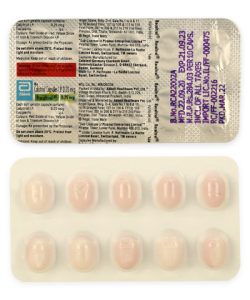
- Administered orally as capsules (0.25 mcg, 0.5 mcg) or oral solution (1 mcg/mL); parenteral (IV) ampoules (1 mcg/mL) are used in some hospital settings; topical formulations exist for psoriasis in select regions.
- Pharmacodynamic effects on intestinal calcium absorption begin within hours; measurable increases in serum calcium are typically seen within 24–48 hours after dosing adjustments.
- Calcitriol has a relatively short plasma half-life (typically several hours, often cited ~5–8 hours), but dosing is usually once daily and therapeutic effects are maintained with ongoing daily administration; duration of clinically relevant effect depends on dosing and patient response.
- Avoid excessive alcohol intake; while moderate alcohol is not an absolute contraindication, alcohol can affect bone and calcium metabolism and may increase the risk of adverse effects—use caution and discuss alcohol use with your prescriber.
- The most common side effects are related to hypercalcemia: nausea, vomiting, constipation, muscle weakness and headache (hypercalcemia symptoms are the primary concern and should prompt medical review).
- Would you like to try “rocaltrol” without a prescription?
Basic Rocaltrol Information
- INN (International Nonproprietary Name): Calcitriol
- Brand Names Available In United States: Rocaltrol (capsules 0.25 mcg, 0.5 mcg; oral solution 1 mcg/mL); generics labeled as calcitriol are also available.
- ATC Code: A11CC04
- Forms & Dosages: Capsules 0.25 mcg and 0.5 mcg; oral solution 1 mcg/mL (dropper bottle, typically 15 or 30 mL); injectable 1 mcg/mL in single-use ampoules in some markets; topical formulations for psoriasis in select regions.
- Manufacturers In United States: Originator Hoffmann‑La Roche (Rocaltrol) and multiple generic manufacturers (examples globally include Teva, Sandoz, Amneal).
- Registration Status In United States: FDA-approved prescription medicine (Rx).
- OTC / Rx Classification: Prescription only medicine (Rx) in the United States.
Everyday Use & Best Practices
Morning Vs Evening Dosing
Patients often ask whether to take Rocaltrol in the morning or evening.
Taking calcitriol at the same time every day is the best practice to maintain steady levels.
Many clinicians start with a morning dose to align calcitriol with other daily medications and lab schedules.
Evening dosing is acceptable when it improves adherence or fits daily routines better.
Avoid taking Rocaltrol right before bedtime if prior doses caused nausea or gastrointestinal upset.
If a patient reports morning nausea after a dose, switching to an early afternoon or evening dose may help adherence.
Consistency matters more than exact clock time; set the dose time and stick with it.
When titrating, coordinate dose changes with bloodwork timing to avoid confusion about when labs reflect a new dose.
Use a single daily reminder rather than inconsistent timings to reduce missed doses.
Taking With Or Without Meals
Calcitriol can be taken with or without food according to patient preference.
Rocaltrol capsules and the oral solution are light-sensitive and should be stored and handled per label instructions.
If persistent GI side effects occur, taking calcitriol with a light meal often reduces nausea or metallic taste.
For the oral solution, use the provided dropper and measure 1 mcg/mL as prescribed; do not mix into hot beverages because heat may affect dosing accuracy.
For patients using the dropper bottle, measure over a sink or on a table to avoid spills and to ensure an accurate dose.
Practical Tips & Daily-Life Integration
Set a phone alarm or link the dose to an established habit, like breakfast, for better adherence.
Keep calcitriol next to other morning medications if your prescriber ordered a morning schedule.
Track serum calcium and lab dates in a medication journal so labs align with dosing changes.
Use a simple checklist to set up reminders: phone alarm, pillbox, calendar lab reminders, and symptom notes.
| Form | Handling Tip |
|---|---|
| Rocaltrol Capsule 0.25 mcg / 0.5 mcg | Store in original blister/bottle; protect from light. |
| Calcitriol Oral Solution 1 mcg/mL | Use dropper; measure carefully; do not freeze or expose to sunlight. |
Safety Priorities
Who Should Avoid It
Anyone with known hypercalcemia must not take calcitriol because it can worsen high calcium levels.
Vitamin D toxicity or a documented hypersensitivity to calcitriol or any excipient is an absolute contraindication.
Because calcitriol raises calcium absorption, people with granulomatous diseases like sarcoidosis or certain malignancies should have specialist review before starting.
Do not self-initiate calcitriol; the medication is prescription-only and requires baseline testing and physician supervision.
Patients with severe cardiac disease or arrhythmia risk should have careful assessment, especially if taking digitalis compounds.
Activities To Limit
If symptoms of hypercalcemia develop — such as nausea, vomiting, constipation, muscle weakness, or headache — avoid strenuous exercise and driving until medically assessed.
Patients on digitalis should inform prescribers because hypercalcemia increases the risk of arrhythmia with digitalis therapy.
A checklist for when to call the provider: persistent vomiting, severe weakness, confusion, palpitations, or lab-confirmed elevated serum calcium.
| Contraindication | Monitoring Frequency |
|---|---|
| Hypercalcemia | Do not start; immediate review if suspected |
| Hypersensitivity | Avoid use; allergy workup as needed |
| High-risk conditions (sarcoidosis, malignancy) | Baseline and closer interval labs; specialist input |
Dosage & Adjustments
General Regimen
The typical adult starting dose for chronic renal failure or hypoparathyroidism is 0.25 mcg once daily.
Dose increases are usually by 0.25 mcg increments every 2–4 weeks guided by serum calcium and phosphate levels.
Maintenance dosing commonly ranges up to 1–2 mcg per day depending on laboratory response and clinical need.
Because calcitriol is the active form of vitamin D, its effects show up in calcium labs fairly predictably, which helps titration.
Document the exact brand and formulation on each prescription because packaging and excipients vary between brand and generic forms.
Special Cases
Pediatric dosing is weight-based, typically 0.01–0.02 mcg/kg/day, and requires close lab-guided adjustments.
Elderly patients should start at the lower end of the dosing range and undergo closer monitoring due to higher hypercalcemia risk.
In renal impairment no routine dose reduction is required because calcitriol bypasses renal activation and is indicated for chronic kidney disease.
For severe hepatic impairment use caution and seek specialist input, as data are limited for routine adjustment.
| Situation | Starting Dose | Titration Interval |
|---|---|---|
| Adult CKD / Hypoparathyroidism | 0.25 mcg daily | Increase 0.25 mcg every 2–4 weeks |
| Pediatrics | 0.01–0.02 mcg/kg/day | Lab-guided adjustments |
| Elderly | Start low (0.25 mcg) | Monitor closely |
User Testimonials
Positive Reports
Many patients report reduced muscle cramps and fewer episodes of paresthesia after calcitriol doses are optimized.
Dialysis patients with secondary hyperparathyroidism often describe improved bone-related discomfort when calcitriol is part of their regimen.
Patients commonly notice improved energy and fewer neuromuscular symptoms once serum calcium stabilizes on calcitriol therapy.
A practical example: a middle-aged dialysis patient noted decreased leg cramps and more restful sleep after their nephrologist adjusted Rocaltrol to the right maintenance dose.
Common Challenges
Frequent blood tests during titration are a common frustration among patients starting calcitriol.
GI side effects such as nausea or a metallic taste are reported and sometimes prompt timing or meal adjustments.
Anxiety about hypercalcemia warnings is common; clear lab targets and a symptom diary usually ease concerns.
Some users find small capsules or dropper dosing fiddly; pharmacists can suggest alternatives or swallowing aids when appropriate.
- Positive Effects: fewer cramps, less paresthesia, improved energy, better bone pain control in some dialysis patients.
- Challenges: frequent labs, occasional GI upset, worry about hypercalcemia, dosing fiddliness with the oral solution.
Before appointments, patients are advised to keep a short symptom-and-lab diary noting dose changes, lab dates, and any new supplements or medications.
Buying Guide
Pharmacy Sources
Rocaltrol (brand) and generic calcitriol are prescription-only products in the United States as listed in regulatory sources.
Available dosage forms in the U.S. include capsules (0.25 mcg and 0.5 mcg) and an oral solution at 1 mcg/mL with dropper bottles.
Hoffmann‑La Roche is the originator of Rocaltrol, and several manufacturers supply generics in the U.S. market.
Hospital settings may use injectable calcitriol products under different trade names in some markets.
Price Comparison
Prices vary by brand, insurance coverage, pharmacy type, and whether the product is branded or generic.
Shop around: compare retail chains, independent pharmacies, mail-order, and specialty pharmacies for best pricing on calcitriol capsules or oral solution.
Check manufacturer savings programs or coupons for branded Rocaltrol and discuss generic alternatives with the prescriber if cost is an issue.
In our online pharmacy, rocaltrol is available without a prescription, with discreet delivery to United States in 5-14 days.
| Form | Typical Package | Price Drivers |
|---|---|---|
| Capsules 0.25 mcg / 0.5 mcg | Bottles or blisters | Brand vs generic, insurance coverage |
| Oral Solution 1 mcg/mL | 15 or 30 mL dropper bottle | Packaging, availability, manufacturer |
- Questions To Ask Your Pharmacist: coverage details, prior authorization requirements, storage instructions, and generic availability.
What’s Inside & How It Works
Ingredients Overview
The active ingredient in Rocaltrol is calcitriol, also named 1,25-dihydroxyvitamin D3.
Excipients vary by manufacturer and formulation and can include capsule fillers or solution preservatives; packaging and exact excipients appear on labeling.
Topical calcitriol products exist in some regions for psoriasis and are not interchangeable with systemic forms.
Mechanism Basics
Calcitriol increases intestinal absorption of calcium and phosphate and modulates bone resorption and parathyroid hormone (PTH) secretion.
In chronic kidney disease and hypoparathyroidism, calcitriol corrects hypocalcemia and helps control secondary hyperparathyroidism.
Because calcitriol is the hormonally active form of vitamin D, it works without renal activation — a key advantage for patients with renal impairment.
| Item | Summary |
|---|---|
| Active Ingredient | Calcitriol (1,25-dihydroxyvitamin D3) |
| Common Excipients | Capsule fillers, solution preservatives (varies by manufacturer) |
| Mechanism | Increases intestinal calcium/phosphate absorption; modulates PTH and bone resorption |
Main Indications
Approved Uses
Rocaltrol (calcitriol) is approved for treatment and prevention of hypocalcemia in situations where active vitamin D is required.
It is indicated for management of secondary hyperparathyroidism in chronic kidney disease and dialysis patients and for renal osteodystrophy.
Calcitriol is also approved for hypoparathyroidism, including post-surgical and idiopathic forms.
Off-Label Uses
Clinicians may use calcitriol when rapid active vitamin D is required or when patients cannot convert native vitamin D due to impaired 1-alpha hydroxylation.
Topical calcitriol formulations are used for psoriasis in some regions, but topical products are not substitutes for systemic therapy.
| Condition | Starting Dose Range |
|---|---|
| Hypocalcemia / Hypoparathyroidism | 0.25 mcg daily, titrate |
| Secondary Hyperparathyroidism (CKD) | 0.25 mcg daily, titrate per PTH and calcium |
Interaction Warnings
Food Interactions
No major food interactions are documented with calcitriol, and taking it with food can reduce gastrointestinal upset.
Avoid sudden large increases in dietary calcium or starting calcium-containing antacids or supplements without checking labs because combined intake increases hypercalcemia risk.
Drug Conflicts
Important interactions include thiazide diuretics, which can increase the risk of hypercalcemia when used with calcitriol.
Digitalis glycosides are a concern because hypercalcemia may precipitate arrhythmias; inform prescribers if on digitalis.
Concurrent use of other active vitamin D analogs should be avoided unless coordinated by a specialist.
| Drug/Class | Recommended Precaution |
|---|---|
| Thiazide Diuretics | Monitor serum calcium closely; consider dose adjustments |
| Digitalis Glycosides | Inform prescriber; monitor cardiac status if hypercalcemia suspected |
| Calcium Supplements/Antacids | Avoid unsupervised increases; watch labs |
Latest Evidence & Insights
Calcitriol remains a standard active vitamin D therapy for hypocalcemia and secondary hyperparathyroidism because it bypasses renal activation.
Comparative studies have investigated paricalcitol and doxercalciferol for PTH control with differing safety profiles, especially regarding hypercalcemia risk.
Native vitamin D (cholecalciferol or ergocalciferol) is not suitable when renal 1-alpha hydroxylation is impaired.
Recent clinical practice emphasizes individualized dosing, close calcium and phosphate monitoring, and minimizing hypercalcemia during PTH management.
| Drug | Quick Compare |
|---|---|
| Calcitriol | Active form; effective in CKD; hypercalcemia risk requires monitoring |
Alternative Choices
Consider alternatives when recurrent hypercalcemia, intolerance, or formulary restrictions occur.
Alternatives include alfacalcidol (a prodrug requiring hepatic activation), paricalcitol, and doxercalciferol, each with different PTH-lowering and hypercalcemia profiles.
For simple vitamin D deficiency when renal activation is intact, native vitamin D (cholecalciferol or ergocalciferol) may be preferable.
Topical calcitriol exists for psoriasis but does not replace systemic calcitriol for hypocalcemia or CKD-related indications.
| Drug | Route | Use Case | Hypercalcemia Risk |
|---|---|---|---|
| Alfacalcidol | Oral | Alternative active vitamin D prodrug | Variable; requires monitoring |
| Paricalcitol | Oral/IV | PTH control with different safety profile | May have lower hypercalcemia in some settings |
| Cholecalciferol | Oral | Deficiency states when activation intact | Lower immediate hypercalcemia risk |
- Checklist For Switching: consult specialist, cross-titrate using labs, monitor calcium/phosphate closely during transition.
Regulation Snapshot
Rocaltrol (calcitriol) is prescription-only and FDA-approved in the United States.
The product is also authorized by EMA/national authorities in the EU, and injectable forms are marketed under different names such as Calcijex in some countries.
Hoffmann‑La Roche is the originator, and multiple generics are available worldwide.
For U.S. patients, prescriptions are required and coverage varies across insurance plans; prior authorization may be necessary for branded formulations.
Clinicians and pharmacists should verify local product availability, packaging (capsules 0.25/0.5 mcg; oral solution 1 mcg/mL), and substitution rules for generics.
Brand and generic forms may differ in excipients or packaging but are considered bioequivalent for clinical use.
FAQ Section
Common Patient Questions
Q: Can I take calcium supplements while on calcitriol?
A: Only under clinician guidance because increased calcium intake can raise hypercalcemia risk; coordinate supplements with lab monitoring.
Q: What if I miss a dose?
A: Take the missed dose as soon as you remember unless the next dose is imminent; do not double up to make up for a missed dose.
Quick Answers For Urgent Concerns
If severe vomiting, weakness, confusion, or cardiac symptoms occur, seek immediate medical attention as these may signal serious hypercalcemia.
For minor side effects like mild nausea or constipation, discuss symptomatic measures and possible timing changes with the prescriber or pharmacist.
- Emergency Signs Checklist: persistent vomiting, marked weakness, chest pain, confusion, palpitations — go to emergency care.
- Routine Care Tips: keep an up-to-date medication list, schedule labs as instructed, and bring medication packaging to appointments.
Guidelines For Proper Use
Daily Management Checklist
Before starting calcitriol confirm baseline serum calcium, phosphate, and renal function.
During initiation, obtain labs every 2–4 weeks while titrating doses and more frequently if symptoms develop.
Once stable, the clinician may extend monitoring intervals based on individual risk and lab stability.
Always document the dose, formulation, and batch/brand in your medical record or medication journal.
Storage, Transport, And Disposal
Store calcitriol at room temperature, typically 15–25°C, and protect it from light and moisture.
Do not freeze the oral solution; keep all formulations in their original packaging until use.
Dispose of expired or unused medications per local guidelines and community take-back programs where available.
| Item | Guideline |
|---|---|
| Storage Temperature | 15–25°C; protect from light |
| Packaging | Capsules in blister/bottle; oral solution in dropper bottle |
| Disposal | Follow local regulations; use pharmacy take-back when possible |
Delivery Across United States
| City | Region | Delivery Time |
|---|---|---|
| New York | New York | 5-7 days |
| Los Angeles | California | 5-7 days |
| Chicago | Illinois | 5-7 days |
| Houston | Texas | 5-7 days |
| Phoenix | Arizona | 5-7 days |
| Philadelphia | Pennsylvania | 5-7 days |
| San Antonio | Texas | 5-7 days |
| San Diego | California | 5-7 days |
| Jacksonville | Florida | 5-9 days |
| Columbus | Ohio | 5-9 days |
| Charlotte | North Carolina | 5-9 days |
| Indianapolis | Indiana | 5-9 days |
| Fort Worth | Texas | 5-9 days |
| Orlando | Florida | 5-9 days |