
Hypertension
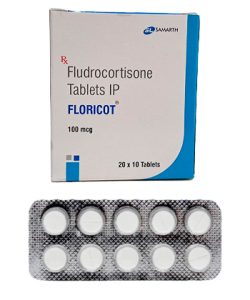
Florinef
from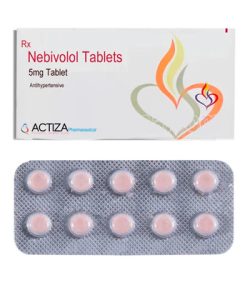
Bystolic
from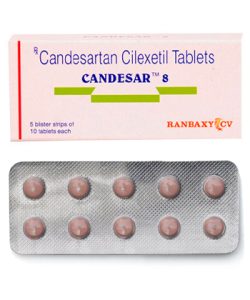
Atacand
from
Amiloride
from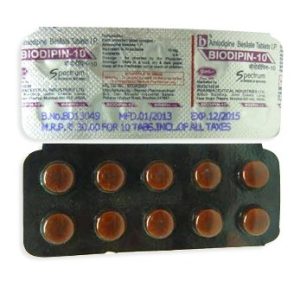
Amlodipine
from
Telmisartan
from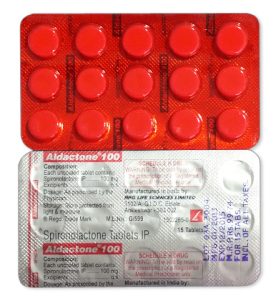
Spironolactone
from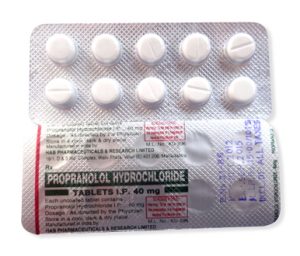
Propranolol
from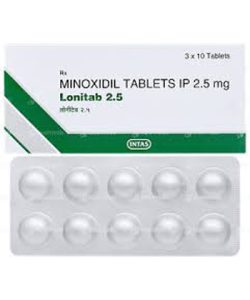
Minoxidil
from
Irbesartan
from
Hydrochlorothiazide
from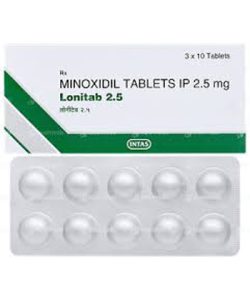
Loniten
from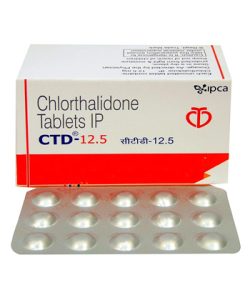
Hygroton
from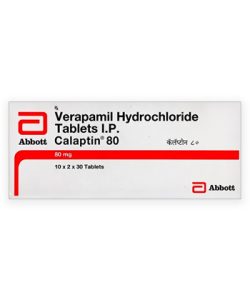
Verampil
from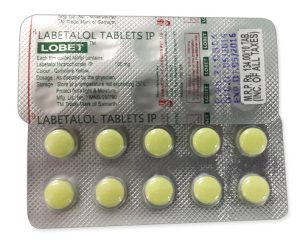
Trandate
from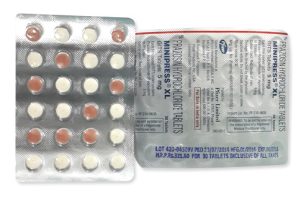
Minipress
fromUnderstanding Hypertension
Hypertension, commonly known as high blood pressure, occurs when the force of blood pushing against artery walls is consistently too high. Blood pressure is measured in two numbers: systolic pressure (the top number) and diastolic pressure (the bottom number). A reading of 130/80 mm Hg or higher is generally considered high blood pressure. This condition affects millions of Americans and is often called the “silent killer” because many people have it without knowing. Left untreated, hypertension can lead to serious health complications including heart disease, stroke, kidney problems, and vision loss. The condition develops gradually over time and can result from various factors including genetics, age, obesity, sedentary lifestyle, excessive salt intake, and chronic stress. Understanding your blood pressure numbers and risk factors is the first step toward managing this common but serious condition effectively.
Types and Causes of High Blood Pressure
Primary and Secondary Hypertension
Primary Hypertension is the most common type, accounting for about 90 percent of cases in adults. This type develops gradually over many years without an identifiable secondary cause. It’s influenced by genetics, lifestyle choices, and environmental factors that compound over time. Secondary Hypertension results from an underlying medical condition such as kidney disease, thyroid problems, sleep apnea, or adrenal gland tumors. This type typically appears suddenly and causes higher blood pressure readings than primary hypertension.
Contributing Factors
Several lifestyle and medical factors contribute to hypertension development. Excessive sodium consumption causes the body to retain fluid and increase blood pressure. Age plays a significant role, as blood vessels become stiffer with time. Obesity increases the workload on the heart and blood vessels, making blood pressure regulation more difficult. Physical inactivity weakens the cardiovascular system’s ability to regulate pressure effectively. Alcohol consumption, particularly when excessive, can raise blood pressure significantly. Additionally, chronic stress triggers hormonal changes that elevate blood pressure. Certain medical conditions like diabetes and kidney disease increase hypertension risk considerably.
Symptoms and Health Risks
Recognizing Symptoms
Most people with hypertension experience no symptoms, which is why regular blood pressure monitoring is crucial. Some individuals with severely elevated blood pressure may experience headaches, shortness of breath, nosebleaks, or chest discomfort, though these symptoms aren’t specific to high blood pressure alone.
Major Health Complications
Untreated hypertension leads to serious health complications affecting multiple organ systems. The following conditions can develop from prolonged high blood pressure:
- Heart disease, which occurs as the heart must work harder to pump against increased resistance
- Stroke risk increases significantly because high pressure can damage blood vessel walls in the brain
- Kidney disease develops when hypertension damages the delicate blood vessels in the kidneys, reducing their filtering ability
- Heart failure can result from the heart becoming weakened over time from excessive workload
- Peripheral artery disease occurs when narrow arteries limit blood flow to limbs
- Vision problems and blindness can develop from damage to blood vessels in the eyes
Regular monitoring and treatment prevent these serious complications from developing and protect your long-term health.
Blood Pressure Medications Available in the United States
ACE Inhibitors
ACE Inhibitors work by relaxing blood vessels and reducing the workload on the heart. Common medications in this class include Lisinopril, Enalapril, and Ramipril. They’re particularly beneficial for patients with diabetes or heart disease.
Angiotensin II Receptor Blockers (ARBs)
ARBs function similarly to ACE inhibitors but work through a different mechanism. Popular options include Losartan, Valsartan, and Olmesartan. They’re well-tolerated with minimal side effects for most patients.
Beta-Blockers
Beta-Blockers reduce heart rate and the heart’s workload. Common medications include Metoprolol, Atenolol, and Propranolol. These are often prescribed for patients with existing heart conditions or previous heart attacks.
Calcium Channel Blockers
Calcium Channel Blockers prevent calcium from entering heart and blood vessel cells, causing relaxation. Medications like Amlodipine, Diltiazem, and Verapamil are widely prescribed and generally well-tolerated.
Diuretics
Diuretics, often called water pills, help the body eliminate excess sodium and fluid through urine. Hydrochlorothiazide and Furosemide are commonly prescribed options that effectively lower blood pressure.
Direct Renin Inhibitors
Direct Renin Inhibitors are newer medications like Aliskiren that work by blocking renin, an enzyme involved in blood pressure regulation. Many patients require combination therapy using two or more medications from different classes to achieve optimal blood pressure control. Your healthcare provider will determine the most appropriate treatment based on your individual health profile, other medical conditions, and medication tolerance.
Lifestyle Changes and Prevention
Dietary Modifications
Dietary modifications play a crucial role in managing hypertension. The DASH (Dietary Approaches to Stop Hypertension) diet emphasizes fruits, vegetables, whole grains, lean proteins, and low-fat dairy products while limiting sodium intake to less than 2,300 milligrams daily. Reducing sodium consumption can lower blood pressure by up to 8 mm Hg in some individuals.
Regular Physical Activity
Regular physical activity strengthens the cardiovascular system and helps maintain healthy weight. The American Heart Association recommends at least 150 minutes of moderate-intensity aerobic exercise weekly. Activities like brisk walking, swimming, cycling, and jogging are excellent options for improving heart health.
Weight Management
Weight management is essential since obesity significantly increases blood pressure. Losing even five to ten percent of body weight can produce meaningful blood pressure reductions and improve overall cardiovascular health.
Stress Reduction
Stress reduction techniques including meditation, deep breathing exercises, yoga, and progressive muscle relaxation help lower blood pressure. Managing stress through hobbies, social connections, and adequate sleep also contributes significantly to blood pressure control.
Limiting Alcohol and Quitting Smoking
Limiting alcohol consumption is important, as excessive drinking raises blood pressure. Men should limit intake to two drinks daily, while women should have no more than one drink daily. Quitting smoking improves cardiovascular health dramatically, as smoking damages blood vessels and increases heart disease risk, complementing the effects of hypertension.
Managing and Monitoring Your Condition
Monitoring and Treatment Success
Regular blood pressure monitoring at home allows you to track your readings and detect changes early. Home monitors provide valuable information for your healthcare provider and help you stay engaged in your treatment. Medication adherence is critical for controlling hypertension effectively, as taking prescribed medications exactly as directed ensures consistent blood pressure management and prevents complications.
Healthcare and Follow-Up Care
Regular healthcare visits enable your doctor to monitor your blood pressure, assess medication effectiveness, and adjust treatment as needed. Most hypertensive patients require appointments every three to six months. Lab tests including kidney function tests, cholesterol screening, and glucose testing help evaluate overall cardiovascular health and identify related conditions requiring treatment.
Record Keeping and Patient Education
Keeping records of blood pressure readings, medications taken, lifestyle changes, and any symptoms helps you and your healthcare provider identify patterns and optimize your treatment plan. Patient education about your condition empowers you to make informed decisions about your health. Understanding how your medications work, recognizing warning signs, and knowing when to seek emergency care are essential components of successful hypertension management. Working closely with your healthcare team ensures you receive personalized care that addresses your unique needs and health goals.